June 2026 in “UNC Libraries” Pulsed electric field treatment may help shrink untreated liver tumors.
 March 2026 in “SHILAP Revista de lepidopterología”
 Rituximab may cause skin issues, but baricitinib can help improve them.
March 2026 in “The Journal of Dermatology” Ritlecitinib is cost-effective for severe alopecia areata in Japan.
6 citations
,
December 2021 in “Journal of Cancer Research and Therapeutics” The treatment improved survival and controlled cancer spread but required managing side effects like rashes.
May 2018 in “Dermatologic Surgery”  1 citations
,
January 2024 in “Curēus”
1 citations
,
January 2024 in “Curēus” Upadacitinib significantly improved a man's severe scalp condition when other treatments failed.
 September 2024 in “Skin Appendage Disorders”
 Tofacitinib helped a woman regrow her hair without relapses after other treatments failed.
October 2023 in “The Open Dermatology Journal” Baricitinib is effective for severe alopecia areata with manageable side effects, mainly upper respiratory infections.
Flubendazole in a nanoemulsion can potentially treat lung cancer and cryptococcal meningitis effectively and safely.
August 2024 in “JAAD Case Reports” Upadacitinib successfully regrew hair in a child with alopecia universalis and specific genetic mutations.
 67 citations
,
October 2005 in “Annals of Oncology”
67 citations
,
October 2005 in “Annals of Oncology” Fulvestrant is a well-tolerated new treatment for advanced breast cancer that may delay chemotherapy.
May 2024 in “Reactions weekly”  5 citations
,
June 2001 in “Annals of Internal Medicine”
5 citations
,
June 2001 in “Annals of Internal Medicine” Rituximab effectively treated a woman's bone lymphoma that was resistant to other treatments.
March 2021 in “Arrow - TU Dublin (Technological University Dublin)” The folate-cyclodextrin conjugate targets cancer cells more precisely, potentially reducing chemotherapy side effects.
 3 citations
,
May 2023 in “Clinical drug investigation”
3 citations
,
May 2023 in “Clinical drug investigation” JAK inhibitors for alopecia areata are linked to minor side effects like headache and acne, but not to an increased risk of serious adverse events.
 88 citations
,
July 2014 in “Journal of the American Academy of Dermatology”
88 citations
,
July 2014 in “Journal of the American Academy of Dermatology” Targeted cancer therapies often cause skin reactions, so dermatologists must manage these effects.
 February 2024 in “Journal of the European Academy of Dermatology and Venereology”
 Baricitinib is effective and safe for long-term use in severe alopecia areata, improving hair regrowth and quality of life with few side effects.
 April 2025 in “JAAD Case Reports”
 Topical ruxolitinib and oral minoxidil together can regrow hair in certain types of hair loss.
 4 citations
,
September 2024 in “BMC Cancer”
4 citations
,
September 2024 in “BMC Cancer” Adding dutasteride to therapy may improve treatment for advanced salivary duct cancer.
 1 citations
,
May 2025 in “The Journal of Rheumatology”
1 citations
,
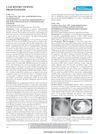
May 2025 in “The Journal of Rheumatology” Careful monitoring is crucial to prevent JC virus reactivation in lupus patients treated with rituximab.
1 citations
,
October 2025 in “International Journal of Dermatology” Ritlecitinib improves emotional well-being and activity levels in alopecia areata patients.
8 citations
,
May 2025 in “Pharmaceuticals” In 2024, the FDA approved 27 innovative small-molecule drugs, with many offering significant treatment improvements.
 January 2021 in “Social Science Research Network”
 The new treatment using tiny lipid carriers to deliver minoxidil and latanoprost directly to hair follicles shows promise for alopecia.
 August 2018 in “Journal of Investigative Dermatology”
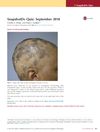
 Tofacitinib may help regrow hair in alopecia areata patients.
1 citations
,
December 2023 in “Molecules/Molecules online/Molecules annual” JAK inhibitors show promise for treating various skin diseases.
2 citations
,
December 2013 in “Cancer research” Enobosarm may effectively treat androgen receptor-positive breast cancer with fewer side effects.
Ruxolitinib cream shows promise for vitiligo, and early melanoma diagnosis is crucial.
15 citations
,
May 2006 in “Brain & development” Valproic acid may cause hair loss by reducing biotinidase enzyme activity in rats.
 September 2022 in “XXXIX Congresso Brasileiro de Reumatologia”
 Tofacitinib may effectively treat skin symptoms in difficult cases of dermatomyositis.
 18 citations
,
July 2008 in “Current Oncology Reports”
18 citations
,
July 2008 in “Current Oncology Reports” EGFR cancer drugs often cause a rash, which can lead to distress and isolation, but may also improve outcomes for some cancer patients. Current treatments for the rash are limited, but a compound called menadione shows promise.