6 citations
,
January 2000 in “The Journal of Trace Elements in Experimental Medicine” Zinc supplements effectively treat acrodermatitis enteropathica.
 May 2023 in “Sučasna pedìatrìâ. Ukraïna”
 An 11-year-old child with total hair loss may have a genetic autoimmune disease, and the outlook for hair regrowth is not good.
14 citations
,
December 2017 in “Journal of Intensive Care” Lithium poisoning can cause severe health complications and requires careful monitoring.
 January 2023 in “International journal of dermatology, venereology and leprosy sciences”
 People with alopecia areata have different blood markers that suggest inflammation and immune system issues compared to healthy individuals.
400 citations
,
October 1995 in “Journal of clinical oncology” Docetaxel is effective against various cancers but mainly causes neutropenia.
Alopecia areata is more common in males, often appears as patchy hair loss, and is strongly linked to anemia.
 2 citations
,
August 1994 in “Archives of dermatology”
2 citations
,
August 1994 in “Archives of dermatology” A 19-month-old boy with a rare hair disorder showed mild improvement with treatment, but his family chose gentle hair care due to limited success.
 1 citations
,
August 1978 in “Dicp-The annals of pharmacotherapy”
1 citations
,
August 1978 in “Dicp-The annals of pharmacotherapy” A liquid protein diet caused hair loss in a young woman.
 June 2021 in “Asian Journal of Medical Sciences”
 Vitamin B12 deficiency can cause reversible skin darkening.
 April 2021 in “MEDICINUS”
 Acrodermatitis enteropathica can occur even with normal zinc levels, and zinc supplements can improve symptoms.
 June 2022 in “Journal of the Liaquat University of Medical and Health Sciences”
 People with lichen planus are more likely to have abnormal blood fats than healthy people.
1 citations
,
October 2024 in “Journal of the Endocrine Society” Bevacizumab may worsen hypothyroidism, so thyroid function should be monitored during treatment.
2 citations
,
January 2021 in “The Scientific Journal of Al-Azhar Medical Faculty Girls” Alopecia areata patients have higher osteopontin levels and more eye changes, but their vision remains unaffected.
64 citations
,
August 1977 in “PubMed” Skin changes help detect graft-versus-host reaction early after bone marrow transplants.
 21 citations
,
August 1960 in “British journal of dermatology/British journal of dermatology, Supplement”
21 citations
,
August 1960 in “British journal of dermatology/British journal of dermatology, Supplement” Endoxan often causes hair loss, which usually starts in the third week of treatment.
33 citations
,
June 2021 in “Dermatologic Therapy” COVID-19 vaccines can trigger autoimmune flares but are still beneficial for patients with autoimmune conditions.
4 citations
,
August 2005 in “Clinical Infectious Diseases” The man's symptoms improved after treating his scurvy with high-dose vitamin C.
July 2004 in “Journal of Clinical Oncology” Isolated limb perfusion is a safe and effective treatment for limb melanoma.
 May 2025 in “Life Studies”
 Lung cancer patients on immunotherapy and chemotherapy often experience severe fatigue, drowsiness, and appetite loss.
January 2011 in “National Medical Frontiers of China” Elderly SLE patients show fewer typical symptoms and more hormonal side effects.
 May 2019 in “Small Animal Dermatology”
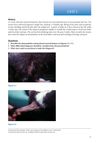
 The cat had a rare condition linked to cancer, leading to its euthanasia.
April 2025 in “Cancer Research” Certain blood markers can help predict and manage chemotherapy side effects in older cancer patients.
December 2013 in “American journal of transplantation” The patient improved after antiviral treatment for a viral infection.

Enemas can cause septicemia in elderly men with prostate infections.
8 citations
,
December 2007 in “Journal of Thoracic Oncology” Erlotinib can cause significant but temporary hair loss in lung cancer patients.

Erythropoietin overexpression disrupts hair growth and fat formation in mice.
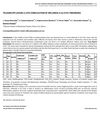
Hair loss can happen after severe H1N1 flu but usually grows back in 4 months.
1 citations
,
March 2024 in “International journal of molecular sciences” Radiation therapy damages skin structure and immune function, causing inflammation and potential hair loss.
3 citations
,
October 2024 in “Cancers” Skin side effects from melanoma immunotherapy are common and may indicate better survival.
September 2008 in “Pediatric Rheumatology” Two children with lysinuric protein intolerance showed symptoms similar to lupus.