 2 citations
,
April 2017 in “Actas Dermo-Sifiliográficas”
2 citations
,
April 2017 in “Actas Dermo-Sifiliográficas” Best treatment for Frontal Fibrosing Alopecia is 5-alpha-reductase inhibitors and intralesional corticosteroids.
 31 citations
,
October 2010 in “Progress in lipid research”
31 citations
,
October 2010 in “Progress in lipid research” LPA3 is crucial for embryo implantation and links LPA to prostaglandin signaling.
 43 citations
,
April 2017 in “Experimental Dermatology”
43 citations
,
April 2017 in “Experimental Dermatology” Female pattern hair loss has unclear causes, possibly involving genetics, hormones, and environment, and needs better treatments.
 April 2018 in “The journal of investigative dermatology/Journal of investigative dermatology”
 Li2CO3 improved skin disease in a mouse model of Focal Dermal Hypoplasia without toxicity.
October 2013 in “CRC Press eBooks” Low-level light therapy is used in cosmetics and dermatology to repair skin, reduce inflammation, and treat various skin conditions.
 5 citations
,
January 2017 in “Skin appendage disorders”
5 citations
,
January 2017 in “Skin appendage disorders” A man developed an allergic skin reaction from a therapy cap used for hair loss treatment.
April 2025 in “International Journal of Dermatology” Renaming frontal fibrosing alopecia to a syndrome could improve diagnosis and treatment.
 August 2016 in “Journal of the Portuguese Society of Dermatology and Venereology”
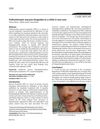
 Two women with darker skin had both frontal hair thinning and skin discoloration.
 1 citations
,
October 2023 in “Journal of the Pakistan Medical Association”
1 citations
,
October 2023 in “Journal of the Pakistan Medical Association” Folliculotropic mycosis fungoides can occur in children and is diagnosed with specific tests, but often stays in early stages with treatment.
February 2026 in “Indian Dermatology Online Journal” Tofacitinib significantly improved skin and hair conditions without side effects.
March 2005 in “Journal of the American Academy of Dermatology” Cosmetic treatments can replenish key amino acids in damaged hair, improving its strength and appearance.
 1 citations
,
January 2013 in “Hair therapy & transplantation”
1 citations
,
January 2013 in “Hair therapy & transplantation” The document does not provide information about hair loss treatment.
 March 2026 in “Zenodo (CERN European Organization for Nuclear Research)”
 The N-K GM Series offers highly selective, eco-friendly medicines targeting harmful microbes, free for personal use.
July 2026 in “Journal of Investigative Dermatology” GLP-1 therapies can cause hair loss, but hair often regrows after stopping or reducing the drug.
December 2025 in “Fertility and Sterility” Both LNG-IUD and systemic progestins are effective for fertility-sparing treatment, but close monitoring is needed due to recurrence risk.
14 citations
,
January 2014 in “Indian Journal of Dermatology Venereology and Leprology” Frontal fibrosing alopecia can affect men's beards and leads to permanent hair loss.
 1 citations
,
March 2016 in “Journal of The American Academy of Dermatology”
1 citations
,
March 2016 in “Journal of The American Academy of Dermatology” More research needed to confirm finasteride as standard treatment for FFA.
Children with Parry Romberg Syndrome had successful facial fat-grafting surgeries after disease stabilization with no complications.
 256 citations
,
October 2013 in “Nature Communications”
256 citations
,
October 2013 in “Nature Communications” Bioengineered lacrimal glands can restore tear production and protect eyes.
 2 citations
,
September 2007 in “International Journal of Impotence Research”
2 citations
,
September 2007 in “International Journal of Impotence Research” Local testosterone treatment improved sexual desire in a female with fragile X syndrome.
 43 citations
,
November 2019 in “American Journal of Clinical Dermatology”
43 citations
,
November 2019 in “American Journal of Clinical Dermatology” FAGA diagnosis uses blood tests and trichoscopy, with treatments like topical minoxidil, oral anti-androgens, and hormone-modulating drugs.
 9 citations
,
January 2020 in “Postepy Dermatologii I Alergologii”
9 citations
,
January 2020 in “Postepy Dermatologii I Alergologii” Frontal fibrosing alopecia is a poorly understood condition with increasing cases and unclear treatment effectiveness.
15 citations
,
July 1975 in “British journal of dermatology/British journal of dermatology, Supplement” Graham-Little syndrome causes scarring hair loss and skin bumps.
 8 citations
,
December 2017 in “Journal of The American Academy of Dermatology”
8 citations
,
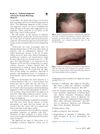
December 2017 in “Journal of The American Academy of Dermatology” The authors updated the criteria for diagnosing frontal fibrosing alopecia, making it easier to diagnose without a biopsy.
 December 2024 in “Surgery and Clinical Practice”
 Low-Level Laser Therapy may help reduce chronic pelvic pain in women.
December 2025 in “ILDS-DEV” June 2025 in “British Journal of Dermatology” Lichen planopilaris may have a genetic link.
 86 citations
,
May 2013 in “American journal of obstetrics and gynecology”
86 citations
,
May 2013 in “American journal of obstetrics and gynecology” Gynecologists should provide comprehensive care for transgender patients, including mental health evaluation, hormone therapy, and surgical options, while monitoring for side effects and ensuring patient safety.
November 2006 in “Hair transplant forum international”  May 2024 in “Australasian journal of dermatology”
 A man with a type of skin lymphoma had unusual yellowish skin growths despite normal blood lipid levels, and treatment reduced some symptoms but not the growths.