June 2021 in “International journal of cosmetics and dermatology” Vitamin C and E may help with certain skin and hair conditions, but more research is needed to confirm their effectiveness.
 May 2003 in “Facial Plastic Surgery Clinics of North America”
 Hair loss can be treated with medications like minoxidil and finasteride or surgery, but treatment effectiveness varies by alopecia type and accurate diagnosis is important.
182 citations
,
November 2018 in “Cosmetics” Seaweeds have beneficial compounds for skin care, including anti-aging and protective effects.
March 2024 in “Nutrients” Alopecia Areata is linked to specific gut bacteria and metabolites, indicating a complex gut microbiome.
21 citations
,
November 2023 in “International Journal of Molecular Sciences” Melatonin helps reduce aging signs in human eyelid skin.
 157 citations
,
June 2011
157 citations
,
June 2011 Dermatoscopy and videodermatoscopy are useful for diagnosing and monitoring various skin, hair, and nail conditions.
 43 citations
,
November 2019 in “American Journal of Clinical Dermatology”
43 citations
,
November 2019 in “American Journal of Clinical Dermatology” FAGA diagnosis uses blood tests and trichoscopy, with treatments like topical minoxidil, oral anti-androgens, and hormone-modulating drugs.
 21 citations
,
May 1988 in “Journal of The American Academy of Dermatology”
21 citations
,
May 1988 in “Journal of The American Academy of Dermatology” The first in-prison dermatology clinic in the U.S. faced challenges and found certain skin conditions common among inmates, with rare cases of serious skin cancer.
 14 citations
,
April 2014 in “Medical Clinics of North America”
14 citations
,
April 2014 in “Medical Clinics of North America” The document concludes that quick referral and appropriate treatments are crucial for managing common skin conditions and preventing permanent damage.
 December 2022 in “Research Square (Research Square)”
 Key genes linked to immune response are upregulated in hair follicles and skin tissues in chronic discoid lupus erythematosus.
 5 citations
,
July 2000 in “Southern Medical Journal”
5 citations
,
July 2000 in “Southern Medical Journal” Male pattern baldness is often genetic and linked to a hormone, with treatments like finasteride and minoxidil being effective for some men.
 2 citations
,
January 2013 in “Hair therapy & transplantation”
2 citations
,
January 2013 in “Hair therapy & transplantation” Hair transplants can be a treatment for scarring hair loss if there's good blood flow and no active disease.
 July 2016 in “Australasian Journal of Dermatology”
 The journal covered various dermatology topics, including treatments, disease management, and research findings.
 89 citations
,
October 1996 in “Dermatologic Clinics”
89 citations
,
October 1996 in “Dermatologic Clinics” Alopecia areata is likely caused by a combination of genetic factors and immune system dysfunction, and may represent different diseases with various causes.
 22 citations
,
October 2020 in “Anais Brasileiros de Dermatologia”
22 citations
,
October 2020 in “Anais Brasileiros de Dermatologia” The Brazilian Society of Dermatology agrees that oral isotretinoin is effective for acne and other skin conditions, and it's safe when monitored, but more research is needed on dosing and duration.
 4 citations
,
January 2009 in “Indian Journal of Dermatology, Venereology and Leprology”
4 citations
,
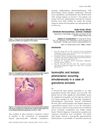
January 2009 in “Indian Journal of Dermatology, Venereology and Leprology” A patient with granuloma annulare experienced both isotopic and isomorphic responses, with skin lesions responding to steroids but relapsing after stopping treatment.
 339 citations
,
February 2014 in “Journal of The American Academy of Dermatology”
339 citations
,
February 2014 in “Journal of The American Academy of Dermatology” Most patients with frontal fibrosing alopecia are postmenopausal women, and treatments like finasteride and dutasteride can improve or stabilize the condition.
 12 citations
,
May 1989 in “Postgraduate Medicine”
12 citations
,
May 1989 in “Postgraduate Medicine” The document concludes that hair loss is common and can be treated with medications like minoxidil or surgical options, and it significantly affects people's psychological well-being.
 1 citations
,
January 2015 in “Journal of Pigmentary Disorders”
1 citations
,
January 2015 in “Journal of Pigmentary Disorders” Treating melasma in men is difficult, especially for the deeper skin layers, and may need more than just topical treatments.
September 2024 in “International Journal of Women’s Dermatology” Early diagnosis and thorough evaluation are crucial for better outcomes in alopecic sarcoidosis.
 25 citations
,
May 2009 in “International Journal of Dermatology”
25 citations
,
May 2009 in “International Journal of Dermatology” About one-third of dermatology patients in Ankara, Turkey use unconventional treatments for skin issues.
 106 citations
,
March 2014 in “BioEssays”
106 citations
,
March 2014 in “BioEssays” We need more research to better understand human hair follicle stem cells for improved treatments for hair loss and skin cancer.
 8 citations
,
October 2018 in “Journal of The American Academy of Dermatology”
8 citations
,
October 2018 in “Journal of The American Academy of Dermatology” The review suggests there's no agreed treatment for Frontal Fibrosing Alopecia, but hydroxychloroquine and 5a-reductase inhibitors are most effective. New treatments like platelet-rich plasma and LED light could help if standard treatments fail.

Alopecia Areata has no cure, treatments are limited, and the condition often recurs, but new therapies like JAK inhibitors show promise.
 5 citations
,
October 1984 in “The BMJ”
5 citations
,
October 1984 in “The BMJ” Up to 50% of scalp hair can be lost before it appears thin, and treatment is only needed for hair loss caused by diseases or deficiencies.
 August 1986 in “Journal of The American Academy of Dermatology”
 Minoxidil showed a 30% success rate for hair growth in a study, and various skin treatments were effective, but some had limitations or side effects.
277 citations
,
December 2019 in “Frontiers in Immunology” JAK inhibitors show promise for treating skin disorders like alopecia, eczema, and psoriasis.

The system can automatically identify different hair and scalp conditions using machine learning.
July 2025 in “Cell & Bioscience” Specific immune cells and pathways contribute to hair follicle inflammation and hair loss, suggesting potential treatments for lichen planopilaris.
 24 citations
,
November 2019 in “Experimental Dermatology”
24 citations
,
November 2019 in “Experimental Dermatology” PPAR-γ is important for healthy hair and its problems, and more research on PPAR-γ treatments is needed.