 October 2022 in “Frontiers in Cell and Developmental Biology”
 Aging skin is affected by inflammation, reduced stem cell function, and slower wound healing.
 December 2024 in “Cell Communication and Signaling”
 Fat tissue vesicles protect skin from UV damage better than stem cell vesicles.
November 2025 in “Journal of Investigative Dermatology” Light skin shows more inflammation from sun exposure than dark skin.
 19 citations
,
July 2009 in “Clinical and Experimental Dermatology”
19 citations
,
July 2009 in “Clinical and Experimental Dermatology” The study found that long-term sun exposure does not significantly affect follicular plugs on the scalp, and the scalp's appearance is unique compared to other body parts.
3 citations
,
January 2005 in “Photochemistry and Photobiology” Protein kinase C epsilon may promote skin cancer development after UV exposure by affecting nearby cells.
 6 citations
,
August 1993 in “Archives of Dermatology”
6 citations
,
August 1993 in “Archives of Dermatology” The study found that polymorphous light eruption varies among patients and can be distinguished from benign summer light eruption by the time it takes for symptoms to appear after sun exposure.
 9 citations
,
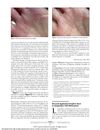
May 2013 in “JAMA Dermatology”
9 citations
,
May 2013 in “JAMA Dermatology” Sunlight exposure improved a patient's skin condition, and there may be a link between a certain disease and skin growths; a leukemia treatment caused changes in hair color and growth.
14 citations
,
September 2016 in “Journal of Photochemistry and Photobiology B Biology” UV exposure damages hair, increasing thiols and altering protein structure.
Red light exposure slows aging in mice by improving fat metabolism.
Red light exposure slows aging in mice by improving fat metabolism.
 April 2026 in “bioRxiv (Cold Spring Harbor Laboratory)”
 Red light exposure can slow aging in mice by improving fat metabolism.
144 citations
,
December 2017 in “Pigment cell & melanoma research” Melasma is now considered a skin aging disorder caused by sun exposure in people with a genetic tendency, which impacts treatment and prevention approaches.
22 citations
,
September 1986 in “Journal of Investigative Dermatology” Low-dose topical alpha-terthienyl may be a safer option for treating skin conditions with light therapy.
 November 2016 in “Universiti Putra Malaysia Institutional Repository (Universiti Putra Malaysia)”
 Dendrobium sabin flower extract may help reduce skin aging from UV exposure.
 26 citations
,
April 1999 in “Dermatologic Clinics”
26 citations
,
April 1999 in “Dermatologic Clinics” The long-pulsed alexandrite laser is effective for hair reduction, particularly for light-skinned individuals with dark hair, but caution is needed for darker skin.
 6 citations
,
November 1988 in “Journal of the American Academy of Dermatology”
6 citations
,
November 1988 in “Journal of the American Academy of Dermatology” The document concludes that hair analysis is not good for assessing nutrition but can detect long-term heavy metal exposure.
 64 citations
,
June 2020 in “PLoS ONE”
64 citations
,
June 2020 in “PLoS ONE” Red light boosts beneficial compounds in Eclipta alba cultures.
March 2024 in “Antioxidants” Excessive blue light harms eye cells and disrupts sleep patterns.
 November 2022 in “Journal of Investigative Dermatology”
 The study found that skin inflammation and immune response pathways are activated in Solar Urticaria patients after UV exposure, unlike in healthy people.
3 citations
,
April 2025 in “Advanced Healthcare Materials” Light-activated hyaluronic acid derivatives can enhance skin healing and regeneration.
 19 citations
,
February 2018 in “Lasers in Medical Science”
19 citations
,
February 2018 in “Lasers in Medical Science” Red light and LED treatments help hair grow by activating a specific cell signaling pathway.
1 citations
,
February 2025 in “Photodermatology Photoimmunology & Photomedicine” 830 nm LED light effectively treats and prevents skin redness and dark spots, while 590 nm LED light only helps prevent them.
 August 2019 in “Research Square (Research Square)”
 Red LED light improves the quality of Angora rabbit wool by promoting hair growth.
 September 2017 in “Journal of Investigative Dermatology”
 Blue light helps hair growth by affecting specific proteins in hair follicle cells.
 August 2025 in “Aesthetic Cosmetology and Medicine”
 Blue light can damage hair and scalp, leading to hair loss.
 January 2023 in “Dermatologic Therapy”
 A new hand-held light therapy device was found to be safe and effective for treating mild-to-moderate acne.
September 2017 in “The journal of investigative dermatology/Journal of investigative dermatology” Different types of human skin cells respond uniquely to various colors and doses of light, which could lead to specialized light treatments for skin conditions.
April 2021 in “Institutional Repositories DataBase (IRDB)” High-intensity red LED light boosts bone cell growth and mineralization.
Finasteride is more stable in sunlight than Diclofenac and Naproxen.
83 citations
,
February 1977 in “PubMed” Increasing light exposure in winter can make mares ovulate and cycle earlier.