July 2024 in “Journal of Investigative Dermatology” ATR12-351 ointment safely delivers LEKTI protein to the skin, reducing enzyme activity in Netherton syndrome.
 26 citations
,
March 2015 in “American journal of clinical dermatology”
26 citations
,
March 2015 in “American journal of clinical dermatology” Topical clobetasol is recommended over mycophenolate mofetil for treating Lichen Planopilaris due to better safety and patient satisfaction.
 September 2024 in “Drugs & Therapy Perspectives”
 Ritlecitinib effectively regrows hair in severe alopecia areata and is well tolerated.
10 citations
,
August 2016 in “Dermatology Online Journal” Nilotinib can cause skin issues like red bumps and hair loss.
December 2025 in “JEADV Clinical Practice” These new skin treatments are safer and more effective with minimal side effects.
September 2024 in “Annals of Medicine and Surgery” Ritlecitinib is the first FDA-approved pill for treating significant hair loss in alopecia areata patients aged 12 and up.
4 citations
,
June 2017 in “Irish veterinary journal” The deltamethrin solution effectively and safely treats and prevents lice in horses for up to one month.
 13 citations
,
November 2021 in “Pediatric Dermatology”
13 citations
,
November 2021 in “Pediatric Dermatology” Tofacitinib taken by mouth helps treat hair loss in children.
 September 2023 in “Medicina Estética Revista Científica de la Sociedad Española de Medicina Estética (SEME)”
 The FDA approved Litfulo® for treating severe alopecia areata in people aged 12 and older.
Baricitinib may effectively treat oral lichen planus.
 7 citations
,
June 2010 in “Journal of The American Academy of Dermatology”
7 citations
,
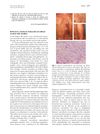
June 2010 in “Journal of The American Academy of Dermatology” Tranilast successfully treated a man's skin sarcoidosis when other treatments failed.
July 2024 in “Journal of Controlled Release” Nanostructured lipid carriers effectively deliver tofacitinib to hair follicles, reversing hair loss in alopecia areata.
 February 2026 in “Indian Journal of Dermatology”
 Upadacitinib may effectively treat twenty-nail dystrophy without causing pain.
 23 citations
,
January 2012 in “International Food Research Journal”
23 citations
,
January 2012 in “International Food Research Journal” Tofacitinib effectively treated a woman's severe symptoms from a rare autoimmune condition.
3 citations
,
July 2025 in “International Immunopharmacology”  November 2025 in “Mendeley Data”
 Unorthodox dosing of tofacitinib and baricitinib is safe but less effective than standard dosing for treating alopecia areata in kids.
1 citations
,
December 2024 in “Archives of Iranian Medicine” Tofacitinib may help treat Lichen Planopilaris, but more research is needed.
 35 citations
,
October 2015 in “International Journal of Pharmaceutics”
35 citations
,
October 2015 in “International Journal of Pharmaceutics” Tiny particles carrying roxithromycin can effectively target and deliver the drug to hair follicles without irritation.
3 citations
,
September 2016 in “Dermatologic Therapy” Doxycycline helps prevent skin issues from erlotinib in lung cancer patients.
February 2025 in “Canadian Journal of Health Technologies” Baricitinib is effective and cost-efficient for treating severe alopecia areata in adults.
January 2015 in “International Journal of Nanomedicine” Anionic squarticles can effectively counteract amitriptyline overdose, improving survival rates.
 May 2017 in “Journal of The American Academy of Dermatology”
 An intact skin barrier is crucial to prevent infection in cases of tether-induced tenosynovitis.
1 citations
,
November 2022 in “International Journal of Cosmetic Science” Lotus corniculatus seed extract reduces oily skin by decreasing sebum production.
 December 2023 in “Journal of Ayub Medical College Abbottabad”
 Ritlecitinib effectively treats alopecia areata in patients 12 and older with fewer side effects.
 June 2017 in “Journal of The American Academy of Dermatology”
 Tapinarof cream at 1% concentration is effective and better tolerated for treating atopic dermatitis than the 2% concentration.
7 citations
,
July 2023 in “Immunotherapy” Ritlecitinib works well and is safe for treating alopecia areata.
 3 citations
,
February 2005 in “Lung Cancer”
3 citations
,
February 2005 in “Lung Cancer” The new chemotherapy combination for advanced lung cancer showed a 35.7% response rate but caused significant side effects.
February 2026 in “Indian Dermatology Online Journal” Tofacitinib significantly improved skin and hair conditions without side effects.
20 citations
,
May 2023 in “Cancer Nanotechnology” The new drug delivery system effectively targets lung cancer cells.