8 citations
,
February 2022 in “International Journal of Dermatology” Lipids are crucial for healthy hair, protecting it from damage and breakage.
 8 citations
,
March 2020 in “Metabolites”
8 citations
,
March 2020 in “Metabolites” Finasteride treatment changes urine metabolomics and steroid signatures, potentially monitoring effectiveness but may cause sexual side effects.
 5 citations
,
February 2022 in “Acta Biomaterialia”
5 citations
,
February 2022 in “Acta Biomaterialia” Nanomaterials can improve hair care products and treatments, including hair loss and alopecia, by enhancing stability and safety, and allowing controlled release of compounds, but their safety in cosmetics needs more understanding.
1 citations
,
January 2021 in “SSRN Electronic Journal” Nanomaterials can make hair care products work better and safer.
 July 2026 in “International Journal of Drug Delivery Technology”
 New drug delivery systems show promise for better alopecia treatment but need more safety tests and standardization.
 52 citations
,
January 2020 in “Scientific Reports”
52 citations
,
January 2020 in “Scientific Reports” NLCs with manual massage greatly improve clobetasol delivery to hair follicles.
9 citations
,
May 2023 in “Stem Cell Research & Therapy” Stem cell treatment from umbilical cords reduces symptoms of atopic dermatitis and may help hair growth.
 8 citations
,
May 1998 in “Journal of Oral and Maxillofacial Surgery”
8 citations
,
May 1998 in “Journal of Oral and Maxillofacial Surgery” Acne is caused by increased sebum, abnormal skin shedding, bacteria, and inflammation, not dirt; treatments vary from creams to antibiotics or isotretinoin, with severe cases needing a dermatologist's care.
 4 citations
,
May 2012 in “Journal of Investigative Dermatology”
4 citations
,
May 2012 in “Journal of Investigative Dermatology” The symposium concluded that a specific lipid might cause hair loss, inflammation is a key factor, and stem cells in bald scalps aren't working right, suggesting new treatment targets.
January 2026 in “Journal of Biosciences and Medicines” Androgenetic alopecia treatments focus on reducing hair loss by targeting hormones, with new therapies showing promise but needing more research.
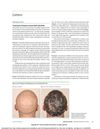 78 citations
,
March 2017 in “JAMA Dermatology”
78 citations
,
March 2017 in “JAMA Dermatology” Tofacitinib helped regrow hair in people with severe alopecia, but side effects occurred and benefits stopped after treatment ended.
 36 citations
,
May 2017 in “The journal of sexual medicine”
36 citations
,
May 2017 in “The journal of sexual medicine” Cyproterone acetate treatment is safe and causes mild feminization, which increases with added estrogen.
35 citations
,
February 2003 in “Biochimica et Biophysica Acta (BBA) - General Subjects” Lead can help reveal and organize lipids in human hair.
26 citations
,
January 2005 in “PubMed” RUM-loaded SLN shows promise for treating acne and hair loss topically.
 January 2022 in “DOAJ (DOAJ: Directory of Open Access Journals)”
 Argan oil-based nano carriers could potentially deliver caffeine to hair follicles to treat hair loss.
 November 2021 in “Research Square (Research Square)”
 The new caffeine cream works better for hair growth than existing products.
2 citations
,
December 2024 in “Apple Academic Press eBooks” Nanocarriers improve skin disease treatment by targeting hair follicles effectively.
 2 citations
,
September 2023 in “Curēus”
2 citations
,
September 2023 in “Curēus” Topical spironolactone may help treat ocular graft-versus-host disease with minimal side effects.
 2 citations
,
August 2023 in “Pharmaceutics”
2 citations
,
August 2023 in “Pharmaceutics” New skin disease treatments using TDDS are improving but face challenges like side effects and high costs.
 September 2023 in “Dermatology and Therapy”
 Baricitinib effectively regrows hair in most people with severe alopecia, especially those with patchy hair loss, but hair may fall out again if treatment stops.
October 2023 in “Perinatology and reproductology from research to practice” Combining medication for dyslipidemia and insulin resistance with basic therapy improves outcomes for alopecia areata with metabolic syndrome.
17 citations
,
January 2004 in “European journal of obstetrics, gynecology, and reproductive biology/European journal of obstetrics & gynecology and reproductive biology” Certain hormone medications can treat symptoms like acne and unwanted hair, regulate periods, and prevent pregnancy in women and teenage girls.
 16 citations
,
October 2007 in “Andrologia”
16 citations
,
October 2007 in “Andrologia” DHT is a strong androgen that may pose less risk to the prostate compared to testosterone.
11 citations
,
April 2011 in “Biomolecules & Therapeutics” Anionic liposome formulations of finasteride may effectively treat hair loss with fewer side effects.
Oral tofacitinib effectively treats alopecia areata long-term with manageable side effects.
Nanocarriers improve acne treatment by enhancing drug delivery and reducing side effects.
4 citations
,
May 2023 in “Cells” Baricitinib and its combination with lonafarnib improve fat cell formation in certain genetic disorders.
69 citations
,
March 2016 in “American journal of clinical dermatology” Topical retinoids effectively improve photodamaged skin.
 54 citations
,
December 2007 in “Best Practice & Research Clinical Endocrinology & Metabolism”
54 citations
,
December 2007 in “Best Practice & Research Clinical Endocrinology & Metabolism” Targeting glucocorticoid action might help treat type-2 diabetes, but human trials are needed.
19 citations
,
May 2010 in “Surface and interface analysis” 18-MEA is essential for hair's water resistance, and a conditioner with 18-MEA and SPDA can restore it.