 68 citations
,
September 2018 in “Trends in Cell Biology”
68 citations
,
September 2018 in “Trends in Cell Biology” Cancer can hijack the body's cell repair system to promote tumor growth, and targeting this process may improve cancer treatments.
 114 citations
,
March 2002 in “Current opinion in oncology/Current opinion in oncology, with cancerlit”
114 citations
,
March 2002 in “Current opinion in oncology/Current opinion in oncology, with cancerlit” Cancer therapy can cause various skin problems, including hair loss, skin darkening, painful hand-foot syndrome, and severe skin damage.
 84 citations
,
December 2018 in “Genetics in Medicine”
84 citations
,
December 2018 in “Genetics in Medicine” Pegvaliase is recommended for treating adults with phenylketonuria.
 53 citations
,
April 2018 in “Journal of The American Academy of Dermatology”
53 citations
,
April 2018 in “Journal of The American Academy of Dermatology” Cancer treatments often cause hair disorders, significantly affecting patients' quality of life, and better management methods are needed.
 44 citations
,
September 2015 in “Annals of Oncology”
44 citations
,
September 2015 in “Annals of Oncology” Targeted cancer therapies have a significant but lower risk of causing hair loss compared to chemotherapy.
 43 citations
,
February 2020 in “Clinica chimica acta”
43 citations
,
February 2020 in “Clinica chimica acta” Nano-sized plant-based chemicals could improve cervical cancer treatment by being more effective and causing fewer side effects than current methods.
 42 citations
,
April 2012 in “Seminars in Oncology”
42 citations
,
April 2012 in “Seminars in Oncology” Targeted cancer therapies often cause skin problems that need careful management to improve patient quality of life and treatment success.
 29 citations
,
August 2007 in “Annals of Oncology”
29 citations
,
August 2007 in “Annals of Oncology” Docetaxel and oxaliplatin are effective and have manageable side effects for recurrent platinum-sensitive ovarian cancer.
 28 citations
,
December 2006 in “Clinical lung cancer”
28 citations
,
December 2006 in “Clinical lung cancer” Early recognition and management of skin side effects from new cancer therapies can prevent treatment delays.
 26 citations
,
October 2018 in “Clinical & Translational Oncology”
26 citations
,
October 2018 in “Clinical & Translational Oncology” Spanish experts provided guidelines for treating skin side effects in cancer patients on new therapies, stressing early action and teamwork.
 19 citations
,
October 2011 in “Clinics in Dermatology”
19 citations
,
October 2011 in “Clinics in Dermatology” New chemotherapy drugs cause skin side effects, but treatments like minocycline and tetracycline can help reduce them.
 15 citations
,
November 2023 in “Supportive Care in Cancer”
15 citations
,
November 2023 in “Supportive Care in Cancer” Dermocosmetics help manage skin issues in cancer patients, improving outcomes and reducing treatment interruptions.
 12 citations
,
June 2019 in “Actas dermo-sifiliográficas/Actas dermo-sifiliográficas”
12 citations
,
June 2019 in “Actas dermo-sifiliográficas/Actas dermo-sifiliográficas” Proper skin toxicity management in chemotherapy is key to continuing treatment and keeping patient quality of life high.
 12 citations
,
March 2016 in “Life Sciences”
12 citations
,
March 2016 in “Life Sciences” The new chemotherapy combination of WP 631 and Epothilone B shows enhanced effectiveness against ovarian cancer but requires more research on its safety.
 4 citations
,
January 2016 in “Dermatology Review”
4 citations
,
January 2016 in “Dermatology Review” Cancer treatments often cause skin, nail, and hair problems.
 2 citations
,
December 2022 in “Journal of toxicologic pathology”
2 citations
,
December 2022 in “Journal of toxicologic pathology” Skin structure complexity and variability are crucial for assessing skin toxicity in safety tests.
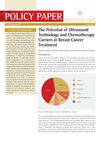
Ultrasound and nanocarriers could make breast cancer treatment safer and more effective.
 2 citations
,
February 2009 in “Journal of the American Academy of Dermatology”
2 citations
,
February 2009 in “Journal of the American Academy of Dermatology” Many research paper titles in dermatology journals lack scientific precision.
 1 citations
,
January 2015 in “Springer eBooks”
1 citations
,
January 2015 in “Springer eBooks” Chemotherapy can cause skin side effects that affect patients' lives, but they can be managed to avoid interrupting cancer treatment.
 1 citations
,
January 2010 in “Elsevier eBooks”
1 citations
,
January 2010 in “Elsevier eBooks” Any drug can cause skin reactions, but antibiotics, NSAIDs, and psychotropic drugs are more common, with some reactions being life-threatening.
 1 citations
,
May 2006 in “Expert Opinion on Therapeutic Patents”
1 citations
,
May 2006 in “Expert Opinion on Therapeutic Patents” No FDA-approved treatments for chemotherapy-induced hair loss existed in 2006; more research was needed.

Combining nanotechnology with herbal medicine may improve PCOS treatment.
 May 2021 in “Dermatopathology”
 The review emphasizes the need to recognize skin conditions that affect hair follicles and sweat glands to avoid misdiagnosis.
 January 2018 in “Springer eBooks”
 Cancer treatments targeting specific cells often cause skin, hair, and nail problems, affecting patients' lives and requiring careful management.
 March 2014 in “Journal of The American Academy of Dermatology”
 The document lists various dermatology topics, treatments, and diagnostic methods.
 19 citations
,
October 2020 in “Biomedical Microdevices”
19 citations
,
October 2020 in “Biomedical Microdevices” Derma rollers show promise for skin improvement and drug delivery, but more research is needed on their safety and effectiveness.
 19 citations
,
October 2008 in “Journal der Deutschen Dermatologischen Gesellschaft”
19 citations
,
October 2008 in “Journal der Deutschen Dermatologischen Gesellschaft” Anti-cancer treatments can cause reversible hair loss, skin sensitivity, pigmentation changes, nail damage, and skin reactions, with a need for more research on managing these side effects.
 125 citations
,
May 2019 in “Phytomedicine”
125 citations
,
May 2019 in “Phytomedicine” Cepharanthine is a well-tolerated drug with multiple medical uses, including anti-inflammatory and anti-cancer properties.
 112 citations
,
November 2023 in “Nano-Micro Letters”
112 citations
,
November 2023 in “Nano-Micro Letters” Nanozymes show promise for effective and safe cancer treatment.
 100 citations
,
November 1996 in “Molecular Medicine Today”
100 citations
,
November 1996 in “Molecular Medicine Today” Growth factors and cytokines are important for hair growth and could potentially treat hair loss, but more research is needed to overcome challenges before they can be used in treatments.