 2 citations
,
April 2021 in “International Journal of Pharmaceutics”
2 citations
,
April 2021 in “International Journal of Pharmaceutics” Serum formulations were better at delivering molecules to the hair bulb than nanoparticles.
 2 citations
,
March 2020 in “International Journal of Molecular Sciences”
2 citations
,
March 2020 in “International Journal of Molecular Sciences” Topical treatments can deliver active molecules to skin stem cells, potentially helping treat skin and hair disorders, including skin cancers and hair loss.
 1 citations
,
August 2024 in “Pharmaceuticals”
1 citations
,
August 2024 in “Pharmaceuticals” Goat placenta extract in a special delivery system improved hair growth and thickness in chemotherapy patients.
 1 citations
,
January 2015 in “Springer eBooks”
1 citations
,
January 2015 in “Springer eBooks” Chemotherapy can cause skin side effects that affect patients' lives, but they can be managed to avoid interrupting cancer treatment.
 1 citations
,
May 2006 in “Expert Opinion on Therapeutic Patents”
1 citations
,
May 2006 in “Expert Opinion on Therapeutic Patents” No FDA-approved treatments for chemotherapy-induced hair loss existed in 2006; more research was needed.
 1 citations
,
July 2005 in “Informa Healthcare eBooks”
1 citations
,
July 2005 in “Informa Healthcare eBooks” Hair follicles could be used for targeted drug delivery, with liposomal systems showing promise for this method.
 1 citations
,
January 2001 in “Journal of Toxicology-cutaneous and Ocular Toxicology”
1 citations
,
January 2001 in “Journal of Toxicology-cutaneous and Ocular Toxicology” Hair follicles could be used to deliver drugs effectively, with the right understanding and methods.
 September 2025 in “Journal of Drug Delivery and Therapeutics”
 Targeting hair follicles can effectively promote hair growth and treat hair disorders.
August 2025 in “MedComm – Biomaterials and Applications” Liposomal delivery systems improve drug absorption through the skin, offering potential for better treatments.
 February 2025 in “Archives of Dermatological Research”
 Combining microneedling with Minoxidil and Finasteride greatly improves hair growth and reduces hair loss in men.
 January 2025 in “International Journal of Research and Innovation in Applied Science”
 The developed glycerosome gel improves minoxidil delivery for better alopecia treatment.
 February 2024 in “Drug Delivery and Translational Research”
 A new liposomal formulation improves drug delivery and hair growth for treating hair loss without causing skin irritation.
 January 2023 in “Postępy Dermatologii i Alergologii”
 Azelaic acid treats acne, rosacea, and hyperpigmentation with minimal side effects.
 April 2021 in “Advances in Cosmetic Surgery”
 Hair restoration can be achieved through non-surgical treatments like minoxidil, antiandrogens, phototherapy, and PRP procedures, or through surgical methods like hair transplantation. Continued treatment is needed to maintain results, and full results are visible after 12-18 months.
 January 2019 in “Springer eBooks”
 Modified HDL can better deliver drugs and genes, potentially improving treatments and reducing side effects.
 June 2025 in “International Journal of Cosmetic Science”
 Keratin-encapsulated liposomes effectively repair and protect UV-damaged hair.
 November 2023 in “ACS Omega”
 New liposome treatment successfully delivers CRISPR to deactivate a key enzyme in androgen-related disorders.
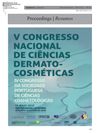 June 2015 in “Biomedical and biopharmaceutical research”
 The congress showed advancements in skin hydration, barrier function, and safe, effective new cosmetic formulations.
 December 2013 in “Biomedical and biopharmaceutical research”
 Nanotechnology shows promise for better drug delivery and cancer treatment.
 June 2026 in “Journal of Comprehensive Dermatology”
 Minoxidil is effective for hair growth, especially with new delivery methods and personalized treatments.
 179 citations
,
September 1998 in “BMJ”
179 citations
,
September 1998 in “BMJ” Hair loss in men is common, treatable, but not curable.
56 citations
,
October 2007 in “Journal of Biological Chemistry” Cathepsin L is essential for heart health and its absence causes heart problems and hair loss.
 48 citations
,
June 2014 in “Neurobiology of Disease”
48 citations
,
June 2014 in “Neurobiology of Disease” The study suggests that motor neurons created from stem cells of patients with spinal and bulbar muscular atrophy show signs of the disease, including changes in protein levels and cell functions.
 14 citations
,
September 2010 in “Annals of Plastic Surgery”
14 citations
,
September 2010 in “Annals of Plastic Surgery” Hair restoration has evolved from surgery to drugs to potential gene therapy, with improved results and ongoing research driven by high demand.
 10 citations
,
January 2001 in “ACTA HISTOCHEMICA ET CYTOCHEMICA”
10 citations
,
January 2001 in “ACTA HISTOCHEMICA ET CYTOCHEMICA” Lysosomal proteases and cytoplasmic enzymes help hair follicle cells develop and differentiate.
 5 citations
,
January 2017 in “Journal of Nanomedicine & Nanotechnology”
5 citations
,
January 2017 in “Journal of Nanomedicine & Nanotechnology” Nanoemulgel could be a promising new treatment for hair loss.
 5 citations
,
July 1999 in “JEADV. Journal of the European Academy of Dermatology and Venereology/Journal of the European Academy of Dermatology and Venereology”
5 citations
,
July 1999 in “JEADV. Journal of the European Academy of Dermatology and Venereology/Journal of the European Academy of Dermatology and Venereology” Proteolytic enzymes damage hair follicles by detaching stem cells.
3 citations
,
January 2025 in “International Journal of Molecular Sciences” EGCG shows strong electron transfer interactions when bonded to DPPG lipids.
 3 citations
,
October 2007 in “Expert Review of Dermatology”
3 citations
,
October 2007 in “Expert Review of Dermatology” Hair ages due to various factors and treatments like minoxidil and finasteride can help, but more research and better public awareness are needed.
 1 citations
,
March 2025 in “Biomedical Journal of Scientific & Technical Research”
1 citations
,
March 2025 in “Biomedical Journal of Scientific & Technical Research” Caffeine can effectively treat hair loss and skin issues.