January 2010 in “Guoji yaoxue yanjiu zazhi” Thallium poisoning is serious, affecting nerves and organs, and is treated by reducing absorption and removing it from the body.
60 citations
,
February 2003 in “Postgraduate Medical Journal” Early diagnosis and haemodialysis can effectively treat thallium poisoning.
 January 2024 in “Current research in toxicology”
 Thallium is highly toxic, causing severe health issues, and Prussian blue is the best antidote.
5 citations
,
March 2008 in “DMW - Deutsche Medizinische Wochenschrift” A man was poisoned with thallium, treated successfully, but still had some nerve issues after 6 months.
1 citations
,
May 2007 in “Emergency medicine news” Dr. Marina Kovalevsky and her daughter were hospitalized for suspected politically motivated thallium poisoning in Moscow.
 July 1996 in “Trends in Endocrinology and Metabolism”
 The book is a valuable reference on androgenic disorders for professionals but not suitable for laypeople or medical students.
 1 citations
,
December 2021 in “Tropical Journal of Pharmaceutical Research”
1 citations
,
December 2021 in “Tropical Journal of Pharmaceutical Research” Kanglaite injection with chemotherapy improves treatment and reduces side effects for advanced lung cancer.
59 citations
,
October 1976 in “Acta Neurologica Scandinavica” Sodium valproate reduced seizures in many patients with resistant epilepsy.
1 citations
,
May 1992 in “Pharmacological Research”  147 citations
,
April 1994 in “Drug Safety”
147 citations
,
April 1994 in “Drug Safety” Some drugs can cause hair loss or increase hair growth, but these effects are usually reversible when the drug is stopped.
 10 citations
,
January 2008 in “Acta dermato-venereologica”
10 citations
,
January 2008 in “Acta dermato-venereologica” Carbamazepine caused hair loss and skin eruptions in a woman, which improved after stopping the medication.
 4 citations
,
January 2015 in “Sen'i Gakkaishi”
4 citations
,
January 2015 in “Sen'i Gakkaishi” Hair and wool strength is affected by the number and type of bonds in their protein structures, with hair having more protein aggregates than wool.
 4 citations
,
September 2014 in “Elsevier eBooks”
4 citations
,
September 2014 in “Elsevier eBooks” Use some skin medications with caution during pregnancy; avoid strong steroids, certain eczema treatments, and systemic retinoids, but many topical treatments and nasal sprays are safe.
 August 1994 in “Drugs & Therapy Perspectives”
 The document concludes that H2-antagonists and proton pump inhibitors are highly effective for ulcers, eradicating Helicobacter pylori is important to prevent recurrence, and misoprostol helps with NSAID-related ulcers.
 1 citations
,
January 2018 in “Journal of Neurology Research”
1 citations
,
January 2018 in “Journal of Neurology Research” A young man had rare serious side effects from an epilepsy drug, leading to stopping the drug.
 21 citations
,
April 2011 in “Epilepsia”
21 citations
,
April 2011 in “Epilepsia” The drug combination significantly reduced epileptic drop attacks in patients.
 1 citations
,
October 1935 in “Nature”
1 citations
,
October 1935 in “Nature” Potassium iodide prevents hair loss and reduces toxicity from thallium acetate.
Sodium valproate improved epilepsy control in most children but often caused weight gain and other mild side effects.
 180 citations
,
November 1991 in “American Journal of Psychiatry”
180 citations
,
November 1991 in “American Journal of Psychiatry” Fluoxetine was not effective in treating hair-pulling disorder in the short term.
 128 citations
,
January 2001 in “American Journal of Clinical Dermatology”
128 citations
,
January 2001 in “American Journal of Clinical Dermatology” Coal tar shampoos, salicylic acid, and topical corticosteroids are effective for scalp psoriasis, with Vitamin D3 analogues also showing benefits; severe cases may require stronger medication with more risks.
 78 citations
,
February 2011 in “Canadian Medical Association Journal”
78 citations
,
February 2011 in “Canadian Medical Association Journal” Acne treatment varies, with topical and systemic therapies effective, and more research needed on treatment order and long-term effects.
 47 citations
,
January 2017 in “RSC Advances”
47 citations
,
January 2017 in “RSC Advances” Keratin peptides can change hair shape gently without harsh chemicals.
 47 citations
,
January 2003 in “American Journal of Clinical Dermatology”
47 citations
,
January 2003 in “American Journal of Clinical Dermatology” Mood stabilizers can cause serious skin reactions; careful monitoring and immediate treatment are crucial.
 45 citations
,
January 1998 in “Dermatology”
45 citations
,
January 1998 in “Dermatology” Some skin conditions look like acne but are caused by drugs, and they usually get better when the drug is stopped.
 27 citations
,
January 2017 in “Neuropsychopharmacology”
27 citations
,
January 2017 in “Neuropsychopharmacology” The enzyme 5α-reductase is key in causing psychotic-like effects from sleep deprivation.
 19 citations
,
February 2007 in “International Clinical Psychopharmacology”
19 citations
,
February 2007 in “International Clinical Psychopharmacology” Quetiapine may cause hair loss, a side effect not widely recognized before.
 14 citations
,
February 1994 in “Tetrahedron Letters”
14 citations
,
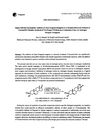
February 1994 in “Tetrahedron Letters” Adding cerium(III) chloride to Grignard reagents improves the making of compounds that could treat prostate issues and hair loss.
 12 citations
,
May 2017 in “Medicine”
12 citations
,
May 2017 in “Medicine” Oral isotretinoin was recommended for a 21-year-old woman with severe acne.
 12 citations
,
February 2001 in “Annals of Pharmacotherapy”
12 citations
,
February 2001 in “Annals of Pharmacotherapy” No effective treatment for hair loss after childbirth was found, but it usually gets better on its own and some cosmetic methods might help.
 8 citations
,
October 2014 in “Journal of analytical toxicology.”
8 citations
,
October 2014 in “Journal of analytical toxicology.” Chemical hair straightening significantly reduces detectable drug levels in hair.