 May 2024 in “Journal of cosmetic dermatology”
 "Dutasteride 0.5 mg daily is the most effective treatment for male hair loss."
 1 citations
,
April 2018 in “Lasers in Surgery and Medicine”
1 citations
,
April 2018 in “Lasers in Surgery and Medicine” New treatments and technologies in laser medicine show promise for improving skin conditions, fat reduction, cancer treatment, wound healing, and hair restoration.
 June 2024 in “Computational and Structural Biotechnology Journal”
 Multi-omics techniques help understand the molecular causes of androgenetic alopecia.
 February 2023 in “Frontiers in Bioengineering and Biotechnology”
 Optical imaging and light therapy show promise for diagnosing and treating liver injury caused by surgery.
 35 citations
,
January 1996 in “Dermatologic clinics”
35 citations
,
January 1996 in “Dermatologic clinics” Tinea capitis is a common scalp infection causing hair loss, mostly in young children.
March 2024 in “Clinical Case Reports” Early detection of tinea capitis is possible by spotting specific hair patterns like comma or corkscrew hairs.
 October 2022 in “The Journal of Family Practice”
 Tinea capitis is a scalp fungal infection in children that can cause hair loss, scaling, and other symptoms.
November 2021 in “CRC Press eBooks” Tinea capitis is a fungal infection of the scalp that mainly affects children and can cause symptoms from mild itching to severe inflammation.
Visible lesions are not always needed to diagnose tinea capitis.
July 2026 in “Cosmoderma” Trichoscopy can identify specific hair patterns in tinea capitis before and after treatment.
May 2020 in “The Journal of Pediatrics” Tinea capitis can be quickly diagnosed and treated using dermoscopy to prevent hair damage.
 April 2016 in “JAMA Dermatology”
 Baseball caps don't fully protect bald spots on the back of the head from sun damage; wear wide-brimmed hats or use sunscreen.
 January 2026 in “Pediatria Polska”
 Early diagnosis and treatment of tinea capitis in children is crucial to prevent permanent hair loss and scarring.
 3 citations
,
April 2021 in “Berkala ilmu kedokteran/Journal of the medical sciences”
3 citations
,
April 2021 in “Berkala ilmu kedokteran/Journal of the medical sciences” A fungus called Epidermophyton floccosum can cause scalp infections.
 3 citations
,
January 2021 in “Skin appendage disorders”
3 citations
,
January 2021 in “Skin appendage disorders” Trichoscopy is useful for correctly diagnosing tinea capitis in adults with unexplained hair loss.
September 2020 in “PubMed” The specialized protective cap improved recovery and satisfaction after hair transplant.
July 2024 in “Indian Dermatology Online Journal” Tinea capitis can occur in adults and should be considered if scalp issues persist.
 February 2026 in “International Journal of Research in Dermatology”
 Two adults with unusual scalp fungus symptoms were successfully treated.
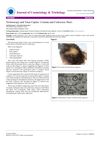 1 citations
,
January 2016 in “Journal of cosmetology & trichology”
1 citations
,
January 2016 in “Journal of cosmetology & trichology” Trichoscopy helped diagnose and treat a child's fungal scalp infection by spotting specific hair shapes.
16 citations
,
March 1991 in “International Journal of Dermatology” Tinea capitis is rare in healthy adults but should be considered in scalp issues.
1 citations
,
July 2024 in “Clinical Case Reports” An 8-year-old with scalp fungus was successfully treated with Terbinafine, preventing hair loss and spread.
May 2024 in “Journal of Fungi” Tinea capitis in adults, especially postmenopausal Black women, needs prompt treatment with oral antifungals to avoid scarring.
 4 citations
,
October 2011 in “Pediatric dermatology”
4 citations
,
October 2011 in “Pediatric dermatology” Head lice can cause unusual patchy hair loss.
8 citations
,
October 1993 in “International Journal of Dermatology” The man's scalp infection was treated successfully, and his hair grew back.
 143 citations
,
October 2008 in “Journal of The American Academy of Dermatology”
143 citations
,
October 2008 in “Journal of The American Academy of Dermatology” Comma hairs are a specific sign of tinea capitis when viewed with videodermatoscopy.
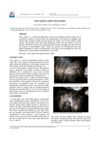
An adult Libyan woman was successfully treated for a rare scalp infection usually seen in children.
24 citations
,
July 2009 in “Mycoses” A scalp infection was treated successfully, leading to full hair regrowth.
 April 2019 in “Dermatology reports”
 A 12-year-old boy's hair fully regrew after 8 weeks of treatment for tinea capitis, and dermoscopy was useful for diagnosis and monitoring.
April 2026 in “Indian Journal of Paediatric Dermatology” Trichoscopy is vital for diagnosing tinea capitis in adolescents with lupus.
1 citations
,
March 2019 in “Dermatology Reports” Dermoscopy can help diagnose tinea capitis but should be used with other tests.