 May 2015 in “Cancer Research”
 A new treatment may prevent hair loss from chemotherapy by normalizing scalp cell death and reducing inflammation.
 October 2014 in “Cancer Research”
 A new topical treatment may prevent hair loss from cancer therapy by adjusting cell death processes in hair follicles.
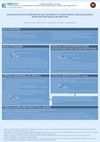
Scalp cooling is recommended to prevent chemotherapy-induced hair loss, but no effective drugs are available.
 4 citations
,
March 2023 in “Journal of controlled release”
4 citations
,
March 2023 in “Journal of controlled release” A special gel with medicine helps prevent melanoma from coming back after surgery.
 12 citations
,
December 1987 in “Cancer Chemotherapy and Pharmacology”
12 citations
,
December 1987 in “Cancer Chemotherapy and Pharmacology” Vitamin E in the diet might help protect against hair loss caused by the chemotherapy drug doxorubicin in rabbits.
8 citations
,
June 2010 in “Plastic & Reconstructive Surgery” Complete removal of scalp tumors is crucial, but malignant cases may recur or metastasize, requiring a multidisciplinary approach and close follow-up.
12 citations
,
January 2023 in “Current Oncology” Early detection and complete surgical removal are crucial for better outcomes in treating pilomatrix carcinoma.
 December 2017 in “Actas Dermo-Sifiliográficas”
 Scalp cooling reduces chemotherapy-induced hair loss without increasing risk of skin metastases.
 4 citations
,
March 2023 in “Current Oncology”
4 citations
,
March 2023 in “Current Oncology” Scalp cooling is the only FDA-approved method to prevent hair loss from chemotherapy, but other treatments like minoxidil and PRP are being tested.
27 citations
,
January 2018 in “Drug Delivery” GC10/DOX hydrogel shows promise as an effective thyroid cancer treatment.
 3 citations
,
May 2017 in “Heliyon”
3 citations
,
May 2017 in “Heliyon” Wound healing can help prevent hair loss from chemotherapy in young rats by increasing interleukin-1β signaling.
 July 2016 in “Cancer Research”
 A topical lotion helped manage hair loss from chemotherapy by affecting cell death, inflammation, and collagen, with no side effects.
 2 citations
,
April 2025 in “Cureus”
2 citations
,
April 2025 in “Cureus” Ki-67 levels do not predict treatment response in triple-negative breast cancer.
 April 2023 in “Research Square (Research Square)”
 A young woman had a rare, aggressive ovarian tumor that was hard to diagnose and treat, leading to disease progression despite treatment.
May 1979 in “Archives of Dermatology” Alopecia can be linked to autoimmune issues, vitiligo, nail problems, and sometimes cancer treatments.
 2 citations
,
January 2021 in “Przegląd Dermatologiczny (1959)”
2 citations
,
January 2021 in “Przegląd Dermatologiczny (1959)” The article discusses various treatments for different types of non-scarring hair loss.
December 2025 in “eTheses of Maulana Malik Ibrahim State Islamic University (Maulana Malik Ibrahim State Islamic University)” A traditional plant mix from East Nusa Tenggara boosts hair growth in mice.
March 2022 in “JAAD case reports” A man had a non-cancerous, fast-growing skin lump on his arm that was removed with surgery.
August 2024 in “Case Reports in Ophthalmology” Older patients with new retinal lesions may have cancer, and local radiation might not stop it from spreading.
Alkylating agents can kill cancer cells but may cause skin and allergic reactions.
 114 citations
,
March 2002 in “Current opinion in oncology/Current opinion in oncology, with cancerlit”
114 citations
,
March 2002 in “Current opinion in oncology/Current opinion in oncology, with cancerlit” Cancer therapy can cause various skin problems, including hair loss, skin darkening, painful hand-foot syndrome, and severe skin damage.
 11 citations
,
November 2021 in “JDDG Journal der Deutschen Dermatologischen Gesellschaft”
11 citations
,
November 2021 in “JDDG Journal der Deutschen Dermatologischen Gesellschaft” Cutaneous angiosarcomas require a combined treatment approach, but prognosis is generally poor.
8 citations
,
August 2014 in “Journal of Clinical Oncology” Stereotactic body radiation therapy and radiosurgery are advanced, precise treatments that target tumors while protecting healthy tissue.
 4 citations
,
August 2021 in “Frontiers in Cell and Developmental Biology”
4 citations
,
August 2021 in “Frontiers in Cell and Developmental Biology” Stress can cause hair loss by affecting nerve-related hair growth, and noradrenaline might help prevent this.
 August 2018 in “Journal of The American Academy of Dermatology”
 A 90-year-old woman's hand lesion was a rare, aggressive skin cancer treated successfully with surgery.
 7 citations
,
September 2006 in “Clinical lymphoma & myeloma”
7 citations
,
September 2006 in “Clinical lymphoma & myeloma” Balancing treatment effectiveness with side effects is crucial for relapsed follicular non-Hodgkin's lymphoma, especially in older patients.
 172 citations
,
November 1983 in “Journal of The American Academy of Dermatology”
172 citations
,
November 1983 in “Journal of The American Academy of Dermatology” Chemotherapy can cause skin problems like hair loss, mouth sores, and skin darkening, and recognizing these can affect treatment decisions.
 150 citations
,
March 1995 in “Annals of Oncology”
150 citations
,
March 1995 in “Annals of Oncology” Palliative chemotherapy is cost-effective for advanced gastric and colorectal cancer but not clearly for pancreatic-biliary cancer.
 141 citations
,
September 2016 in “European Journal of Dermatology”
141 citations
,
September 2016 in “European Journal of Dermatology” Taxane chemotherapy can cause skin, hair, and nail side effects, which are often under-reported and can affect patient quality of life.
 116 citations
,
May 2013 in “Proceedings of the National Academy of Sciences of the United States of America”
116 citations
,
May 2013 in “Proceedings of the National Academy of Sciences of the United States of America” Hair grows faster in the morning and is more vulnerable to damage from radiation due to the internal clock in hair follicle cells.