 73 citations
,
January 2013 in “European journal of dermatology/EJD. European journal of dermatology”
73 citations
,
January 2013 in “European journal of dermatology/EJD. European journal of dermatology” Antioxidants may help fight oxidative stress linked to autoimmune skin diseases.
 45 citations
,
January 1998 in “Dermatology”
45 citations
,
January 1998 in “Dermatology” Some skin conditions look like acne but are caused by drugs, and they usually get better when the drug is stopped.
 42 citations
,
July 2015 in “Cosmetics”
42 citations
,
July 2015 in “Cosmetics” Nanotechnology improves hair care products by enhancing ingredient stability, targeting treatment, and reducing side effects, but more research on its toxicity is needed.
 31 citations
,
April 2010 in “British journal of dermatology/British journal of dermatology, Supplement”
31 citations
,
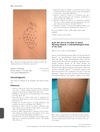
April 2010 in “British journal of dermatology/British journal of dermatology, Supplement” Frontal fibrosing alopecia can cause sudden hair loss on limbs, similar to scalp hair loss.
 27 citations
,
November 2021 in “Scientific Reports”
27 citations
,
November 2021 in “Scientific Reports” Men are more affected by COVID-19 due to differences in immune responses and protein expression.
 23 citations
,
July 2007 in “The journal of investigative dermatology/Journal of investigative dermatology”
23 citations
,
July 2007 in “The journal of investigative dermatology/Journal of investigative dermatology” Hair follicle bulge cells don't help skin regrow after glucocorticoid damage; interfollicular epidermis cells do.
 20 citations
,
September 2005 in “Clinics in Dermatology”
20 citations
,
September 2005 in “Clinics in Dermatology” Some skin problems can be signs of diabetes or other metabolic diseases and recognizing them can help diagnose and treat these diseases early.
 19 citations
,
September 1995 in “Food and nutrition bulletin”
19 citations
,
September 1995 in “Food and nutrition bulletin” Leucaena leucocephala is nutritious but needs careful processing to remove toxins.
 15 citations
,
November 2023 in “Supportive Care in Cancer”
15 citations
,
November 2023 in “Supportive Care in Cancer” Dermocosmetics help manage skin issues in cancer patients, improving outcomes and reducing treatment interruptions.
 10 citations
,
November 2024 in “Nature Reviews Cardiology”
10 citations
,
November 2024 in “Nature Reviews Cardiology” Skin conditions can signal heart issues, highlighting the need for integrated care.
 3 citations
,
January 2010 in “Elsevier eBooks”
3 citations
,
January 2010 in “Elsevier eBooks” The document describes various skin conditions, their features, and treatments but lacks detailed study size information.
 July 2026 in “International Journal of Drug Delivery Technology”
 The herbal emulgel with Piper betle leaf extract promotes hair growth and is safe for skin use.
 June 2026 in “Discover Nano”
 Lipid nanocarriers could effectively promote hair regrowth with fewer side effects.
 February 2026 in “Frontiers in Medicine”
 FUE hair transplants are generally safe but require careful planning to avoid rare complications.
 December 2025 in “IP Indian Journal of Clinical and Experimental Dermatology”
 DNCB is more effective than betamethasone for hair regrowth but has more side effects.
 January 2019 in “ARC journal of pharmaceutical sciences”
 Acne can be managed with various treatments and requires psychological support due to its emotional impact.
 September 2014 in “Journal der Deutschen Dermatologischen Gesellschaft”
 Diabetes can cause a variety of skin disorders, some of which may signal more serious health issues.
 January 2012 in “Springer eBooks”
 Lupus can cause different skin problems, and treatments like quitting smoking and using certain creams or medicines can help.
 September 2009 in “Pediatric Dermatology”
 UVB is good for a skin condition in Asian kids, a lotion works for head lice, a drug helps with a skin blistering disorder, a foam reduces itchiness in skin inflammation, birthmarks can be more widespread, and criteria for a neurocutaneous disorder were agreed upon.
 March 2008 in “Aging health”
 Docetaxel is safe and works well for older people with cancer, with manageable side effects.
 September 2004 in “Experimental dermatology”
 Melatonin directly affects mouse hair follicles and may influence hair growth.
 51 citations
,
October 1981 in “British Journal of Dermatology”
51 citations
,
October 1981 in “British Journal of Dermatology” Some patients developed skin inflammation after obesity surgery, and a medication called dapsone helped treat it.
 35 citations
,
May 2020 in “Frontiers in Pharmacology”
35 citations
,
May 2020 in “Frontiers in Pharmacology” Different drugs for prostate-related urinary symptoms work but have various side effects, and treatment should be tailored to the individual.
 10 citations
,
July 2011 in “Springer eBooks”
10 citations
,
July 2011 in “Springer eBooks” Carboxytherapy can improve skin conditions with few side effects, but results may vary and are not guaranteed.
January 2020 in “Dermatology Review” Early diagnosis and treatment are crucial for managing alopecia areata, morphea, and psoriasis.
 1 citations
,
January 2015 in “Journal of Pigmentary Disorders”
1 citations
,
January 2015 in “Journal of Pigmentary Disorders” Melasma is a skin condition linked to female hormones, genetics, UV exposure, and certain medications, but not to pituitary, adrenal, or thyroid diseases.
 36 citations
,
February 2017 in “BMC Complementary and Alternative Medicine”
36 citations
,
February 2017 in “BMC Complementary and Alternative Medicine” Geranium sibiricum extract helps hair grow and is more effective than minoxidil but can be toxic in high concentrations.
 20 citations
,
July 2013 in “International Journal of Dermatology”
20 citations
,
July 2013 in “International Journal of Dermatology” Obesity increases the risk of skin infections, inflammatory conditions, and melanoma, but not basal cell carcinoma.
 17 citations
,
May 2021 in “Journal of Assisted Reproduction and Genetics”
17 citations
,
May 2021 in “Journal of Assisted Reproduction and Genetics” COVID-19 may harm male fertility and damage the reproductive system.
 16 citations
,
September 2014 in “International Journal of Biological Markers”
16 citations
,
September 2014 in “International Journal of Biological Markers” Longer CAG and GGN repeats increase alopecia risk, but no significant link to post-finasteride syndrome found.