 July 2003 in “Journal of Cutaneous Medicine and Surgery”
 Blood pressure drugs can cause skin lupus, early treatment is key for baby herpes and diabetic foot ulcers, a certain vaccine works against genital herpes and HPV in women, more frequent light therapy helps psoriasis, smoking and drinking can worsen psoriasis, a cream clears up a type of skin cancer, and low iron levels don't cause chronic hair loss.
 July 2003 in “Journal of Cutaneous Medicine and Surgery”
 Blood pressure drugs can cause skin lupus, but it improves after stopping the drug. The glycoprotein D vaccine works against genital herpes in some women, and the HPV-16 vaccine reduces HPV-16 infection and related diseases. More frequent light therapy clears psoriasis faster. A cream called imiquimod effectively treats a type of skin cancer. Iron supplements don't necessarily help with chronic hair loss in women.
 July 2003 in “Journal of Cutaneous Medicine and Surgery”
 High blood pressure drugs often cause skin lupus, stopping the drug usually helps. A vaccine helps prevent genital herpes and HPV-16. More frequent light therapy clears psoriasis faster. No link was found between low iron and chronic hair loss.
 January 2015 in “Springer eBooks”
 Chronic kidney disease can cause hair loss, which may be related to zinc deficiency or certain medications, and sometimes hair grows back when the underlying issue is treated.
 122 citations
,
April 1995 in “Journal of Cutaneous Pathology”
122 citations
,
April 1995 in “Journal of Cutaneous Pathology” The document describes how to tell different types of non-scarring hair loss apart by looking at hair and scalp tissue under a microscope.
3 citations
,
August 2022 in “International Journal of Molecular Sciences” TSC2-/meth cells can cause skin lesions, hair growth, and lung issues, and may be treated with chromatin remodeling agents.
 January 2024 in “Journal of Cosmetics, Dermatological Sciences and Applications”
 Injecting a peptide-hyaluronic acid mix improved hair growth in men with hair loss and was safe.
 16 citations
,
December 2012 in “The Clinical Journal of Pain”
16 citations
,
December 2012 in “The Clinical Journal of Pain” Chronic scalp pain in trichodynia involves both body-wide and localized increased pain sensitivity.
 262 citations
,
May 2017 in “Nanomedicine”
262 citations
,
May 2017 in “Nanomedicine” New nanofiber technology improves wound healing by supporting cell growth and delivering treatments directly to the wound.
 11 citations
,
December 2010 in “Archives of Dermatology”
11 citations
,
December 2010 in “Archives of Dermatology” A man with rare skin changes on his fingers was diagnosed with multiple myeloma-linked amyloidosis.
 3 citations
,
July 2010 in “Archives of internal medicine”
3 citations
,
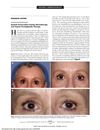
July 2010 in “Archives of internal medicine” A woman kept her eyelashes during chemotherapy possibly because of her glaucoma eye drops.
 37 citations
,
May 2016 in “JAAD case reports”
37 citations
,
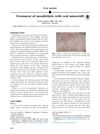
May 2016 in “JAAD case reports” Oral minoxidil shows promise in treating monilethrix-related hair loss.
2 citations
,
July 2014 in “Journal of pharmacology and pharmacotherapeutics” A woman got unwanted hair growth on her face from using bimatoprost eyedrops for glaucoma.
151 citations
,
August 2011 in “The EMBO Journal” The enzyme PA-PLA1α is important for proper hair follicle development.
CCC1 is crucial for pH balance in plant cells, affecting growth and stress tolerance.
 39 citations
,
April 2001 in “Journal of The American Academy of Dermatology”
39 citations
,
April 2001 in “Journal of The American Academy of Dermatology” Latanoprost, a glaucoma medication, caused excessive eyelid hair growth in many patients.
 22 citations
,
September 2004 in “Journal of The European Academy of Dermatology and Venereology”
22 citations
,
September 2004 in “Journal of The European Academy of Dermatology and Venereology” Bimatoprost can cause longer, thicker, darker eyelashes and eyebrows.
 June 2026 in “Journal of Korean Medicine”
 Long-term repeated cupping therapy can cause unexpected localized hair growth.
 13 citations
,
December 2010 in “Archives of Dermatology”
13 citations
,
December 2010 in “Archives of Dermatology” Minoxidil use can cause trichostasis spinulosa in long-term hair loss patients.
 9 citations
,
November 2017 in “Journal of Glaucoma”
9 citations
,
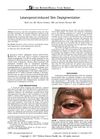
November 2017 in “Journal of Glaucoma” Latanoprost eye drops may cause skin depigmentation.
 90 citations
,
October 1996 in “Dermatologic Clinics”
90 citations
,
October 1996 in “Dermatologic Clinics” Growth factors are crucial for hair development and could help treat hair diseases.
 30 citations
,
April 2002 in “Archives of Dermatology”
30 citations
,
April 2002 in “Archives of Dermatology” Finasteride can cause one-sided breast enlargement, which disappears after stopping the drug.
 15 citations
,
October 1981 in “Archives of internal medicine”
15 citations
,
October 1981 in “Archives of internal medicine” Minoxidil can cause severe skin reactions like Stevens-Johnson syndrome in rare cases.
 2 citations
,
January 2012 in “InTech eBooks”
2 citations
,
January 2012 in “InTech eBooks” Chemotherapy often causes hair loss, which usually grows back within 3 to 6 months, but there's no effective treatment to prevent it.
 December 2025 in “International Journal of Pharmacology”
 iPSC-derived artificial platelets show promise for consistent and effective regenerative therapies.
 64 citations
,
July 2011 in “Dermatologic Therapy”
64 citations
,
July 2011 in “Dermatologic Therapy” Scalp cooling can prevent chemotherapy-induced hair loss, and certain treatments can speed up hair regrowth, but more research is needed for better treatments.
 23 citations
,
June 1996 in “Toxicology”
23 citations
,
June 1996 in “Toxicology” Older rats more affected by minoxidil's cardiotoxic effects than younger rats.
 19 citations
,
October 2011 in “Clinics in Dermatology”
19 citations
,
October 2011 in “Clinics in Dermatology” New chemotherapy drugs cause skin side effects, but treatments like minocycline and tetracycline can help reduce them.

Mechanical surface cues can control macrophage behavior for better immunotherapy and tissue healing.
 February 2026 in “Cureus”
 Ciclosporin can cause excessive hair growth even with testosterone blockers.