4 citations
,
May 2023 in “Cells” Baricitinib and its combination with lonafarnib improve fat cell formation in certain genetic disorders.
 June 2023 in “GSC Advanced Research and Reviews”
 Hutchinson-Gilford Progeria Syndrome causes rapid aging from a genetic mutation, with no cure but ongoing research into potential treatments.
May 2023 in “Reactions Weekly” January 2013 in “Reactions Weekly”  39 citations
,
January 2019 in “Cells”
39 citations
,
January 2019 in “Cells” Gene therapy has potential as a future treatment for Hutchinson-Gilford progeria syndrome.
 2 citations
,
August 2023 in “Die Dermatologie”
2 citations
,
August 2023 in “Die Dermatologie” Genetic mutations affecting DNA repair cause early aging symptoms in progeroid syndromes.
 1 citations
,
July 2022 in “Вопросы современной педиатрии”
1 citations
,
July 2022 in “Вопросы современной педиатрии” Progeria causes early aging due to a gene mutation, affecting skin, bones, and heart, with treatments aimed at improving life quality.
 October 2025 in “Open Repository of the University of Porto (University of Porto)”
 Pharmacists play a crucial role in personalized therapy, health literacy, and patient care across various health conditions.
 June 2022 in “Indian journal of clinical and experimental opthalmology”
 The report shows a young man with Hutchinson-Gilford Progeria Syndrome had typical and additional eye problems related to the disease.
5 citations
,
January 1991 in “Drugs of The Future” January 2012 in “Chinese Clinical Oncology” Disodium folinate can safely and effectively replace calcium folinate in colorectal cancer treatment.
 67 citations
,
October 2005 in “Annals of Oncology”
67 citations
,
October 2005 in “Annals of Oncology” Fulvestrant is a well-tolerated new treatment for advanced breast cancer that may delay chemotherapy.
October 2025 in “Pharmaceuticals” Auranofin shows promise as a cancer treatment, especially when combined with other therapies.
12 citations
,
January 2016 in “Journal of clinical biochemistry and nutrition” Deferasirox combined with sorafenib reduces liver cancer risk and lessens treatment side effects.
23 citations
,
October 2008 in “Journal of medicinal chemistry” PF-998425 is a new, effective, and non-phototoxic treatment for skin conditions related to androgens.
 November 2025 in “SKIN The Journal of Cutaneous Medicine”
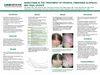
 Baricitinib shows promise in improving frontal fibrosing alopecia symptoms.
5 citations
,
March 2021 in “Hepatitis Monthly” Tenofovir alafenamide fumarate is effective and safer for hepatitis B, with fewer side effects than tenofovir disoproxil fumarate.
 October 2024 in “Internal Medicine”
 Stopping nalfurafine reversed hair loss in a hemodialysis patient.
March 2014 in “Oxford University Press eBooks” Fludalanine failed as an effective oral antibiotic despite efforts.
 1 citations
,
January 2013 in “MedChemComm”
1 citations
,
January 2013 in “MedChemComm” PF-05314882 selectively activates androgen receptors without much effect on prostate and may help in prostate cancer treatment and hair loss prevention.
3 citations
,
March 2024 in “Journal of the American Academy of Dermatology” Low-dose naltrexone helps improve symptoms and stabilize frontal fibrosing alopecia and lichen planopilaris.
 June 2024 in “ESMO Gastrointestinal Oncology”
 The combination treatment showed a higher response rate but no significant survival benefits.
188 citations
,
October 2014 in “Thyroid” Dabrafenib was effective and well tolerated in treating thyroid cancer with a specific mutation.
January 1975 in “NJEA Review” The drug showed promise in treating renal cell carcinoma with manageable side effects.
 1 citations
,
January 2022 in “European Journal of Pharmacology”
1 citations
,
January 2022 in “European Journal of Pharmacology” Riboflavin 5′-phosphate (FMN) shows potential for treating androgen-related conditions but may be limited in treating prostate cancer.
 1 citations
,
July 2019 in “Medicina Clínica (English Edition)”
1 citations
,
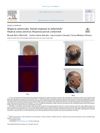
July 2019 in “Medicina Clínica (English Edition)” Tofacitinib partially improved hair regrowth in a patient with severe hair loss.
 November 2025 in “Reumatismo”
 The choice between belimumab and anifrolumab depends on the specific symptoms of the patient's lupus.
 2 citations
,
January 2023 in “Curēus”
2 citations
,
January 2023 in “Curēus” Low-dose naltrexone may help reduce redness in certain scalp conditions.
April 2017 in “Leukemia research” Tofacitinib helped most teenagers in the study regrow hair with mild side effects.
Anifrolumab improves quality of life and reduces steroid use in lupus patients.