Search
for
Sort by
Research
810-840 / 1000+ results
research Hair loss and herbs for treatment
Herbs can potentially treat hair loss by inhibiting a key enzyme and promoting hair growth, and deficiencies in zinc, biotin, and iron are linked to hair loss.
research The Near-Naked Hairless (Hr) Mutation Disrupts Hair Formation but Is Not Due to a Mutation in the Hairless Coding Region
The near-naked hairless mutation causes hair loss but is not due to a mutation in the hairless gene itself.
research Hair Loss in a Young Child
research Poly(rC) binding protein 2 acts as a negative regulator of IRES-mediated translation of Hr mRNA
A protein called PCBP2 controls the production of a hair growth protein by interacting with its genetic message and is linked to hair loss when this control is disrupted.

research Hair Transplantation
Hair transplantation can effectively restore hair in balding areas.
research Long‐Term Efficacy and Safety of Low‐Level Laser Therapy for Androgenetic Alopecia: A 12‐Month Prospective Trial
Low-level laser therapy is a safe and effective long-term treatment for hair loss, improving hair density and thickness.

research Clinical Evidence of Increase in Hair Growth and Decrease in Hair Loss without Adverse Reactions Promoted by the Commercial Lotion ECOHAIR®
ECOHAIR® lotion is effective and safe for improving hair growth and reducing hair loss.

research Faculty Opinions recommendation of Androgenetic alopecia and risk of prostate cancer: a systematic review and meta-analysis.
Hair loss at the top of the head is linked to prostate cancer, but other types of hair loss are not.

research Hair Are the Rankings—5-α Reductase Inhibitors and Minoxidil in Male Androgenetic Alopecia
Minoxidil and finasteride are FDA-approved treatments for male hair loss, but off-label use of oral minoxidil, dutasteride, and higher doses of finasteride and minoxidil is increasing.

research Androgenetic alopecia
Androgenetic alopecia, or common baldness, is the main cause of hair loss in men due to shrinking hair follicles from hormones, and it's normal but can be a problem if it's too much or too early.

research FC056 The ideal catagen of the hair
Blocking IL-1 could help treat some hair loss conditions; alopecia affects liver detox systems; spironolactone is better than finasteride for female hair growth; focusing on the catagen hair phase could lead to new alopecia treatments.

research BEARD—A Potential Donor Site in Grade 6 and Grade 7 Alopecia: A Case Series
Beard hair can be used for hair transplants in severe alopecia cases, with minimal complications and good results.

research Early Baldness in Males and Hormonal Changes
Young men with early baldness may have lower Luteinizing Hormone levels due to higher dihydrotestosterone, possibly linked to certain drugs or gland disorders.
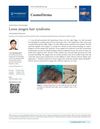
research Loose anagen hair syndrome
Loose anagen hair syndrome causes easily shed hair but usually improves with time.

research 5-alpha-reductase inhibitors are associated with reduced frequency of COVID-19 symptoms in males with androgenetic alopecia (vol 35, pg e243, 2021)
Men with hair loss who take a certain type of medication may experience fewer COVID-19 symptoms.
research Figure 8, The Hamilton-Norwood classification of male androgenetic Alopecia

research Lichen Planopilaris
Lichen planopilaris causes permanent hair loss and scarring due to damage to hair follicles and can be mistaken for other hair loss conditions.

research Hair Restoration
Hair loss is mainly caused by a testosterone byproduct, and hair restoration surgery uses hair from the back and sides of the scalp.
research The root causes of hair loss

research Hair Loss Therapeutics Drug Database
The database helps companies develop and understand hair loss treatments.

research Obliteration of alopecia by hair-lifting: a new concept and technique.
A new technique called hair-lifting was introduced to treat male-pattern baldness and can also give a partial face-lift.

research British Hair and Nail Society
Minoxidil was more effective than laser therapy for hair loss, and the report also highlighted the need for more research on PRP for a different hair loss condition, the impact of social media on alopecia views, and a warning on turmeric causing nail discoloration.
research Excluded at the Root: Health Insurance Discrimination Against Hair Loss Conditions

research Hair Loss Therapeutics Drug Database
The database helps companies develop and understand hair loss treatments.
research Infrared light returns hair to 'growing phase'
Infrared light therapy helps regrow hair.

research PARIETAL AND OCCIPITAL HAIR LOSS PATTERNS IN INITIAL STAGES OF ANDROGENIC ALOPECIA IN MEN
Early-stage male pattern baldness shows two types of hair loss: one on the top of the head linked to hormonal changes, and another at the back of the head. The top hair loss responds well to specific treatment, while the back hair loss does not.

research B‐ RAF , naevi and melanoma: a complex relationship
Male hair loss is mainly due to thinner hair, not less hair.
research Hair fall and its homoeopathic management
Homeopathic treatments can effectively manage hair loss and improve well-being.
research Clinicopathological insights into the phenotypic variation of autosomal recessive hypotrichosis/wooly hair by c.736T>A LIPH mutation
The conclusion is that the variation in hair thinness in patients is mostly due to the amount of underdeveloped hairs, and treatments that thicken fine hairs might work for those with mild to severe conditions.