 September 2020 in “University of Thi-Qar Journal of Medicine”
 Low iron and vitamin D3 levels might be major causes of hair loss in Iraqi women.
 2 citations
,
August 2020 in “Dermatologic Therapy”
2 citations
,
August 2020 in “Dermatologic Therapy” Low ferritin and zinc levels, as well as anemia, are linked to more severe hair loss in Egyptian children with chronic hair shedding.

Low ferritin and vitamin D levels are linked to hair loss.

Low ferritin and vitamin D levels are linked to hair loss, suggesting the need for personalized nutrition and diagnostics.
 35 citations
,
January 2013 in “International Journal of Trichology”
35 citations
,
January 2013 in “International Journal of Trichology” Kids with early graying hair often have low levels of calcium, ferritin, and vitamin D3.
 September 2021 in “Journal of the Egyptian Women's Dermatologic Society (Print)”
 The study concluded that low iron and vitamin D levels in women might play a role in chronic hair loss, despite no significant difference between those with and without hair loss.
 January 2021 in “Turkiye Klinikleri Journal of Dermatology”
 Many young men with hair loss have low levels of vitamin D and B12.
 10 citations
,
August 2021 in “Journal of Cosmetic Dermatology”
10 citations
,
August 2021 in “Journal of Cosmetic Dermatology” Most patients with telogen effluvium had low iron and vitamin D levels; iron supplements were commonly prescribed.
 January 2016 in “International Journal of Research in Medical Sciences”
 Low iron, low thyroid function, and stress are linked to excessive hair shedding in women.
March 2026 in “Skin Appendage Disorders” Telogen effluvium is linked to low ferritin and vitamin D levels.
August 2024 in “Zenodo (CERN European Organization for Nuclear Research)” Low vitamin D, ferritin, and zinc levels are linked to hair loss.
 207 citations
,
April 2006 in “Journal of The American Academy of Dermatology”
207 citations
,
April 2006 in “Journal of The American Academy of Dermatology” Iron deficiency may be related to hair loss, but there's not enough evidence to recommend iron screening or supplements for all hair loss patients.
 1 citations
,
May 2017 in “InTech eBooks”
1 citations
,
May 2017 in “InTech eBooks” Telogen Effluvium is a common hair loss condition that can be short-term or long-lasting and is often caused by stress, illness, or nutritional issues.
 19 citations
,
January 2016 in “Dermatology Research and Practice”
19 citations
,
January 2016 in “Dermatology Research and Practice” The study concluded that hair loss in Indian women is not significantly linked to anemia or thyroid problems, but checking thyroid function could help those with ongoing hair loss.
 17 citations
,
May 2018 in “Journal of Cosmetic Dermatology”
17 citations
,
May 2018 in “Journal of Cosmetic Dermatology” Most women in the study lost hair due to chronic shedding, with stress and nutrient deficiencies being common factors.
 27 citations
,
April 2005 in “Journal of Chemotherapy”
27 citations
,
April 2005 in “Journal of Chemotherapy” Some patients may experience temporary total hair loss from hepatitis C treatment with PEG-interferon and ribavirin.
 January 2019 in “Indian Dermatology Online Journal”
 Stress, hypothyroidism, drug intake, and anemia are important factors in women's diffuse hair loss.
 30 citations
,
October 2010 in “Journal of The American Academy of Dermatology”
30 citations
,
October 2010 in “Journal of The American Academy of Dermatology” The conclusion suggests a possible link between iron levels and hair health in women, recommending further research on iron supplementation for hair loss.
 January 2022 in “Indian journal of dermatopathology and diagnostic dermatology”
 Women with diffuse hair loss often have lower iron and vitamin D levels, but their thyroid function is typically normal.
 April 2026 in “Indian Dermatology Online Journal”
 Premature graying of hair is more common in males and linked to family history, smoking, hair plucking, and low levels of certain vitamins and minerals.
 January 2026 in “Dermatology Practical & Conceptual”
 Children with alopecia areata often have vitiligo, allergic asthma, ADHD, and low vitamin B12 and ferritin levels.
 July 2003 in “Journal of Cutaneous Medicine and Surgery”
 Blood pressure drugs can cause skin lupus, early treatment is key for baby herpes and diabetic foot ulcers, a certain vaccine works against genital herpes and HPV in women, more frequent light therapy helps psoriasis, smoking and drinking can worsen psoriasis, a cream clears up a type of skin cancer, and low iron levels don't cause chronic hair loss.
 July 2003 in “Journal of Cutaneous Medicine and Surgery”
 Stopping certain drugs can improve skin conditions, arsenicosis affects over half of a Bangladeshi village, males are more vulnerable, and certain treatments are effective for warts, acne, and psoriasis. Smoking and drinking are linked to psoriasis in men, a cream helps with a type of skin cancer, and low iron levels don't directly cause chronic hair loss in women.
 June 2025 in “International Journal of Science and Research (IJSR)”
 Low iron and vitamin D are common in young females with hair loss.
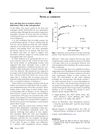 8 citations
,
February 2007 in “Journal of The American Academy of Dermatology”
8 citations
,
February 2007 in “Journal of The American Academy of Dermatology” Higher serum ferritin levels than currently used might be needed to rule out iron deficiency in women with hair loss.
47 citations
,
November 2010 in “Vox Sanguinis” Iron supplements helped female blood donors with low iron avoid anaemia and return to donate again.
Women with hair loss may benefit from higher iron levels.
 January 2026 in “Archives of Current Medical Research”
 Telogen effluvium is the most common hair loss in women, often linked to low iron, while tight hairstyles and headscarves increase traction alopecia risk.
 November 2003 in “Journal of Investigative Dermatology”
 Topical Imiquimod may fight vascular tumors by affecting blood vessels or the immune system, low iron might be linked to some hair loss, removing the top skin layer helps vitamin C get in, genetic testing helps diagnose skin conditions, and too much iron could worsen skin inflammation.
 40 citations
,
July 2015 in “Journal of Cellular Biochemistry”
40 citations
,
July 2015 in “Journal of Cellular Biochemistry” Cysteine helps maintain keratin production in skin cells even when iron is low.