 October 2022 in “Endocrine journal”
 Testosterone and dihydrotestosterone treatments can help with penile growth in males with 5α-reductase type 2 deficiency, with dihydrotestosterone being more effective in infancy.
 April 2021 in “Journal of evolution of medical and dental sciences”
 Women with PCOS have higher levels of certain androgens, which are good at predicting excess hair growth.
Eating healthy, exercising, and certain nutrients like myoinositol and omega-3s can help manage PCOS symptoms.

Low-Level Light Therapy improves quality of life more for women than men with hair loss.
 April 2019 in “Advances in Cosmetic Surgery”
 The document concludes that ongoing medical therapy is crucial for preventing hair loss, and surgical options can restore hair, with future treatments for hair loss being promising.
 October 2018 in “InTech eBooks”
 The most effective treatments for hair loss are minoxidil, finasteride, PRP, and hair transplants, with steroids and immunosuppressants for autoimmune types.
 January 2018 in “Springer eBooks”
 Lasers are less favored for hair transplant surgery but show promise for hair growth in controlled trials.

The conclusion is that a more comprehensive and precise approach is needed for diagnosing PCOS to address its broader health risks.
 April 2017 in “Journal of Investigative Dermatology”
 The PON1 192R gene variant is linked to a higher risk of psoriasis and heart disease in Western Mexico.
 January 2017 in “Springer eBooks”
 Over 40% of postmenopausal women experience hair loss, with treatments aiming to stop further loss and possibly thicken hair.
 January 2017 in “Clinical approaches and procedures in cosmetic dermatology”
 Men are increasingly seeking quick-result cosmetic treatments for their thicker, oilier skin and hair loss issues.
 January 2015 in “VetPharma”
 Alopecia X causes hair loss in young plush-coated dogs and can be treated with various therapies, but hair may regrow and then fall out again.

Keratin hydrogels from human hair show promise for tissue engineering and regenerative medicine.
 January 2011 in “Journal of Society of Cosmetic Chemists of Japan”
 18-MEA and SPDA can restore damaged hair's smoothness and reduce frizz.
 October 2010 in “Journal of Men's Health”
 The conclusion is that doctors should be careful when prescribing 5α-reductase inhibitors due to possible serious side effects, and they should discuss these risks with patients.
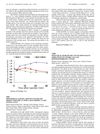 April 2010 in “The Journal of Urology”
 Human prostate cells produce more WISP1/CCN4 when there's not enough oxygen.
 October 2006 in “Aging Health”
 Dutasteride effectively treats benign prostatic obstruction, improves urinary flow, reduces prostate size, and may prevent prostate cancer, but can cause sexual side effects.
 September 2002 in “Dermatologic Surgery”
 The best results in surgical hair restoration come from careful techniques, optimal use of limited hair supply, correct hair direction, saving hair for key areas, understanding scarring effects, and adjusting hair graft density.
 June 2001 in “Proceedings of SPIE”
 Low energy laser therapy effectively treats certain skin conditions and improves recovery time without side effects.
 August 2015 in “Dermatologica Sinica”
 Men with severe hair loss may have poorer sperm quality.
 20 citations
,
October 2017 in “Clinical Endocrinology”
20 citations
,
October 2017 in “Clinical Endocrinology” The conclusion is that removing both ovaries is the best treatment for excess male hormones in postmenopausal women, with medication as another option, and managing insulin resistance is important for diagnosis and treatment.
Machine learning improves DNA predictions for eye and hair color, but challenges remain for skin tone and facial features.
 February 2018 in “Medicine - Programa De Formación Médica Continuada Acreditado”
 Minoxidil and finasteride are the main FDA-approved treatments for hair loss, with other methods showing promise but lacking strong evidence.

Female hair loss is often hereditary and can be treated with medication, hair transplants, and lasers.
 126 citations
,
April 2015 in “Clinical, cosmetic and investigational dermatology”
126 citations
,
April 2015 in “Clinical, cosmetic and investigational dermatology” Choosing the right patients, using proper techniques, and having thorough knowledge are key to preventing and managing dermal filler complications.
 70 citations
,
February 2021 in “International Journal of Molecular Sciences”
70 citations
,
February 2021 in “International Journal of Molecular Sciences” Fat-derived stem cells, platelet-rich plasma, and biomaterials show promise for healing chronic skin wounds and improving soft tissue with few side effects.
 28 citations
,
October 2004 in “Differentiation”
28 citations
,
October 2004 in “Differentiation” A gene deletion causes the "hairless" trait in Iffa Credo rats.
21 citations
,
June 1991 in “Journal of Inherited Metabolic Disease” Selenium deficiency caused symptoms in a child, which improved with selenium supplements.
 16 citations
,
April 2007 in “Journal of Obstetrics and Gynaecology Research”
16 citations
,
April 2007 in “Journal of Obstetrics and Gynaecology Research” Prostate-specific antigen may be a new marker for excess male hormones in women with polycystic ovary syndrome.
 11 citations
,
June 2020 in “Russian Open Medical Journal”
11 citations
,
June 2020 in “Russian Open Medical Journal” Lower ferritin and serum iron levels may be linked to melasma.