 16 citations
,
July 2018 in “Dermatologic Surgery”
16 citations
,
July 2018 in “Dermatologic Surgery” iL-PRF treatment improves hair growth for androgenetic alopecia.
 8 citations
,
June 2019 in “Scientific Reports”
8 citations
,
June 2019 in “Scientific Reports” Increased PPARGC1α relates to hair thinning in common baldness.
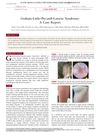 1 citations
,
January 2023 in “Journal of Drugs in Dermatology”
1 citations
,
January 2023 in “Journal of Drugs in Dermatology” Early detection of Graham-Little-Piccardi-Lasseur syndrome is key for better management.
 33 citations
,
October 2013 in “Journal of The American Academy of Dermatology”
33 citations
,
October 2013 in “Journal of The American Academy of Dermatology” Pioglitazone usually doesn't effectively treat or cure lichen planopilaris.
37 citations
,
November 2019 in “Journal of Microbiology and Biotechnology” Loliolide can boost hair growth by activating specific cell pathways.
June 2026 in “Dermatology” Frontal fibrosing alopecia has a higher remission rate than lichen planopilaris.
 September 2024 in “Archives of Dermatological Research”
 The light-guiding microneedle patch effectively stimulates hair growth in androgenetic alopecia without serious side effects.
 October 2023 in “Benha Journal of Applied Sciences”
 PPAR-γ may be a key target for treating alopecia areata and other skin conditions.
 7 citations
,
March 2022 in “Scientific reports”
7 citations
,
March 2022 in “Scientific reports” Removing anthrax toxin receptor 1 in pigs prevents Senecavirus A infection and causes a rare disease similar to GAPO syndrome.
November 2018 in “Journal of dermatology & cosmetology” The document reports the first case of a rare skin condition in Colombia, the 19th case worldwide.
December 2021 in “Figshare” BBS7 is essential for healthy gums by supporting cell function and blood flow.
1 citations
,
October 2023 in “BMC Genomics” miRNAs in the Dlk1-Gtl2 region may improve lamb fur quality.
September 2025 in “Development” Nelfb is crucial for forming skin fat tissue by regulating genes needed for fat cell development.
 49 citations
,
January 2003 in “Clinical and Experimental Dermatology”
49 citations
,
January 2003 in “Clinical and Experimental Dermatology” The document concludes that post-menopausal frontal fibrosing alopecia is a poorly understood condition that does not respond well to common treatments.
19 citations
,
September 2008 in “Journal of Cellular Physiology” Blocking EGFR can cause skin inflammation by disrupting IL-1 signaling.
July 2025 in “Frontiers in Pharmacology” G-1 promotes hair growth in female mice by activating specific signaling pathways.
3 citations
,
December 2024 in “Pediatric Dermatology” Lichen planopilaris can cause patchy hair loss in children and may respond to certain treatments.
57 citations
,
May 2016 in “Matrix Biology” Laminin α5 is essential for skin communication and health.
 29 citations
,
June 2018 in “Scientific Reports”
29 citations
,
June 2018 in “Scientific Reports” 15-lipoxygenase helps keep skin healthy by reducing inflammation.
July 2024 in “Journal of Investigative Dermatology” Substance P helps restore skin thickness and cell renewal when sensory nerves are reduced.
October 2025 in “Cell Death and Disease” CD271 is crucial for maintaining healthy skin and preventing inflammation.
 January 2018 in “Skin appendage disorders”
 A woman's hair loss was correctly diagnosed as Lichen planopilaris after initial misdiagnosis, highlighting the usefulness of trichoscopy in diagnosing hair disorders.
June 2023 in “British Journal of Dermatology” Facial lichen planopilaris may be triggered by shaving and mustard oil, and early detection is crucial for better treatment outcomes.
 June 2012 in “Faculty Opinions – Post-Publication Peer Review of the Biomedical Literature”
 Prostaglandin D2, found in higher levels in bald scalps, stops hair growth and could be a target for treating hair loss.
 7 citations
,
March 2020 in “PloS one”
7 citations
,
March 2020 in “PloS one” α-parvin is necessary for skin and hair growth and for the correct orientation of skin cells.
35 citations
,
November 2019 in “Journal of the American Academy of Dermatology” A new variant of lichen planopilaris causing diffuse hair thinning was identified.
3 citations
,
September 2024 in “Journal of Microbiology and Biotechnology” Human placenta extract reduces inflammation and symptoms in atopic dermatitis.
20 citations
,
August 2003 in “Clinical and Experimental Dermatology” A new genetic mutation in the hairless gene causes a rare hair loss disorder.
 15 citations
,
January 2019 in “Experimental Dermatology”
15 citations
,
January 2019 in “Experimental Dermatology” Lanyu pigs show that partial-thickness wounds can partially regenerate important skin structures, which may help improve human skin healing.
4 citations
,
May 2022 in “Genes & Diseases”