 16 citations
,
October 2014 in “Journal of the American Academy of Dermatology”
16 citations
,
October 2014 in “Journal of the American Academy of Dermatology” Oral retinoids may help some patients with hard-to-treat lichen planopilaris, but more research is needed.
19 citations
,
July 2017 in “Clinical and experimental dermatology” Men with lichen planopilaris had earlier onset than women, and treatment usually improved the condition.
7 citations
,
May 2025 in “Journal of Biomedical Science” Keratin 6A increases skin inflammation, suggesting it could be a target for treating certain skin diseases.
1 citations
,
May 2025 in “International Immunopharmacology” L-borneol helps skin wound healing by promoting stem cell differentiation.
35 citations
,
November 2019 in “Journal of the American Academy of Dermatology” A new variant of lichen planopilaris causing diffuse hair thinning was identified.
109 citations
,
April 1997 in “Journal of Lipid Research” Linoleate deficiency in rats reduces growth and n-6 polyunsaturate accumulation, causing mild symptoms.
3 citations
,
December 2024 in “Journal of Animal Science” LncRNA MSTRG.14227.1 hinders hair follicle development in cashmere goats, affecting cashmere quality.
September 2025 in “Development” Nelfb is crucial for forming skin fat tissue by regulating genes needed for fat cell development.
June 2020 in “The journal of investigative dermatology/Journal of investigative dermatology” Scientists found new and known long non-coding RNAs in mouse hair follicle stem cells that may be important for stem cell function and could be targets for cancer treatment.
March 2022 in “Journal of cosmetic dermatology” Botanical extracts can help treat hair loss in people with certain genetic conditions.
 January 2025 in “Medical Research Archives”
 Low-level laser therapy can help with inflammation but isn't widely accepted yet.
47 citations
,
September 2012 in “Human molecular genetics online/Human molecular genetics” Folliculin deficiency causes problems with cell division and positioning due to disrupted RhoA signaling and interaction with p0071.
3 citations
,
September 2022 in “European Journal of Dermatology” Gene sequencing is crucial for diagnosing Junctional epidermolysis bullosa.
April 2025 in “Journal of Diabetes & Metabolic Disorders” Monitoring TGF-β and linc-PINT expression may help identify and treat high-risk heart arrhythmia patients.
 6 citations
,
June 2018 in “Journal of pediatric endocrinology & metabolism/Journal of pediatric endocrinology and metabolism”
6 citations
,
June 2018 in “Journal of pediatric endocrinology & metabolism/Journal of pediatric endocrinology and metabolism” Patients with the same genetic mutation for vitamin D-resistant rickets showed different symptoms but all improved with treatment except for hair loss.
 1 citations
,
September 2016 in “Dermatologic Surgery”
1 citations
,
September 2016 in “Dermatologic Surgery” New hair loss subtype found, mimics common baldness.
 August 2019 in “Journal of The American Academy of Dermatology”
 RV3466F lotion significantly reduces hair loss and improves acute telogen effluvium.
1 citations
,
May 2022 in “International journal of molecular sciences” Faulty LEF1 activation causes faster skin cell differentiation in premature aging syndrome.
 July 2024 in “New Phytologist”
 PDF2 senses specific lipids and regulates root growth and gene expression in Arabidopsis.
 4 citations
,
April 2021 in “Frontiers in Immunology”
4 citations
,
April 2021 in “Frontiers in Immunology” Different types of RNAs are found in varying amounts in patients with Polycystic Ovary Syndrome, suggesting they could be important in the disease's development and potentially used as disease markers.
3 citations
,
March 2016 in “Experimental Dermatology” A mutation in the hairless gene speeds up severe itchy skin in mice on a special diet.
May 2010 in “Europe PMC (PubMed Central)” Near-infrared probes can safely and effectively image cysteine protease activity for disease diagnosis.
 7 citations
,
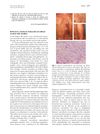
June 2010 in “Journal of The American Academy of Dermatology”
7 citations
,
June 2010 in “Journal of The American Academy of Dermatology” Tranilast successfully treated a man's skin sarcoidosis when other treatments failed.
 14 citations
,
January 2020 in “Korean Journal of Family Medicine”
14 citations
,
January 2020 in “Korean Journal of Family Medicine” Early diagnosis of leprosy is crucial to prevent disabilities and spread, even in non-endemic areas.
42 citations
,
May 1997 in “The Journal of Biochemistry” PAD type III enzyme is specific to rat skin and hair follicles.
 January 2006 in “Advances in developmental biology”
 The Hairless gene is crucial for healthy skin and hair growth.
 April 2021 in “International Journal of Research in Dermatology”
 A child with a rare scalp condition regrew hair after treatment.
 8 citations
,
September 2002 in “Genes to Cells”
8 citations
,
September 2002 in “Genes to Cells” Killing specific cells in hair follicles can lead to hair growth problems in mice.
41 citations
,
April 2009 in “Journal of comparative neurology” P2X3-IR fibers are widespread in rat skin and likely help detect pain.
 3 citations
,
April 2012 in “Bioinformation”
3 citations
,
April 2012 in “Bioinformation” Two specific SNPs in the TRPS1 gene cause excessive hair growth by altering the protein's structure.