 October 2024 in “International Journal of Biology Pharmacy and Allied Sciences”
 Herbal treatments are gaining interest as alternatives for hair loss.
 November 2018 in “Springer eBooks”
 Finasteride and minoxidil are effective, low-risk treatments for male hair loss, and patient education on these therapies is important.
 January 2014 in “Journal of Pigmentary Disorders”
 Women's hair gets thinner and grayer as they age, with treatments available for hair loss and graying.
 November 2020 in “Skin Research and Technology”
 Videodermoscopy better identifies female hair loss than clinical diagnosis.
 September 2010 in “Advances in Dermatology and Allergology/Postępy Dermatologii i Alergologii”
 TrichoScan is reliable for counting and measuring hair density but may not accurately assess hair types in women with hair loss.
 1265 citations
,
October 2013 in “The Journal of Clinical Endocrinology and Metabolism”
1265 citations
,
October 2013 in “The Journal of Clinical Endocrinology and Metabolism” The guideline suggests using specific criteria to diagnose PCOS, recommends various treatments for its symptoms, and advises screening for related health issues.
 144 citations
,
August 2019 in “Cells”
144 citations
,
August 2019 in “Cells” The WNT signaling pathway is important in many diseases and targeting it could offer new treatments.
 47 citations
,
May 2020 in “Cardiovascular Research”
47 citations
,
May 2020 in “Cardiovascular Research” The document concludes that future heart disease research should account for sex-specific differences to improve diagnosis, treatment, and outcomes.
 47 citations
,
August 2000 in “Endocrine Reviews”
47 citations
,
August 2000 in “Endocrine Reviews” The document concludes that more research is needed to understand excessive hair growth in women with normal hormone levels and regular ovulation.
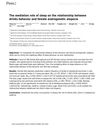
Drinking sweetened tea and late bedtimes increase the risk of hair loss in women.
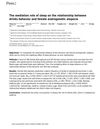
Drinking sweetened tea and poor sleep habits increase the risk of hair loss in women.
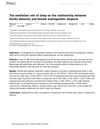
Drinking sweetened tea and poor sleep habits may increase the risk of hair loss in women.
Drinking sweetened tea and late bedtimes increase the risk of hair loss in women.
Drinking sweetened tea and poor sleep increase the risk of hair loss in women.
 June 2022 in “International Journal of Health Sciences (IJHS)”
 Understanding proteins linked to PCOS symptoms can improve diagnosis and treatment.
 March 2021 in “Uludağ Üniversitesi Tıp Fakültesi dergisi”
 The review provided information on various treatments to stop hair thinning and increase hair density in people with common genetic hair loss.
7 citations
,
August 2003 in “Der Hautarzt” January 2010 in “Springer eBooks” 
Combining PRP with low-level laser therapy is better for hair growth than PRP alone.
 October 2020 in “Springer eBooks”
 Hair restoration has evolved to use follicular units for more natural results, moving away from older methods like large plug grafts and scalp reductions.
 February 2011 in “Vestnik dermatologii i venerologii”
 Women of child-bearing age with androgenic alopecia lose hair density, especially in certain areas, and their hair becomes thinner. They also lose more than twice as much hair as healthy women.
January 2022 in “Springer eBooks” 6 citations
,
January 2004 in “Der Hautarzt” 1 citations
,
January 2000  January 2014 in “Cosmoderma”
 The document concludes that personalized treatment plans for hair loss in Asian men are necessary and more research is needed to develop effective guidelines.
January 2009 in “Gynäkologische Endokrinologie” Minoxidil solution can effectively treat hair thinning in women.
 May 2021 in “The Journal of clinical and aesthetic dermatology”
 Most women with hair loss using 5% topical Minoxidil are satisfied with the treatment, but hair loss still affects their daily habits and social life.

Drinking sweetened tea and soda and poor sleep may increase the risk of hair loss in women.