 December 2013 in “Macedonian Journal of Medical Sciences”
 Ovarian steroid cell tumors should be considered in adults with hirsutism and high testosterone, with surgery as the main treatment.
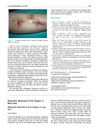 November 2012 in “Actas Dermo-Sifiliográficas”
 An 86-year-old man had a rare tongue melanoma but refused treatment, showing the need for early cancer detection and treatment.
 March 2012 in “Pathy's Principles and Practice of Geriatric Medicine”
 Older adults often have skin problems due to aging, and treating these conditions requires attention to both physical and mental health.
 January 2012 in “Postgraduate obstetrics & gynecology”
 Up to 50% of women may experience significant hair loss by age 50, with various causes and treatments available.
 July 2011 in “British Journal of Dermatology”
 Dermatologists give better information on pathology forms, hypersensitivity vasculitis is a common skin issue, misdiagnoses can occur, and various skin conditions are linked to loss of elastin or genetic factors.
 June 2011 in “The Journal for Nurse Practitioners”
 Up to half of adult women may experience hair loss, and doctors should use medical history, exams, and tests to find the cause and treat it.
 May 2009 in “The American Journal of Dermatopathology”
 Mast cells play a significant role in hair loss conditions like male pattern hair loss and alopecia areata.
 January 2009 in “Springer eBooks”
 The document concludes that managing skin conditions during pregnancy is important and requires specialized care.
 June 2008 in “Springer eBooks”
 The document concludes that permanent hair loss conditions are complex, require early specific treatments, and "secondary permanent alopecias" might be a more accurate term than "secondary cicatricial alopecia."
 January 2007 in “Elsevier eBooks”
 Alopecia areata is a reversible, autoimmune-related hair loss that can have significant emotional impact and uncertain treatment effectiveness.
 July 2003 in “British Journal of Dermatology”
 Some skin conditions are associated with other serious diseases, and office microscopy may miss many fungal infections.
 May 2003 in “Facial Plastic Surgery Clinics of North America”
 Hair loss can be treated with medications like minoxidil and finasteride or surgery, but treatment effectiveness varies by alopecia type and accurate diagnosis is important.
 May 2002 in “British Journal of Dermatology”
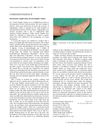
 A pregnant woman's skin condition improved after giving birth, possibly due to high estrogen levels during pregnancy.
 July 1997 in “Journal of Cutaneous Medicine and Surgery”
 Finasteride significantly increases scalp hair and prevents hair loss in young and middle-aged men.
 June 1996 in “Irish Journal of Medical Science (1971 -)”
 The document summarizes medical findings on topics like heart rhythm treatment, sleep apnea therapy, and various health conditions and treatments.
 May 1991 in “Current problems in dermatology”
 Skin issues can indicate immune system problems.
 April 1955 in “Archives of pediatrics & adolescent medicine”
 Children's skin diseases need special care and treatment.
 June 2020 in “Journal of Evolution of medical and Dental Sciences”
 Platelet Rich Plasma (PRP) treatment effectively reduces hair fall and increases hair growth in patients with Androgenetic Alopecia (AGA), but it may cause pain.
 May 2004 in “Pediatric Dermatology”
 Atopic dermatitis may have genetic causes and can be treated with pharmacologic methods, glycerin creams, and controlling Staphylococcus aureus colonization.
 May 2002 in “British Journal of Dermatology”
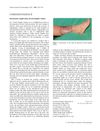
 Hair loss caused by longer latent hair cycle and sudden miniaturization, not gradual follicle size reduction.
 34 citations
,
April 2009 in “Expert Opinion on Pharmacotherapy”
34 citations
,
April 2009 in “Expert Opinion on Pharmacotherapy” Some treatments work for common baldness, but there's less evidence for other hair loss types, and more research is needed.
 13 citations
,
December 2017 in “Archives of Medical Sciences”
13 citations
,
December 2017 in “Archives of Medical Sciences” Rivaroxaban can cause liver injury, allergic reactions, blood vessel inflammation, and hair loss, but these side effects are rare.
 13 citations
,
June 2013 in “Actas Dermo-Sifiliográficas”
13 citations
,
June 2013 in “Actas Dermo-Sifiliográficas” Syphilitic alopecia, linked to syphilis and high-risk sexual behavior, improves with penicillin treatment.
 12 citations
,
May 2019 in “Stem cell reviews”
12 citations
,
May 2019 in “Stem cell reviews” Fetal-maternal stem cells in a mother's hair can help with tissue repair and regeneration long after childbirth.
 2 citations
,
October 2015 in “Primary Care: Clinics in Office Practice”
2 citations
,
October 2015 in “Primary Care: Clinics in Office Practice” Doctors should diagnose hair loss by examining the patient and possibly doing tests, and then treat it based on the type, which may prevent permanent hair loss.
 2 citations
,
September 2011 in “Pediatric Dermatology”
2 citations
,
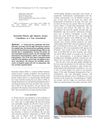
September 2011 in “Pediatric Dermatology” The document suggests there might be a link between Kawasaki Disease and Alopecia Areata that needs more research.
 1 citations
,
January 2015 in “Springer eBooks”
1 citations
,
January 2015 in “Springer eBooks” The document says a skin condition called alopecia areata causes hair loss and stress, and is treated with strong skin creams, injections, or other therapies, but treatment success varies.
 December 2024 in “Kahramanmaraş Sütçü İmam Üniversitesi Tıp Fakültesi Dergisi”
 Both treatments are safe and effective, but anthralin may work better for some patients.
Higher EULAR/ACR scores in SLE patients predict more organ damage.
 July 2022 in “International Journal of Research in Dermatology”
 Some children with COVID-19 develop skin symptoms linked to a severe inflammatory condition.