 2 citations
,
January 2011 in “Dermatologica Sinica”
2 citations
,
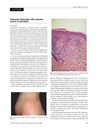
January 2011 in “Dermatologica Sinica” Taiwan reported its first case of a rare scalp condition with no clear cause or treatment.
 1 citations
,
January 2015 in “Springer eBooks”
1 citations
,
January 2015 in “Springer eBooks” The document says a skin condition called alopecia areata causes hair loss and stress, and is treated with strong skin creams, injections, or other therapies, but treatment success varies.
 November 2023 in “The Bovine practitioner”
 A bull got very sick and had to be put down after eating hairy vetch for months.
 May 2018 in “White Rose eTheses Online (University of Leeds, The University of Sheffield, University of York)”
 Alopecia areata may be treated by using EGCG to balance immune cells and reduce inflammation.
 November 2013 in “Dalhousie Medical Journal”
 Cutaneous lupus erythematosus is a common skin condition in lupus, affecting mostly young adult females.
 October 2003 in “Journal of Investigative Dermatology Symposium Proceedings”
 Mice treatments didn't grow hair, a patient treatment may affect immune response, and people with hair loss often feel anxious or depressed.
 28 citations
,
January 2014 in “Indian Journal of Dermatology, Venereology and Leprology”
28 citations
,
January 2014 in “Indian Journal of Dermatology, Venereology and Leprology” Chinese patients with primary cicatricial alopecia often have folliculitis decalvans, benefit from treatment, but may experience relapse, with dermoscopy being a useful diagnostic tool.
 April 2021 in “The journal of investigative dermatology/Journal of investigative dermatology”
 6.1% of patients seeking PRP for hair loss had undiagnosed cicatricial alopecia, which PRP cannot treat.
 January 2017 in “Springer eBooks”
 The document concludes that Cutaneous Lupus Erythematosus has different forms, is influenced by genetic and environmental factors, and can be treated with various medications, but more targeted therapies are needed.
 6 citations
,
January 2019 in “Medical Hypotheses”
6 citations
,
January 2019 in “Medical Hypotheses” Frontal Fibrosing Alopecia might be an autoimmune disease.
 15 citations
,
March 2015 in “Australasian Journal of Dermatology”
15 citations
,
March 2015 in “Australasian Journal of Dermatology” Seborrhoeic dermatitis may cause a condition called "seborrhoeic folliculitis," leading to chronic scalp inflammation and scarring hair loss.
 127 citations
,
December 2005 in “Experimental Dermatology”
127 citations
,
December 2005 in “Experimental Dermatology” Stress can stop hair growth in mice, and treatments can reverse this effect.
 23 citations
,
October 2018 in “Australasian Journal of Dermatology”
23 citations
,
October 2018 in “Australasian Journal of Dermatology” The current understanding of frontal fibrosing alopecia involves immune, genetic, hormonal factors, and possibly environmental triggers, but more research is needed for effective treatments.
 131 citations
,
August 2000 in “International Journal of Dermatology”
131 citations
,
August 2000 in “International Journal of Dermatology” Inflammation may be linked to hair loss, and targeting specific enzymes could help treat it.
 23 citations
,
November 2018 in “Journal of the European Academy of Dermatology and Venereology”
23 citations
,
November 2018 in “Journal of the European Academy of Dermatology and Venereology” The study concluded that severity of Frontal fibrosing alopecia is not linked to how long someone has it, can start before menopause, and eyebrow loss may be an early sign.
 13 citations
,
January 2016 in “Journal of cosmetology & trichology”
13 citations
,
January 2016 in “Journal of cosmetology & trichology” Alternative treatments show promise for hair growth beyond traditional methods.
 9 citations
,
July 2002 in “Journal of the European Academy of Dermatology and Venereology”
9 citations
,
July 2002 in “Journal of the European Academy of Dermatology and Venereology” The document concludes that fexofenadine reduces inflammation in chronic hives, cholestyramine helps half of pregnant women with itchy rashes, and relaxing incisions are a good alternative in facial surgery for the elderly.
 4 citations
,
June 2002 in “Clinical and experimental dermatology”
4 citations
,
June 2002 in “Clinical and experimental dermatology” Effective treatment for hidradenitis suppurativa varies, with antibiotics commonly used and surgery as an option, but no single method is universally successful.
 1 citations
,
January 2020 in “Skin appendage disorders”
1 citations
,
January 2020 in “Skin appendage disorders” Finasteride may help treat frontal fibrosing alopecia, but more research is needed.

Lichen planopilaris can occur with multiple autoimmune diseases.
 May 2023 in “Tạp chí Da liễu học Việt Nam”
 Histopathological examination is essential for diagnosing alopecia areata.
 October 2021 in “The Egyptian Journal of Hospital Medicine ”
 Combination therapies work better than single treatments for atrophic acne scars.
 April 2021 in “BMJ Case Reports”
 Accurate diagnosis of pseudolymphomatous folliculitis is crucial to avoid mistaking it for more serious conditions.
 January 2018 in “Advances in Dermatology and Allergology”
 Treatment with dapsone, topical corticosteroids, and antibiotics improved the man's skin conditions.
 January 2012 in “Yearbook of Dermatology and Dermatologic Surgery”
 Some African American women experience central scalp hair loss, often linked to a history of fungal scalp infection.

Afro-textured hair is more fragile and prone to certain scalp conditions, requiring careful treatment and more research for effective management.
 2 citations
,
January 2011 in “Elsevier eBooks”
2 citations
,
January 2011 in “Elsevier eBooks” Early treatment of acne is crucial to prevent scarring and psychological effects.
 72 citations
,
February 2011 in “The American Journal of Dermatopathology”
72 citations
,
February 2011 in “The American Journal of Dermatopathology” Anti-TNF therapy can cause a unique type of hair loss that may get better with topical treatments without stopping the therapy.
 20 citations
,
October 2013 in “British Journal of Dermatology”
20 citations
,
October 2013 in “British Journal of Dermatology” The document concludes that clinicians should be aware of common hair and scalp disorders in women of African descent and that more research is needed to develop effective treatments.
 16 citations
,
January 2013 in “Indian Journal of Dermatology, Venereology and Leprology”
16 citations
,
January 2013 in “Indian Journal of Dermatology, Venereology and Leprology” New treatments and early diagnosis methods for permanent hair loss due to scar tissue are important for managing its psychological effects.