35 citations
,
May 2006 in “Journal of Investigative Dermatology” Monilethrix involves multiple genes affecting hair structure, including DSG4 mutations.
 January 2024 in “International Journal of Cosmetic Science”
 A new method using 1,4-n-butylene dimaleate effectively repairs and strengthens damaged hair.
August 2024 in “Latin American Journal of Development” 5α-reductase enzymes are crucial in certain disorders, and while treatment advances exist, more research on SRD5A3 is needed.
January 2016 in “Zurich Open Repository and Archive (University of Zurich)” Dietary L-serine supplementation can reduce symptoms of HSAN1 by lowering harmful 1-deoxySL levels.
 11 citations
,
January 2017 in “Journal of Endocrinology/Journal of endocrinology”
11 citations
,
January 2017 in “Journal of Endocrinology/Journal of endocrinology” Female mice with disrupted 5α-reductase 1 had significant metabolic issues, including stress response problems, insulin resistance, liver fat buildup, and obesity.
 85 citations
,
July 2002 in “Pigment Cell Research”
85 citations
,
July 2002 in “Pigment Cell Research” The article concludes that while we understand a lot about how melanocytes age and how this can prevent cancer, there are still unanswered questions about certain pathways and genes involved.
February 2023 in “Medicine in novel technology and devices” Microneedles with traditional Chinese medicine can help regrow hair in androgenic alopecia.
 34 citations
,
June 2011 in “Alcoholism: Clinical and Experimental Research”
34 citations
,
June 2011 in “Alcoholism: Clinical and Experimental Research” Three drugs change mice's alcohol drinking patterns by affecting GABAA receptors.
 December 2023 in “American journal of medical genetics. Part A”
 A new syndrome was linked to two new genetic changes in the MBTPS1 gene in a 14-year-old girl.
53 citations
,
February 2015 in “Journal of Investigative Dermatology” Ceramide Synthase 4 is essential for normal hair growth and preventing hair loss.
 August 2025 in “Frontiers in Microbiology”
 Microneedling, especially with halometasone, improves hair regrowth and gut health in alopecia areata.
10 citations
,
December 2015 in “Experimental dermatology” EGFR helps mouse hair follicles stop growing by reducing certain growth regulators.
 August 2019 in “Journal of The American Academy of Dermatology”
 5% minoxidil foam effectively regrows hair in women, with postmenopausal women seeing the most improvement.
 14 citations
,
July 2010 in “Experimental Dermatology”
14 citations
,
July 2010 in “Experimental Dermatology” A new mutation in the HR gene causes hair loss in a specific family.
 February 2011 in “Expert Review of Dermatology”
 Researchers found potential new targets for treating melanoma and nonmelanoma skin cancers, and identified a possible cause and treatment for male pattern baldness and eczema.
 1 citations
,
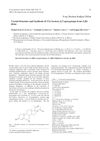
January 2009 in “X-ray Structure Analysis Online”
1 citations
,
January 2009 in “X-ray Structure Analysis Online” A new compound was made that might help treat diseases related to male hormones.
 147 citations
,
September 2006 in “Developmental Cell”
147 citations
,
September 2006 in “Developmental Cell” Too much Smad7 changes skin and hair development by breaking down a protein called β-catenin, leading to more oil glands and fewer hair follicles.
 34 citations
,
February 1999 in “Journal of Dermatological Science”
34 citations
,
February 1999 in “Journal of Dermatological Science” Minoxidil boosts enzymes that help hair growth.
2 citations
,
January 2018 in “Indian Journal of Psychiatry/Indian journal of psychiatry” Methylphenidate can cause hair loss, which stops when the drug is discontinued.
 12 citations
,
April 2014 in “Molecular Medicine Reports”
12 citations
,
April 2014 in “Molecular Medicine Reports” Targeting specific miRNAs may help treat hair follicle issues caused by hydrogen peroxide.
 December 2023 in “International Journal of Biological Macromolecules”
 Chitosan nanoparticles loaded with Minoxidil were effective for hair growth but released the drug more slowly than the amphiphilic derivative.
 3 citations
,
March 2017 in “Regulatory toxicology and pharmacology”
3 citations
,
March 2017 in “Regulatory toxicology and pharmacology” Aleglitazar and its major metabolite are safe enough to proceed to Phase 3 clinical trials.
 December 2023 in “Redox biology”
 The substance DMC helps get rid of aging cells by triggering a process that causes cell death, which could treat age-related diseases.
November 2024 in “Journal of Investigative Dermatology” Serotonin helps wounds heal faster.
82 citations
,
December 2011 in “Journal of Biological Chemistry” p63 is essential for skin cell growth and differentiation by controlling specific gene networks.
22 citations
,
July 2016 in “Cellular and Molecular Life Sciences” Genetic changes in mice help understand skin and hair disorders, aiding treatment development for acne and hair loss.
 63 citations
,
September 1987 in “Journal of Biological Chemistry”
63 citations
,
September 1987 in “Journal of Biological Chemistry” Minoxidil slows fibroblast growth and collagen production, potentially treating keloids, hypertrophic scars, and connective tissue disorders.
Deleting the MAD2L1 gene is tolerated in certain mouse cancer models.
5 citations
,
January 1985 in “Annals of Nutrition and Metabolism” Methionine intake changes tooth germ development in newborn rats.
 36 citations
,
February 2017 in “BMC Complementary and Alternative Medicine”
36 citations
,
February 2017 in “BMC Complementary and Alternative Medicine” Geranium sibiricum extract helps hair grow and is more effective than minoxidil but can be toxic in high concentrations.