IL-1 and IL-7 help activate cells that boost hair follicle stem cell growth, aiding wound healing.
Vismodegib effectively treats advanced basal cell carcinoma but requires careful management of serious side effects.
 August 2017 in “DOAJ (DOAJ: Directory of Open Access Journals)”
 The complex treatment for hair loss was found to be effective.
IL-1 signaling is crucial for hair follicle stem cell growth and wound healing.
 May 2017 in “Journal of The American Academy of Dermatology”
 A woman with a skin disorder was found to have hepatitis C, which may be linked, and was safely treated with methotrexate.

Crinum asiaticum extract and norgalanthamine may promote hair growth by blocking an enzyme linked to hair loss and a pathway that stops hair growth.
 January 2017 in “Qucosa (Saxon State and University Library Dresden)”
 Plasma protein binding significantly affects glucocorticosteroid concentration in blood, saliva, and hair.
 December 2016 in “The European health psychologist”
 Women with PCOS need more support to cope with isolation, helplessness, and grief, and to build resilience.
 December 2016 in “The Journal of Sexual Medicine”
 Short-acting testosterone injections in a clinic are a preferred treatment for low testosterone because they work well, are convenient, and patients stick with the treatment.
January 2016 in “Refubium (Universitätsbibliothek der Freien Universität Berlin)” CAP7.1 is generally safe at 200 mg/m²/day, but can cause fatigue, nausea, hair loss, fever, and blood-related issues.
 January 2016 in “Chemistry & Industry”
 Two drugs, tofacitinib and ruxolitinib, may help regrow hair by activating hair follicles.
 May 2015 in “Journal of The American Academy of Dermatology”
 The research shows a potential way to regenerate hair using adult cells that have been grown and guided to produce new hair fibers.
Hormonal treatments can help with hair loss, acne, and excess hair growth, but it takes 3-6 months to see results and patients should know the possible side effects.
 December 2014 in “PubMed”
 A scalp biopsy can help confirm hair loss types when other methods don't provide a clear diagnosis.
 May 2014 in “Journal of The American Academy of Dermatology”
 Patients with nonmelanoma skin cancers are most bothered by fear of progression, appearance concerns, and having cancer.
 January 2014 in “Elsevier eBooks”
 The study concluded that genetic mutations affect human hair diseases and identified key genes and pathways involved in hair growth and cycling.

Some cancer treatments cause different types of hair loss, but scalp cooling can help prevent it.

The bar-cartridge type implanter is the best for implanting dermal papilla cells efficiently and at controlled depths.
 March 2013 in “DOAJ (DOAJ: Directory of Open Access Journals)”
 Minoxidil and finasteride are effective long-term treatments for male hair loss.
Activating CB1 can reduce keratin levels, potentially helping manage psoriasis and aid wound healing.
Activating cannabinoid receptor 1 may help manage psoriasis by reducing certain keratins.
 January 2013 in “Journal of Siberian Medical Sciences”
 Deer antler products improved hair growth and thickness for people with hair loss.
October 2012 in “International journal of child health and human development” Adolescents often face skin issues like impetigo, acne, and dermatitis, which can be managed with proper treatments.
January 2012 in “Journal of Clinical Medicine in Practice” The treatment is safe and effective for elderly patients with advanced non-small-cell lung cancer.
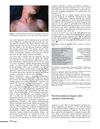
A boy on a ketogenic diet and anti-epileptic drugs developed skin issues due to stopping vitamin supplements, which improved with proper supplementation.
Onychomatricoma is a unique nail tumor, not related to other hair-related tumors.
Yak hair stretches mainly due to macromolecules slipping past each other.
May 2008 in “Texas ScholarWorks (Texas Digital Library)” Vertical mergers can lead to collusion, advertising often peaks then declines, and incumbents can disrupt new competitors.
 September 2006 in “Plastic and Reconstructive Surgery”
 The SGAP flap effectively treats large sacral pressure sores with good results and minimal complications.
February 2006 in “DOAJ (DOAJ: Directory of Open Access Journals)” Alopecia areata treatments include immune inhibitors, topical sensitizers, irritants, and minoxidil, with future focus on immunosuppressive approaches.