Search
for
Sort by
Research
30-60 / 1000+ results
research Colchicine in Managing Skin Conditions: A Systematic Review
Colchicine might help treat different skin diseases, but more research is needed to confirm its effectiveness and safe dosage.
research Computational Screening of Repurposed Drugs Targeting Sars-Cov-2 Main Protease By Molecular Docking
Danoprevir, remdesivir, and saridegib may effectively inhibit SARS-CoV-2.
research Forsythiasides: A review of the pharmacological effects
Forsythiasides have multiple health benefits but may cause pseudoallergic reactions, and more research is needed.
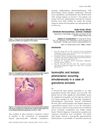
research Isomorphic and isotopic phenomenon occurring simultaneously in a case of granuloma annulare
A patient with granuloma annulare experienced both isotopic and isomorphic responses, with skin lesions responding to steroids but relapsing after stopping treatment.

research Granuloma Annulare Mimicking Alopecia Mucinosa in a Child: An Atypical Presentation
Biopsy is crucial to correctly diagnose granuloma annulare, which can mimic other conditions like alopecia mucinosa.
research Generalized granuloma annulare: A therapeutic challenge. Our experience in 12 patients
Treating generalized granuloma annulare is difficult, with PUVA being the most effective option, but relapses are common.
research Complexo granuloma eosinofílico felino: Relato de caso
The cat's skin condition improved significantly with medication, with no relapse.
research BH10 Granulomatous scarring alopecia associated with rheumatoid arthritis: a case report with distinct folliculocentric granulomas histologically mimicking granulomatous alopecia areata
A woman with rheumatoid arthritis had a unique type of scarring hair loss not caused by infection, requiring early treatment to avoid permanent hair loss.

research Dermoscopy of annular elastolytic giant cell granuloma
Dermoscopy helped diagnose a rare skin disease which slightly improved with treatment.
research Superficial granulomatous pyoderma: A localized vegetative form of pyoderma gangrenosum
Superficial granulomatous pyoderma is a unique, mild form of skin disease that often heals without strong medication and responds well to milder treatments.
research Alopecia areata after mogamulizumab treatment
Mogamulizumab can cause hair loss and skin rashes.
research Delayed granulomatous eruption of the nose associated with ruxolitinib
Ruxolitinib can cause a delayed skin reaction on the nose.
research Antimalarial therapy for granuloma annulare: Results of a retrospective analysis
Antimalarial drugs, especially chloroquine, can effectively treat granuloma annulare.
research Granulomatous alopecia areata is a valid but rare histologic subset of a common disease
Granulomatous alopecia areata is a rare but real form of hair loss.
research A 32‐year‐old woman with arthralgias and severe hypotension
Aggressive immunosuppressive treatment improved a woman's severe heart condition linked to autoimmune disease.
research Folliculitis decalvans and orofacial granulomatosis
Treatment with dapsone, topical corticosteroids, and antibiotics improved the man's skin conditions.
research Cytologic Aspect of Keratoacanthoma with Granulomatous Inflammation in a Dog
The dog's back mass was a keratoacanthoma with inflammation, successfully removed without recurrence.
research Granulomatous Inflammation in Alopecia Areata: A Diagnostic Pitfall
Granulomatous inflammation in alopecia areata is rare and needs careful diagnosis to avoid confusion with other conditions.
research Methotrexate treatment of generalized granuloma annulare: a retrospective case series
Methotrexate improved skin condition in 64% of patients with generalized granuloma annulare.
research Resolution of refractory generalized granuloma annulare after treatment with alitretinoin
Alitretinoin helped clear up a skin condition called generalized granuloma annulare in an elderly man.
research Molluscum Contagiosum in an Epidermoid Cyst
Molluscum contagiosum can occur in epidermoid cysts, especially with prolonged steroid use.
research Mucinosis folicular. Reporte de un caso pediátrico
Follicular mucinosis in a 15-year-old is usually harmless but needs monitoring for possible lymphoma.
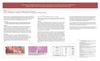
research A Case Report of Granuloma Faciale of the Scalp Arising in the Setting of Advanced Androgenetic Alopecia With a Review of Extrafacial Granuloma Faciale Occurring on the Scalp
Granuloma faciale can occur on the scalp, especially in people with advanced hair loss, and may improve with treatment.
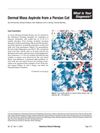
research Dermal Mass Aspirate from a Persian Cat
The Persian cat has a skin infection caused by a fungus, treatable with antifungal medication.
research Pathologic Quiz Case: A 69-Year-Old Man With a Brown-Black Facial Papule
A rare benign skin growth called melanocytic matricoma was identified in a 69-year-old man.
research 0196 Levamisole-induced pyoderma gangrenosum case report
research Residents’Corner: Multiple Pyogenic Granuloma-like Lesions Following Hair Transplantation
A man developed unusual growths after a hair transplant, which were treated successfully with no recurrence after a month.
research Granulomatous Alopecia: A Variant of Alopecia Areata?
Granulomatous alopecia may be a distinct subtype of alopecia areata.
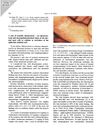
research A case of systemic mastocytosis - an ultrastructural and immunohistochemical study of the dermal mast cells in relation to activation of the epidermal melanin unit
Prednisone reduces organ mast cell infiltration but does not alter the abnormal appearance of mast cells in systemic mastocytosis.