 9 citations
,
November 2013 in “Presse Medicale”
9 citations
,
November 2013 in “Presse Medicale” The document concludes that managing female hyperandrogenism requires a combination of identifying the cause, lifestyle changes, medication, and cosmetic treatments.
 117 citations
,
May 2017 in “Human Reproduction Update”
117 citations
,
May 2017 in “Human Reproduction Update” The update highlights that non-classic congenital adrenal hyperplasia is common in women with excess male hormones, requires specific hormone tests for diagnosis, and has various treatment options depending on age and symptoms.

Hair loss is common in the studied community, often linked to aging and hair care practices like braids, weaves, and chemical relaxers.
 1 citations
,
January 2018 in “Journal of SAFOMS”
1 citations
,
January 2018 in “Journal of SAFOMS” A rare ovarian tumor can cause unusual male-like symptoms, but surgery usually leads to a good outcome.
 April 2012 in “Informa Healthcare eBooks”
 The document concludes that diagnosing hair loss requires evaluating multiple histological features, as no single feature is definitive on its own.
 January 2021 in “Case Reports”
 A 71-year-old woman developed male-like features due to high testosterone levels caused by a benign ovarian tumor, which was successfully removed by surgery.
 November 2005 in “Journal of Investigative Dermatology Symposium Proceedings”
 The 2004 hair research meeting presented new findings on hair cell differentiation, genetic factors in hair loss, hair pigmentation, and potential targeted therapies.
 138 citations
,
October 2012 in “Behavioral Ecology”
138 citations
,
October 2012 in “Behavioral Ecology” Masculine facial features may not reliably indicate heritable health, and more research is needed.
March 2021 in “Der Hautarzt” Neuroendocrine paraneoplastic syndromes often show skin changes, helping early diagnosis and requiring a team approach for best care.
 85 citations
,
June 2006 in “Best Practice & Research Clinical Endocrinology & Metabolism”
85 citations
,
June 2006 in “Best Practice & Research Clinical Endocrinology & Metabolism” The document concludes that hirsutism is the main sign for diagnosing hyperandrogenism, which requires a detailed patient history and physical exam.
 17 citations
,
September 2012 in “Dermatologic Clinics”
17 citations
,
September 2012 in “Dermatologic Clinics” The conclusion is that accurate diagnosis of different types of hair loss requires careful examination of tissue samples and understanding of clinical symptoms.
 9 citations
,
November 2017 in “Dermatologic Clinics”
9 citations
,
November 2017 in “Dermatologic Clinics” Men need higher doses of botox than women and a different approach for facial aesthetics due to their unique facial features and muscle mass.
 18 citations
,
October 2021 in “Frontiers in Physiology”
18 citations
,
October 2021 in “Frontiers in Physiology” Lipocalin-Type Prostaglandin D2 Synthase (L-PGDS) is a protein that plays many roles in the body, including sleep regulation, pain management, food intake, and protection against harmful substances. It also affects fat metabolism, glucose intolerance, cell maturation, and is involved in various diseases like diabetes, cancer, and arthritis. It can influence sex organ development and embryonic cell differentiation, and its levels can be used as a diagnostic marker for certain conditions.
 5 citations
,
September 2021 in “Dermatology Reports”
5 citations
,
September 2021 in “Dermatology Reports” Skin problems like acne and excess hair in PCOS are common and linked to being overweight.
 January 2023 in “Operative Techniques in Otolaryngology-Head and Neck Surgery”
 Hair transplants help transgender patients look more like their gender identity, with different procedures for trans women and men.
 August 2025 in “Endokrynologia Polska”
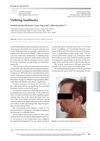
 A rare pancreatic tumor caused a woman's male-like features, treated successfully with surgery and medication.
 November 2021 in “Khyber Medical University Journal”
 A rare ovarian tumor caused a postmenopausal woman to develop male-like features, which improved after surgery.
12 citations
,
January 2000 in “Journal of cutaneous medicine and surgery” Microorganism overgrowth and hyperkeratosis may trigger immune reactions causing lichen planopilaris.
 3 citations
,
March 2007 in “Otolaryngologic Clinics of North America”
3 citations
,
March 2007 in “Otolaryngologic Clinics of North America” Choosing the right eyebrow and forehead rejuvenation technique depends on the individual's features and goals, and even small changes can make a big difference in appearance.
 103 citations
,
June 2007 in “Endocrinology and Metabolism Clinics of North America”
103 citations
,
June 2007 in “Endocrinology and Metabolism Clinics of North America” Male pattern hair loss is genetic and influenced by hormones, with treatments like minoxidil and surgery available.
25 citations
,
June 2002 in “Steroids” 4-azasteroids, including finasteride, can inhibit 5α-reductase, helping treat conditions like enlarged prostate and hair loss.
 19 citations
,
January 2001 in “Dermatology + psychosomatics”
19 citations
,
January 2001 in “Dermatology + psychosomatics” The review concluded that male pattern baldness is mostly seen negatively, affecting attractiveness and social appeal.
 7 citations
,
October 2017 in “The Prostate”
7 citations
,
October 2017 in “The Prostate” Baldness in men with prostate cancer is linked to higher levels of certain sex hormones, but chest hair density is not.
4 citations
,
August 1991 in “The Journal of Dermatology” The tumor on the man's nose was a rare type called pedunculated follicular hamartoma.
34 citations
,
September 2010 in “Clinical and Experimental Dermatology” A new gene mutation linked to KID syndrome was found, expanding genetic knowledge.
 12 citations
,
July 2008 in “Facial Plastic Surgery Clinics of North America”
12 citations
,
July 2008 in “Facial Plastic Surgery Clinics of North America” The document concludes that careful planning and consideration of male brow anatomy are essential for successful facial rejuvenation with cosmetic surgery.
 May 2024 in “Research Square (Research Square)”
 Pediatric androgenetic alopecia is linked to obesity, family history, hormonal imbalances, and requires personalized treatment including managing comorbidities.
October 2023 in “Asian journal of pharmaceutical and clinical research” Standardized data is essential for diagnosing scalp and hair conditions in males.
 May 2022 in “Journal of Cosmetic Dermatology”
 The authors suggest a method for hair transplantation in fibrosing alopecia pattern distribution to improve treatment outcomes and cover bald areas.
 December 2022 in “IntechOpen eBooks”
 Forensic DNA Phenotyping accurately predicts physical traits and is used in investigations, but needs more diverse population data for confirmation.