 86 citations
,
October 2017 in “Clinics in Dermatology”
86 citations
,
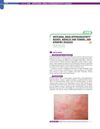
October 2017 in “Clinics in Dermatology” Older adults have a high rate of skin cancers like basal cell carcinoma and melanoma, mainly due to UV exposure and age.
 4 citations
,
January 2012 in “Elsevier eBooks”
4 citations
,
January 2012 in “Elsevier eBooks” The document concludes that various skin conditions have specific treatments, ranging from antihistamines for urticaria to surgery and medication for tumors and chronic skin diseases.
20 citations
,
November 2004 in “Archives of Pathology & Laboratory Medicine” A rare benign skin growth called melanocytic matricoma was identified in a 69-year-old man.
 July 2014 in “Plastic and Reconstructive Surgery”
 The document concludes that rib-sparing techniques in breast reconstruction have limited benefits, sentinel lymph node biopsy is needed for desmoplastic melanoma, certain hair preservation methods improve graft survival, partial turbinectomy effectively reduces nasal obstruction, nipple shields with irrigation may reduce capsular contracture, and thicker malignant melanomas have a higher risk of non-skin cancers.
 July 2014 in “Plastic and Reconstructive Surgery”
 The document concludes that rib-sparing techniques in breast reconstruction have limited benefits, sentinel lymph node biopsy is needed for desmoplastic melanoma, certain hair preservation methods improve graft survival, partial turbinectomy effectively reduces nasal obstruction, nipple shields with irrigation may reduce capsular contracture, and thicker malignant melanomas have a higher risk of non-skin cancers.
 May 2019 in “Australasian Journal of Dermatology”
 New insights in skin conditions show a complex link between certain moles and melanoma, improved hair loss treatments, and the need to identify different types of lupus.
 January 2020 in “Journal of The European Academy of Dermatology and Venereology”
 In 2019, dermatology and venereology improved skin cancer imaging, advanced in treating skin conditions like psoriasis, and explored the skin microbiome's role in diseases.
 July 2004 in “British Journal of Dermatology”
 The document concludes that accurate diagnosis and treatment are crucial in dermatology, and it presents various findings on skin conditions and treatments.
 105 citations
,
September 1995 in “Journal of The American Academy of Dermatology”
105 citations
,
September 1995 in “Journal of The American Academy of Dermatology” Recombinant cytokine therapy can cause skin reactions ranging from mild to severe.
 24 citations
,
June 2011 in “International Journal of Dermatology”
24 citations
,
June 2011 in “International Journal of Dermatology” Most pregnant women experience skin changes like darkening and itching, while serious skin conditions are rare but need early treatment.
 21 citations
,
May 1988 in “Journal of The American Academy of Dermatology”
21 citations
,
May 1988 in “Journal of The American Academy of Dermatology” The first in-prison dermatology clinic in the U.S. faced challenges and found certain skin conditions common among inmates, with rare cases of serious skin cancer.
 11 citations
,
December 2006 in “Expert Review of Dermatology”
11 citations
,
December 2006 in “Expert Review of Dermatology” Dermoscopy is becoming essential for diagnosing skin conditions and is expected to be a standard tool for dermatologists.
7 citations
,
July 2021 in “PubMed” Vitamins A, B, C, and D are important for skin health and are being explored for new uses, but more research is needed to confirm their effectiveness.
 January 2009 in “Springer eBooks”
 The document concludes that managing skin conditions during pregnancy is important and requires specialized care.
 September 2005 in “Journal of Investigative Dermatology”
 Ferulic acid helps stabilize vitamins C and E for better skin protection from the sun, certain compounds may promote hair growth, atopic dermatitis patients have lower skin defense molecules, older men are more likely to get a type of skin cancer, and a substance called relaxin may prevent age-related skin thickening.
 126 citations
,
January 1987 in “Journal of The American Academy of Dermatology”
126 citations
,
January 1987 in “Journal of The American Academy of Dermatology” The document concludes that understanding hair structure is key to diagnosing hair abnormalities and recommends gentle hair care for management.
 41 citations
,
February 1970 in “Archives of Dermatology”
41 citations
,
February 1970 in “Archives of Dermatology” Oral contraceptives can cause skin issues like dark patches, acne, yeast infections, sensitivity to light, spider veins, skin rashes, and hair loss.
 1 citations
,
June 2015 in “Cancer”
1 citations
,
June 2015 in “Cancer” Finasteride and dutasteride may lower melanoma risk, with teenage acne possibly indicating higher risk.

Finasteride and dutasteride might lower melanoma risk.
 January 2011 in “Yearbook of Dermatology and Dermatologic Surgery”
 Thicker melanomas and nodular types are more likely to spread to sentinel lymph nodes.
 March 2011 in “Journal of Dermatology”
 The conclusion is that a certain test might help find cancer spread in lymph nodes for melanoma patients, but more research is needed due to false positives.
 8 citations
,
June 2016 in “Journal of Cutaneous Pathology”
8 citations
,
June 2016 in “Journal of Cutaneous Pathology” Two women were diagnosed with a rare melanoma that looked like hair loss but was actually a type of skin cancer.
 1 citations
,
May 2018 in “International Journal of Molecular Biology Open Access”
1 citations
,
May 2018 in “International Journal of Molecular Biology Open Access” Hydrogen peroxide is a major risk factor for melanoma in swimmers, more than UV light.
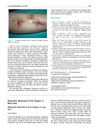 November 2012 in “Actas Dermo-Sifiliográficas”
 An 86-year-old man had a rare tongue melanoma but refused treatment, showing the need for early cancer detection and treatment.
 January 2012 in “heiDOK (Heidelberg University)”
 Dormant melanoma cells in mice interact minimally with memory T cells due to a suppressive tumor environment.
 23 citations
,
January 2015 in “Journal of The American Academy of Dermatology”
23 citations
,
January 2015 in “Journal of The American Academy of Dermatology” People with myotonic dystrophy type 1 have a higher chance of getting skin tumors, including melanoma.
 37 citations
,
January 2016 in “Australasian Journal of Dermatology”
37 citations
,
January 2016 in “Australasian Journal of Dermatology” Scalp melanomas are more dangerous and often missed, needing earlier detection.
 27 citations
,
April 2019 in “Journal of The American Academy of Dermatology”
27 citations
,
April 2019 in “Journal of The American Academy of Dermatology” Where melanoma is on the body affects survival chances; melanomas on the back of the head are worse, while those on thighs and arms are less severe, and more sun exposure might improve survival.
 25 citations
,
May 2018 in “Clinical & Translational Oncology”
25 citations
,
May 2018 in “Clinical & Translational Oncology” New melanoma treatments can cause skin side effects, including skin cancer and rashes, but combining treatments may reduce these risks.
 13 citations
,
April 2022 in “Frontiers in oncology”
13 citations
,
April 2022 in “Frontiers in oncology” Melanoma development can be linked to the breakdown of skin's melanin-producing units.