 295 citations
,
June 2009 in “Science”
295 citations
,
June 2009 in “Science” Stromal stem cells may help heal wounds by becoming structural cells or affecting the immune system, but more research is needed to understand how.
 160 citations
,
April 2012 in “Journal of Cellular and Molecular Medicine”
160 citations
,
April 2012 in “Journal of Cellular and Molecular Medicine” Telocytes might help with skin repair and regeneration.
 149 citations
,
July 2014 in “Cold Spring Harbor Perspectives in Medicine”
149 citations
,
July 2014 in “Cold Spring Harbor Perspectives in Medicine” The dermal papilla is crucial for hair growth and health, and understanding it could lead to new hair loss treatments.
 77 citations
,
June 2007 in “PLoS ONE”
77 citations
,
June 2007 in “PLoS ONE” Birds can regenerate inner ear cells using specific gene pathways, unlike mammals.
 25 citations
,
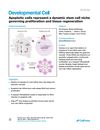
June 2021 in “Developmental Cell”
25 citations
,
June 2021 in “Developmental Cell” Dying cells can help with faster healing and new hair growth by releasing a growth-promoting molecule.
 24 citations
,
January 2019 in “Science China Life Sciences”
24 citations
,
January 2019 in “Science China Life Sciences” Chitosan/LiCl composite scaffolds help heal deep skin wounds better.
 17 citations
,
December 2010 in “Journal of Investigative Dermatology”
17 citations
,
December 2010 in “Journal of Investigative Dermatology” Flightless I protein affects hair growth, with low levels delaying it and high levels increasing hair length in rodents.
 13 citations
,
December 2014 in “Stem Cells”
13 citations
,
December 2014 in “Stem Cells” Hair and skin can regenerate without bulge stem cells due to other compensating cells.
 December 2022 in “bioRxiv (Cold Spring Harbor Laboratory)”
 MicroRNA-205 helps hair grow by changing the stiffness and contraction of hair follicle cells.
 March 2020 in “Central European Journal of Biology”
 The study found that stem cells and neutrophils are important for regenerating hair follicle structures in mice.
 April 2018 in “bioRxiv (Cold Spring Harbor Laboratory)”
 Certain small molecules can help regrow hair by turning on the body's cell cleanup process.
 202 citations
,
August 2007 in “Biomaterials”
202 citations
,
August 2007 in “Biomaterials” Artificial skin development has challenges, but new materials and understanding cell behavior could improve tissue repair. Also, certain growth factors and hydrogel technology show promise for advanced skin replacement therapies.
 128 citations
,
August 2015 in “Cell Stem Cell”
128 citations
,
August 2015 in “Cell Stem Cell” Damage to skin releases dsRNA, which activates TLR3 and helps in skin and hair follicle regeneration.
 60 citations
,
April 2012 in “Physiology”
60 citations
,
April 2012 in “Physiology” The document concludes that understanding hair and feather regeneration can help develop new regenerative medicine strategies.
 29 citations
,
May 2020 in “npj Regenerative Medicine”
29 citations
,
May 2020 in “npj Regenerative Medicine” Immune cells help regulate hair growth, and better understanding this can improve hair loss treatments.
 19 citations
,
June 2008 in “Journal of Investigative Dermatology”
19 citations
,
June 2008 in “Journal of Investigative Dermatology” HPV genes in mice improve ear tissue healing by speeding up skin growth and repair.
 15 citations
,
January 2019 in “Experimental Dermatology”
15 citations
,
January 2019 in “Experimental Dermatology” Lanyu pigs show that partial-thickness wounds can partially regenerate important skin structures, which may help improve human skin healing.
 10 citations
,
October 2020 in “Frontiers in Cell and Developmental Biology”
10 citations
,
October 2020 in “Frontiers in Cell and Developmental Biology” Wounds can regenerate hair in young mice, but this ability declines with age, offering insights for improving tissue regeneration in the elderly.
 9 citations
,
January 2018 in “Stem Cells International”
9 citations
,
January 2018 in “Stem Cells International” Deer antler stem cell fluid helps regenerate tissue better than fat-derived stem cell fluid.
 2 citations
,
May 2018 in “Journal of Investigative Dermatology”
2 citations
,
May 2018 in “Journal of Investigative Dermatology” Mice can regrow hair on wounds due to specific cell interactions and mechanical forces not seen in rats.
 41 citations
,
December 2019 in “Stem Cell Reviews and Reports”
41 citations
,
December 2019 in “Stem Cell Reviews and Reports” Tooth regeneration could become possible by controlling how and when bioactive factors are released.
 9 citations
,
November 2018 in “Drug Discovery Today”
9 citations
,
November 2018 in “Drug Discovery Today” Using skin stem cells and certain molecules might lead to scar-free skin healing.
 5 citations
,
January 2016 in “Journal of Molecular Histology”
5 citations
,
January 2016 in “Journal of Molecular Histology” Both main and alternative Wnt signaling are important for regrowing rodent whisker follicles.
 September 2022 in “Research Square (Research Square)”
 Increasing Rps14 helps grow more inner ear cells and repair hearing cells in baby mice.
 408 citations
,
January 2017 in “Science”
408 citations
,
January 2017 in “Science” Some wound-healing cells can turn into fat cells around new hair growth in mice.
 232 citations
,
October 2015 in “International journal of molecular sciences”
232 citations
,
October 2015 in “International journal of molecular sciences” Stem cells are crucial for skin repair and new treatments for chronic wounds.
 176 citations
,
April 2011 in “Science”
176 citations
,
April 2011 in “Science” Hair stem cell regeneration is controlled by signals that can explain different hair growth patterns and baldness.
 170 citations
,
July 2012 in “Journal of Investigative Dermatology”
170 citations
,
July 2012 in “Journal of Investigative Dermatology” Wnt ligands are crucial for hair growth and repair.
 163 citations
,
April 2019 in “Nature Communications”
163 citations
,
April 2019 in “Nature Communications” Mechanical stretching of the skin can promote hair growth by activating certain immune cells.
 135 citations
,
December 2015 in “Expert Opinion on Biological Therapy”
135 citations
,
December 2015 in “Expert Opinion on Biological Therapy” Exosomes could potentially enhance tissue repair and regeneration with lower rejection risk and easier production than live cell therapies.