 181 citations
,
January 2009 in “Nature Genetics”
181 citations
,
January 2009 in “Nature Genetics” Certain mutations in a hair growth-related gene cause a type of genetic hair loss.
 36 citations
,
October 2000 in “British Journal of Dermatology”
36 citations
,
October 2000 in “British Journal of Dermatology” A different gene near the hairless gene on chromosome 8p21 causes a rare hair loss condition in a German family.
 14 citations
,
April 2011 in “Journal of the American Academy of Dermatology”
14 citations
,
April 2011 in “Journal of the American Academy of Dermatology” Researchers found a gene mutation responsible for a rare hair loss condition.
 11 citations
,
September 2010 in “American Journal of Medical Genetics - Part A”
11 citations
,
September 2010 in “American Journal of Medical Genetics - Part A” A Turkish family with sparse hair and eyebrow loss has a mutation in the U2HR gene linked to Marie Unna hereditary hypotrichosis.
 4 citations
,
January 2014 in “International Journal of Trichology”
4 citations
,
January 2014 in “International Journal of Trichology” A 12-year-old boy with a rare genetic condition has progressive hair loss with no effective treatment.
29 citations
,
March 2000 in “Journal of Investigative Dermatology” The gene for Marie Unna hereditary hypotrichosis is located on chromosome 8p21.
21 citations
,
June 2009 in “Mammalian genome” A new mutation in the Hr gene causes hair loss in mice, similar to a human hair disorder.
 14 citations
,
July 2010 in “Experimental Dermatology”
14 citations
,
July 2010 in “Experimental Dermatology” A new mutation in the HR gene causes hair loss in a specific family.
12 citations
,
March 2011 in “Pediatric dermatology” An 18-year-old girl was diagnosed with a rare hereditary hair loss condition, despite no family history.
 6 citations
,
January 2013 in “The Journal of Dermatology”
6 citations
,
January 2013 in “The Journal of Dermatology” Researchers found a new genetic mutation causing a rare hair loss condition in the first Japanese child studied.
 6 citations
,
May 2012 in “Archives of Dermatological Research”
6 citations
,
May 2012 in “Archives of Dermatological Research” A new mutation in the HR gene is linked to a rare form of hair loss with limb deformities.
4 citations
,
March 2000 in “Journal of Investigative Dermatology” The gene for Marie Unna hereditary hypotrichosis is located on chromosome 8p21, near the hairless gene.
2 citations
,
November 2011 in “Pediatric dermatology”  August 2025 in “Journal of Cosmetic Dermatology”
 5% topical minoxidil can significantly improve hair growth in children with Marie Unna hereditary hypotrichosis.
 May 2018 in “European Journal of Dermatology”
 The first Japanese family with Marie Unna hereditary hypotrichosis showed hair condition improvement in a child and highlighted the risk of misdiagnosis.
 November 2011 in “Pediatric dermatology”
 Marie-Unna Hereditary Hypotrichosis is a rare genetic condition causing sparse hair growth, requiring specific recognition for proper care.
5 citations
,
November 1979 in “PubMed” A hereditary condition causes hair loss and twisted hair in some family members.
June 2001 in “European Journal of Dermatology” A 54-year-old woman experienced progressive hair loss starting in adolescence, leading to sparse scalp hair and almost no eyebrows or eyelashes.
 89 citations
,
September 2010 in “Annual Review of Genomics and Human Genetics”
89 citations
,
September 2010 in “Annual Review of Genomics and Human Genetics” The document concludes that understanding the genes and pathways involved in hair growth is crucial for developing treatments for hair diseases.
 59 citations
,
June 2008 in “Journal of The American Academy of Dermatology”
59 citations
,
June 2008 in “Journal of The American Academy of Dermatology” The article explains the genetic causes and symptoms of various hair disorders and highlights the need for more research to find treatments.
 33 citations
,
March 2006 in “Seminars in cutaneous medicine and surgery”
33 citations
,
March 2006 in “Seminars in cutaneous medicine and surgery” The document explains how to identify different hair problems using a microscope.
 31 citations
,
May 2008 in “Drug Discovery Today: Disease Mechanisms”
31 citations
,
May 2008 in “Drug Discovery Today: Disease Mechanisms” Different hair growth problems are caused by genetic issues or changes in hair growth cycles, and new treatments are being developed.
 July 2023 in “The Keio Journal of Medicine”
 Certain gene variants can cause inherited hair diseases, which are important to diagnose and understand for patient care.
 January 2025 in “Clinical Cosmetic and Investigational Dermatology”
 Genetic testing is crucial for diagnosing rare hair loss disorders.
3 citations
,
February 2018 in “Experimental and Molecular Medicine/Experimental and molecular medicine” A protein called PCBP2 controls the production of a hair growth protein by interacting with its genetic message and is linked to hair loss when this control is disrupted.
 July 2019 in “Journal der Deutschen Dermatologischen Gesellschaft”
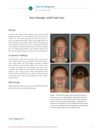
 A mother and daughter have a rare genetic hair loss disorder with no effective treatment.
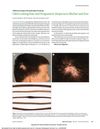 May 2014 in “JAMA Dermatology”
 Mother and son diagnosed with a rare genetic hair loss condition with no effective treatment.

Polarized microscopy helps identify hair irregularities in genetic disorders.

Researchers found a genetic link for hereditary hair loss but need more analysis to identify the exact gene.
2 citations
,
May 2022 in “Stem cell research & therapy” Disrupted stem cell signals in hairpoor mice cause hair loss.