 15 citations
,
June 2019 in “eLife”
15 citations
,
June 2019 in “eLife” Activin A and follistatin control when hair cells develop in mouse ears.
Par3–mInsc and Gαi3 work together to ensure proper cell division orientation in skin development.
 25 citations
,
May 2013 in “Journal of mammary gland biology and neoplasia”
25 citations
,
May 2013 in “Journal of mammary gland biology and neoplasia” Hedgehog signaling is crucial for mammary gland development over hair follicles.
2 citations
,
May 2022 in “Stem cell research & therapy” Disrupted stem cell signals in hairpoor mice cause hair loss.
 17 citations
,
May 2014 in “Naunyn-Schmiedeberg's Archives of Pharmacology”
17 citations
,
May 2014 in “Naunyn-Schmiedeberg's Archives of Pharmacology” 7-Phloroeckol from brown algae may help hair grow.
11 citations
,
January 2010 in “Dermatology Research and Practice” Desmosomes are crucial for human skin development, increasing in density as the skin matures.
 9 citations
,
January 2023 in “Cellular and Molecular Life Sciences”
9 citations
,
January 2023 in “Cellular and Molecular Life Sciences” Botulinum toxin A can help improve thin endometrium and embryo implantation.
 August 2015 in “Free Radical Biology and Medicine”
 Nrf2 helps protect skin from damage but too much can cause skin problems.
213 citations
,
December 1994 in “Medical Entomology and Zoology” Skin cancer involves complex mechanisms, risk factors, and can be potentially prevented with strategies like dietary changes and certain compounds.
 14 citations
,
January 2006 in “Skin pharmacology and physiology”
14 citations
,
January 2006 in “Skin pharmacology and physiology” Procyanidin compounds from apples and barley promote hair growth and prevent hair cell death.
52 citations
,
May 2011 in “Journal of Neuroendocrinology” PEA boosts allopregnanolone production and reduces oxidative stress in brain cells.
May 2018 in “The journal of immunology/The Journal of immunology” Mutations in the FOXN1 gene cause severe immune issues but don't affect hair and nails.
21 citations
,
May 2014 in “Toxicological Sciences” Toluene diisocyanate exposure can cause immune sensitization by interacting with proteins in hair follicles and sebaceous glands.
 January 2016 in “Journal of Investigative Dermatology”
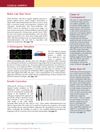
 Some cells may slow melanoma growth, a protein could affect skin pigmentation, a gene-silencing method might treat hair defects, skin bacteria changes likely result from eczema, and a defensin protein could help treat multiple sclerosis.

A new compound from Royoporus badius activates immune cells and induces inflammatory responses.
June 2008 in “The Knowledge Bank (The Ohio State University)” Smad2 and Smad3 are essential for normal skin development, and their absence causes severe skin issues and cancer.
15 citations
,
September 2018 in “Applied Biological Chemistry” Matrigel supports cell growth and repair, and thymosin beta 4 aids tissue regeneration and healing.
20 citations
,
January 2017 in “Experimental Dermatology” Igf1r helps regulate hair growth cycles.
 April 2018 in “Journal of Investigative Dermatology”
 Claudin-1 and Claudin-3 are crucial for keeping hair follicle structure and preventing a type of hair loss called telogen effluvium.
October 2021 in “The journal of investigative dermatology/Journal of investigative dermatology” Blocking cell death in hair follicles can lead to impaired hair growth.
April 2023 in “Journal of Investigative Dermatology” Proper cell death regulation is crucial for normal hair follicle regeneration and skin remodeling.
12 citations
,
June 2020 in “Lupus” Early treatment with the right dose of stem cells can reduce lupus symptoms.
4 citations
,
September 2004 in “Experimental Dermatology” Connexin mutations can cause various diseases like hearing loss and skin disorders.
 June 2025 in “Theranostics”
 Rapamycin-primed exosomes can significantly boost hair regrowth.
 January 2016 in “Experimental Dermatology”
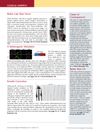
 New findings suggest potential treatments for melanoma, hyperpigmentation, hair defects, and multiple sclerosis, and show skin microbiome changes don't cause atopic dermatitis.
 August 2016 in “The journal of investigative dermatology/Journal of investigative dermatology”
 The hexosamine pathway helps protect skin cells from stress and may improve skin and hair health.
412 citations
,
January 1998 in “Science” A mutation in the human hairless gene causes alopecia universalis.
 75 citations
,
August 2008 in “PLOS ONE”
75 citations
,
August 2008 in “PLOS ONE” Wnt3a protein, when packed in liposomal vesicles, can stimulate hair growth and could potentially treat conditions like hair loss.
10 citations
,
December 2024 in “Allergy” Tralokinumab effectively improved atopic dermatitis symptoms in most patients, but some stopped due to side effects like hair loss.
5 citations
,
February 2022 in “Biophysical journal” The model shows that filament flexibility and amino acid differences affect how fast intermediate filament proteins assemble.