8 citations
,
January 2020 Alopecia areata causes patchy hair loss, and certain hair features can suggest its presence.
28 citations
,
October 2017 in “Journal of the American Academy of Dermatology” Pediatric alopecia areata is rare, affecting more girls than boys, and peaks at ages 9-12.
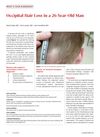 January 2022 in “Consultant”
 The man's occipital hair loss was due to temporal triangular alopecia, not alopecia areata.
January 2025 in “Medical Research Archives” A new classification and scoring system is needed for alopecia areata to better assess severity.
1 citations
,
July 2025 in “Journal of the National Medical Association” Alopecia areata patients often face mental health issues like anxiety and depression.
 June 2023 in “British journal of dermatology/British journal of dermatology, Supplement”
 A woman's rare hair loss condition improved on its own, suggesting this type might recover like common cases.
 January 2011 in “International Journal of Trichology”
 The document concludes that doctors should recognize congenital triangular alopecia to avoid unnecessary treatments, as it does not respond to steroids like alopecia areata does.
46 citations
,
July 2007 in “Journal of the American Academy of Dermatology” Alopecia areata causes significant emotional distress, including high rates of depression and anxiety.
 1 citations
,
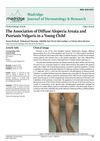
October 2018 in “Madridge journal of dermatology & research”
1 citations
,
October 2018 in “Madridge journal of dermatology & research” A young child with alopecia areata and psoriasis improved with treatment, suggesting a link between the two conditions.
 2 citations
,
June 2018 in “Journal of the American Academy of Dermatology”
2 citations
,
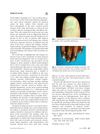
June 2018 in “Journal of the American Academy of Dermatology” Alopecia areata causes varying hair loss and nail changes, and treatments include topical, systemic, and injectable therapies.
 March 2024 in “Research Square”
 The model helps understand alopecia areata and suggests ways to improve treatment by targeting immune issues.
 1 citations
,
May 2010 in “Nursing Standard”
1 citations
,
May 2010 in “Nursing Standard” Treatments for autoimmune hair loss have limited success and patients need emotional support and self-acceptance.
 30 citations
,
November 2012 in “Anais Brasileiros De Dermatologia”
30 citations
,
November 2012 in “Anais Brasileiros De Dermatologia” Diagnosing diffuse alopecia, a hair loss condition, can be challenging and may require a scalp biopsy or tracking the disease's progression when symptoms and skin tests aren't enough.
 February 2023 in “Siriraj Medical Journal”
 Not all cases with typical signs of Alopecia Areata are actually diagnosed as such.
April 2018 in “Journal of Investigative Dermatology” Melanogenesis-related proteins may trigger immune responses in alopecia areata patients.
 January 2014 in “International Journal of Trichology”
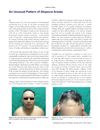
 A man had an unusual type of hair loss that didn't match known patterns and didn't improve with treatment.
 1 citations
,
October 2013 in “Expert Review of Dermatology”
1 citations
,
October 2013 in “Expert Review of Dermatology” Diagnosing alopecia areata is challenging and requires careful examination and various tests to distinguish it from other hair loss types.
 June 2022 in “Journal of pharmaceutical research international”
 Alopecia causes patchy hair loss and can be diagnosed with new techniques; treatments like strong creams and contact immunotherapy can help.
 151 citations
,
February 2007 in “International Journal of Dermatology”
151 citations
,
February 2007 in “International Journal of Dermatology” Alopecia areata causes hair loss, has no cure, and various treatments exist.
 August 2023 in “Research Square (Research Square)”
 Melanocytes may trigger the immune response in alopecia areata, affecting hair regrowth.
47 citations
,
June 2017 in “Journal of dermatology” New treatments for alopecia areata show promise, but no cure exists and responses to treatments vary.
 February 2023 in “Cosmoderma”
 An infant with complete hair loss was diagnosed with a genetic disorder affecting hair growth.
 September 2022 in “Journal of Investigative Dermatology”
 Patient-reported outcomes better reflect the quality of life impact of alopecia areata than traditional severity scores.
 July 2023 in “The Egyptian Journal of Hospital Medicine ”
 Alopecia areata is a hair loss condition caused by immune factors and can be treated with JAK inhibitors.
1 citations
,
August 2025 in “Acta Dermato Venereologica” Alopecia areata is decreasing globally, affects more females, and is linked to anxiety and atopic dermatitis, especially in children.
January 2025 in “Anais Brasileiros de Dermatologia” Male pattern baldness worsens with age and can be treated with medications like minoxidil and finasteride, but side effects and personalized care are important.
 January 2015 in “British journal of medicine and medical research”
 A woman with severe hair loss due to systemic sclerosis regrew her hair in 4 months using a combination of treatments.
 March 2012 in “Journal of The American Academy of Dermatology”
 Temporal triangular alopecia usually starts in early childhood and treatment with Minoxidil has limited effectiveness.
 3 citations
,
July 2022 in “Indian journal of dermatology, venereology, and leprology”
3 citations
,
July 2022 in “Indian journal of dermatology, venereology, and leprology” Patients with alopecia areata have higher oxidative stress and lower antioxidant levels.
 March 2025 in “Journal of Education Health and Sport”
 Alopecia areata causes hair loss due to immune issues, and while new treatments show promise, no universally effective solution exists yet.