October 2019 in “Zenodo (CERN European Organization for Nuclear Research)” Capilcep effectively promotes hair growth and is safe, but long-term effects need more research.
 19 citations
,
May 2017 in “Dermatologic Surgery”
19 citations
,
May 2017 in “Dermatologic Surgery” Combining platelet-rich plasma with 5% minoxidil solution improves hair regrowth in androgenetic alopecia patients.
 August 2023 in “Faculty Opinions – Post-Publication Peer Review of the Biomedical Literature”
 Minoxidil users may experience hair discoloration, especially with long-term use and a family history of gray hair.
 1 citations
,
December 2019 in “Dermatologic Therapy”
1 citations
,
December 2019 in “Dermatologic Therapy” Only anti-androgenic drugs likely halt AGA progression.
18 citations
,
April 1998 in “MIT Press eBooks” DMG-Na may improve blood flow and help hair growth without side effects.

Topical minoxidil was effective in promoting hair growth for male pattern baldness.
 27 citations
,
August 1984 in “Experimental and Molecular Pathology”
27 citations
,
August 1984 in “Experimental and Molecular Pathology”  May 2025 in “Scientific Reports”
 Oxyresveratrol promotes hair growth and may help treat hair loss.
 January 2024 in “Pediatric Dermatology”
 Minoxidil improved hair growth in a child with a rare genetic disorder.
1 citations
,
October 2022 in “Journal of Cosmetic Dermatology” Combining microneedling with 2% minoxidil is more effective and safe for treating female pattern hair loss than using minoxidil alone.
34 citations
,
April 1982 in “BMJ”  4 citations
,
December 2017 in “PubMed”
4 citations
,
December 2017 in “PubMed” Minoxidil may help treat hair loss by reducing the activity of a specific enzyme linked to baldness.
 June 2023 in “Current Issues in Molecular Biology”
 DN106212, an extract from a plant, is better at promoting hair growth than other tested substances by affecting hair growth factors and follicle development.
 April 2020 in “Dermatology and therapy”
 New 5% minoxidil solution improves scalp hydration, reduces redness, and may be safer for sensitive users.
 11 citations
,
May 1990 in “Journal of Dermatological Science”
11 citations
,
May 1990 in “Journal of Dermatological Science” Diazoxide applied to the skin can increase hair growth without harmful side effects.
 20 citations
,
March 1994 in “Clinical and Experimental Dermatology”
20 citations
,
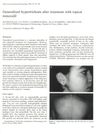
March 1994 in “Clinical and Experimental Dermatology” Too much topical minoxidil can cause excessive hair growth, but stopping treatment reverses it.
17 citations
,
July 1988 in “International Journal of Dermatology” Men using minoxidil felt better about hair loss and self-esteem than those using a placebo.
2 citations
,
May 2017 in “Zenodo (CERN European Organization for Nuclear Research)” Topical minoxidil 5% can cause erectile dysfunction and decreased libido.
 95 citations
,
December 1980 in “The New England Journal of Medicine”
95 citations
,
December 1980 in “The New England Journal of Medicine” Minoxidil helped bald patient regrow hair.

Both treatments improve hair growth, but minoxidil is cheaper.
 119 citations
,
June 2005 in “Journal of Molecular and Cellular Cardiology”
119 citations
,
June 2005 in “Journal of Molecular and Cellular Cardiology” Potassium channel openers are effective in treating heart conditions, high blood pressure, pulmonary diseases, bladder issues, and hair loss, but more selective drugs are needed.
 1 citations
,
July 2023 in “Cureus”
1 citations
,
July 2023 in “Cureus” Cetosomal minoxidil alone and with finasteride is effective and well-tolerated for hair loss treatment.
 April 2017 in “Journal of Investigative Dermatology”
 Using a stimulating cream shampoo before applying Minoxidil increases its penetration into hair follicles and scalp.
December 2022 in “Experimental and Clinical Physiology and Biochemistry” A lotion with 5% minoxidil boosts the immune response in guinea pigs.
5 citations
,
April 2025 in “Journal of the American Academy of Dermatology” Use minoxidil correctly and be aware of side effects for best hair loss treatment results.

Low-dose oral and topical minoxidil are recommended for managing hair loss in transplant patients, with specific doses and precautions.
 2 citations
,
January 2012 in “Hair therapy & transplantation”
2 citations
,
January 2012 in “Hair therapy & transplantation” DDAIP-HCl significantly increases minoxidil absorption into the skin.
1 citations
,
December 2022 in “Bioactive Materials” The microneedle patch with quercetin, zinc, and copper effectively promotes hair regrowth for androgenic alopecia.
 October 2023 in “FASEB bioAdvances”
 Akkermansia muciniphila may help prevent testosterone-related hair loss.
 24 citations
,
January 2015 in “Evidence-based Complementary and Alternative Medicine”
24 citations
,
January 2015 in “Evidence-based Complementary and Alternative Medicine” Polygonum multiflorum can promote hair growth when taken orally or applied topically.