 May 2025 in “Plastic & Reconstructive Surgery Global Open”
 Photothermal biomodulated PRP extends hair graft viability by 2 hours compared to standard solutions.
January 2025 in “Open Veterinary Journal” Electrochemotherapy successfully treated skin tumors in cats without recurrence.
 December 2023 in “International Journal of Biological Macromolecules”
 Chitosan nanoparticles loaded with Minoxidil were effective for hair growth but released the drug more slowly than the amphiphilic derivative.
 November 2023 in “International Journal of Pharmaceutics”
 New hair loss treatment using marine collagen and dissolvable needles improves hair growth.
 August 2023 in “The journal of investigative dermatology/Journal of investigative dermatology”
 Longer immunotherapy treatment may improve outcomes for Merkel cell carcinoma patients.
August 2023 in “Frontiers in Oncology” New drugs and therapies targeting specific pathways show promise in treating advanced prostate cancer.
 June 2023 in “Romanian Medical Journal”
 The case shows how hard it is to tell apart Multiple Autoimmune Syndrome from other similar autoimmune conditions, but correct diagnosis is key for treatment to work.
 April 2023 in “Authorea (Authorea)”
 A young woman with a rare skin cancer was diagnosed late because her symptoms were unusual for the disease.
 January 2023 in “International journal of dermatology, venereology and leprosy sciences”
 People with alopecia areata have different blood markers that suggest inflammation and immune system issues compared to healthy individuals.
 December 2022 in “Biological and Clinical Sciences Research Journal”
 Early treatment of mixed connective tissue disease is crucial to prevent severe autoimmune conditions.
 October 2022 in “Journal of the American Academy of Dermatology”
 "Clean" shampoos use fewer allergenic preservatives than traditional ones but still contain fragrances, and their actual risk of causing skin reactions is unclear.
 October 2021 in “Journal of Investigative Dermatology”
 The study concluded that the developed models are effective for studying hair growth mechanisms and testing new treatments.
August 2021 in “The journal of investigative dermatology/Journal of investigative dermatology” Hair growth supplements do not reduce the effectiveness of the breast cancer treatment tamoxifen.
 April 2019 in “Journal of Investigative Dermatology”
 Merkel cell carcinoma is most likely to recur within two years of diagnosis, and factors like immune suppression, being over 75, and male sex increase this risk.
April 2019 in “Journal of Investigative Dermatology” Blocking LFA-1 prevents hair loss in mice.
January 2019 in “Social Science Research Network” Hair follicle stem cells prevent melanocyte stem cells from differentiating by controlling retinoic acid levels.
 March 2018 in “Vìsnik farmacìï”
 Researchers developed a method to measure active ingredients in a hair loss treatment cream.
The gene Endothelin 3 makes mice's fur darker by increasing pigment cells and pigment levels.
Calcitriol and metformin together are more effective for treating PCOS and lowering MCP-1 than metformin alone.
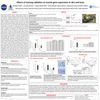 January 2017 in “NASA Technical Reports Server (NASA)”
 Early changes in skin gene expression can predict later bone mass loss after radiation exposure.

Skin stem cells are crucial for maintaining and repairing skin, with potential for treating skin disorders and improving wound healing.
April 2016 in “Journal of Investigative Dermatology” Iron deficiency causes hair loss by affecting hair differentiation and cycling.
 April 2016 in “Journal of Investigative Dermatology”
 SOX4 is crucial for the development of melanoma.
January 2016 in “UNESP Institutional Repository (São Paulo State University)” Melasma results from changes in the skin's pigment and structure, not just pigment cell growth.
April 2015 in “한국생물공학회 학술대회” Finasteride reduces melanin production in skin cells.
 January 2013 in “International journal of trichology”
 Vitamin D3 and its receptor are important for hair growth, and understanding receptors could help treat hair graying and skin cancer.
Human hair color is determined by melanin types and genetic factors.
 October 2011 in “Dermato-endocrinology”
 Hormones significantly affect skin health, with vitamin D playing a key role.
March 2011 in “Pigment Cell & Melanoma Research” The Agouti gene influences pigmentation and may have a developmental role in deer mice.
 March 2010 in “Ejc Supplements”
 ROR-alpha may increase the growth of certain breast cancer cells by boosting aromatase, which could affect breast cancer prognosis.