 October 2025 in “Pakistan Journal of Health Sciences”
 Low serum ferritin is linked to hair loss in women.
 September 2025 in “Online Türk Sağlık Bilimleri Dergisi”
 Low zinc and folate levels are linked to hair loss in children.
 January 2025 in “Acta Dermato Venereologica”
 Mothers with alopecia areata have a higher risk of adverse birth outcomes.
 January 2025 in “International Journal of Pharmaceutical Research and Development”
 Vitex negundo oil promotes hair growth and may treat alopecia safely.
 August 2024 in “Saudi Journal of Medical and Pharmaceutical Sciences”
 PRP combined with minoxidil is the most effective treatment for hair growth in androgenetic alopecia.
 November 2023 in “Research Square (Research Square)”
 Finasteride affects the male rat brain by reducing certain protein activation, but these effects may reverse after stopping the drug.
 July 2023 in “The Egyptian Journal of Hospital Medicine ”
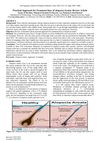
 The conclusion is that emotional support and a variety of treatments are important for alopecia areata, but more research is needed.
 March 2023 in “PARIPEX INDIAN JOURNAL OF RESEARCH”
 Tofacitinib helped regrow hair in most patients with severe hair loss.
 March 2023 in “Journal of clinical review & case reports”
 Frontal Fibrosing Alopecia mainly affects postmenopausal Mexican women, requiring early detection to prevent permanent hair loss.
 January 2023 in “Open Life Sciences”
 VEGFR-2 activation is likely involved in hair follicle growth, survival, and development.