 2 citations
,
January 2018 in “International Journal of Biochemistry & Physiology”
2 citations
,
January 2018 in “International Journal of Biochemistry & Physiology” Wnt genes help starfish regrow arms by aiding wound healing and cell development.
 April 2019 in “Journal of Investigative Dermatology”
 Calcium signals and SHH guide the direction of feather growth in chicken skin.
6 citations
,
January 2025 in “Differentiation” WNT10A is important for tissue development and linked to various human disorders.
 59 citations
,
November 2010 in “Circulation Research”
59 citations
,
November 2010 in “Circulation Research” Wnt signaling may be linked to heart diseases in aging and could be a target for future treatments.
 55 citations
,
September 2014 in “Development”
55 citations
,
September 2014 in “Development” Wnt, Eda, and Shh pathways are crucial for different stages of sweat gland development in mice.
April 2021 in “Journal of Investigative Dermatology” Blocking DPP4 can help prevent fat loss and skin fibrosis.
 July 2023 in “bioRxiv (Cold Spring Harbor Laboratory)”
 The mesenchyme can start hair growth, but the exact signal that causes this is still unknown.
 1 citations
,
December 2023 in “The journal of investigative dermatology/Journal of investigative dermatology”
1 citations
,
December 2023 in “The journal of investigative dermatology/Journal of investigative dermatology” Keeping β-catenin levels high in mammary cells disrupts their development and branching.
62 citations
,
December 2007 in “Journal of Cellular and Molecular Medicine” Kremen is crucial for proper development and preventing tumors by regulating Wnt signaling.
 3 citations
,
January 2023 in “Journal of Hard Tissue Biology”
3 citations
,
January 2023 in “Journal of Hard Tissue Biology” Wnt10a may help regenerate dental pulp and form dentine.
 41 citations
,
August 2015 in “The FASEB Journal”
41 citations
,
August 2015 in “The FASEB Journal” Blocking the Wnt/β‐catenin pathway can speed up wound healing, reduce scarring, and improve cartilage repair.
 April 2017 in “Journal of Investigative Dermatology”
 Dermal Wnt/β-catenin signaling is important for the proper size and development of hair follicles.
January 2010 in “DukeSpace (Duke University)” Wnt and Notch pathways are crucial for repairing blood stem cells after damage.
January 2018 in “Zurich Open Repository and Archive (University of Zurich)”  April 2016 in “Journal of Investigative Dermatology”
 Wnt ligands, produced by dermal papilla cells, are essential for adult hair growth and regeneration.
July 2024 in “Journal of Investigative Dermatology” Wnt and SHH signals together influence hair follicle cell development, offering insights for hair loss treatment.
 18 citations
,
July 2021 in “Molecular Medicine Reports”
18 citations
,
July 2021 in “Molecular Medicine Reports” The WNT signaling pathway is crucial for mesenchymal stem cells' function and therapy success.
August 2009 in “Mechanisms of Development” 37 citations
,
January 2010 in “Journal of Clinical Investigation” N-WASP is essential for normal hair growth in mice.
 29 citations
,
September 2012 in “Birth Defects Research”
29 citations
,
September 2012 in “Birth Defects Research” Wounds heal without scarring in early development but later result in scars, and studying Wnt signaling could help control scarring.
April 2018 in “Journal of Investigative Dermatology” African spiny mice can regenerate skin and hair after wounds due to specific tissue mechanics.
 25 citations
,
September 2018 in “Molecular Biology of the Cell”
25 citations
,
September 2018 in “Molecular Biology of the Cell” Blocking Wnt/β-catenin signaling with EGF receptor is necessary for proper hair growth.
176 citations
,
September 2006 in “Stem Cells” BMP signaling prevents hair growth by stopping stem cell activation.
May 2026 in “Journal of Controlled Release” 91 citations
,
December 2019 in “The EMBO Journal” NEDD4 and NEDD4L help control intestinal stem cells and prevent tumors by breaking down the LGR5 receptor.
 10 citations
,
November 2018 in “Nature Biotechnology”
10 citations
,
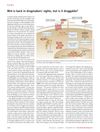
November 2018 in “Nature Biotechnology” Drugmakers are optimistic about targeting the Wnt pathway for new treatments despite past challenges.
 13 citations
,
September 2017 in “Oncotarget”
13 citations
,
September 2017 in “Oncotarget” A certain signaling pathway in mice, when increased, causes hair to gray by depleting the cells that give hair its color.
 53 citations
,
April 2014 in “Experimental Dermatology”
53 citations
,
April 2014 in “Experimental Dermatology” Wnt10b makes hair follicles bigger, but DKK1 can reverse this effect.
 May 2007 in “Science's STKE”
 Healing skin wounds in mice can create new hair follicles, and adjusting Wnt signaling could potentially reduce scarring and treat hair loss.
 28 citations
,
November 2018 in “Journal of Cellular and Molecular Medicine”
28 citations
,
November 2018 in “Journal of Cellular and Molecular Medicine” CXXC5 is a protein that controls cell growth and healing processes, and changes in its activity can lead to diseases like cancer and hair loss.