Dutasteride and finasteride can change hair growth genes, helping treat hair loss.
42 citations
,
March 2015 in “Anais Brasileiros de Dermatologia” Anti-TNF therapy can cause hair loss and skin issues.
 2 citations
,
May 2022 in “Cutis”
2 citations
,
May 2022 in “Cutis” Taking too much Albendazole can cause hair loss and other serious side effects.

Taking too much Albendazole can cause hair loss and other serious side effects.
 July 2017 in “International Journal of Dermatology and Venereology”
 Phototherapy can improve various types of hair loss with minimal side effects, but more research is needed to optimize treatment.
 November 2025 in “International Journal of Recent Innovations in Medicine and Clinical Research”
 Understanding different types of hair loss helps in accurate diagnosis and treatment.
 March 2013 in “Journal für Kardiologie (Krause & Pachernegg GmbH)”
 Hormones significantly affect hair growth and loss, with potential for new treatments.
 10 citations
,
August 2012 in “Current Problems in Pediatric and Adolescent Health Care”
10 citations
,
August 2012 in “Current Problems in Pediatric and Adolescent Health Care” Hair changes can indicate systemic diseases or medication effects.
64 citations
,
January 2001 in “Pharmacotherapy The Journal of Human Pharmacology and Drug Therapy” Misoprostol has many medical benefits, including protecting against injuries, aiding in disease treatment, and improving drug effects.
 72 citations
,
February 2011 in “The American Journal of Dermatopathology”
72 citations
,
February 2011 in “The American Journal of Dermatopathology” Anti-TNF therapy can cause a unique type of hair loss that may get better with topical treatments without stopping the therapy.
 2 citations
,
August 2022 in “Federal Practitioner”
2 citations
,
August 2022 in “Federal Practitioner” A severe medication reaction required long treatment and led to hair loss and thyroid issues.
 1 citations
,
October 2013 in “Expert Review of Dermatology”
1 citations
,
October 2013 in “Expert Review of Dermatology” Diagnosing alopecia areata is challenging and requires careful examination and various tests to distinguish it from other hair loss types.
April 2026 in “C&EN Global Enterprise” Serotonin's role in mental health is complex and not fully understood, affecting treatment effectiveness.
 7 citations
,
May 2017 in “Research and Practice in Thrombosis and Haemostasis”
7 citations
,
May 2017 in “Research and Practice in Thrombosis and Haemostasis” Some blood thinners can cause hair loss, but switching medications can stop it.
 August 2013 in “Hospital Pharmacy”
 Certain medications can cause serious side effects, including skin reactions, stroke, muscle disorders, tongue swelling, hair loss in women, and liver failure.
 12 citations
,
December 2019 in “International Journal of Molecular Medicine”
12 citations
,
December 2019 in “International Journal of Molecular Medicine” Stem cells from umbilical cord blood may prevent hair loss caused by certain medications.
November 2023 in “Journal of Skin and Sexually Transmitted Diseases” Gefitinib can cause scalp skin issues and permanent hair loss.
 1 citations
,
February 1993 in “Nursing Standard”
1 citations
,
February 1993 in “Nursing Standard” Many drugs, not just chemotherapy, can cause reversible hair loss.
 1 citations
,
September 2001 in “PubMed”
1 citations
,
September 2001 in “PubMed” Phenytoin, a medication, can cause hair loss and trigger a condition similar to lupus.
January 2023 in “Australasian Journal of Dermatology” Sublingual minoxidil helped regrow hair in a person with congenital triangular alopecia.
 January 2017 in “International journal of clinical & experimental dermatology”
 Eating a balanced diet with vitamins, micronutrients, and antioxidants is important for hair health and can help with hair loss.
 January 2022 in “Clinical Cases in Dermatology”
 Some hair loss from medication may reverse after stopping the drug, but treatment options are limited and ongoing research is needed.
 4 citations
,
April 2014 in “Journal of Pharmacology and Pharmacotherapeutics”
4 citations
,
April 2014 in “Journal of Pharmacology and Pharmacotherapeutics” The boy's hair loss was caused by the tuberculosis drug isoniazid but grew back after stopping the medication.
 May 1994 in “Reactions Weekly”
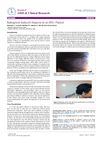
 Many medications can cause hair loss or excessive hair growth, which is usually reversible after stopping the drug.
 1 citations
,
November 2011 in “Journal of AIDS & Clinical Research”
1 citations
,
November 2011 in “Journal of AIDS & Clinical Research” Raltegravir may cause hair loss in some patients.
 13 citations
,
March 1990 in “JAMA”
13 citations
,
March 1990 in “JAMA” Topical eye β-blockers might cause hair loss, which usually gets better after stopping the medication.
 October 2025 in “Journal of Mahatma Gandhi University of Medical Sciences and Technology”
 Amitriptyline can cause temporary hair loss, which stops after discontinuing the drug.
 64 citations
,
February 1995 in “Journal of The American Academy of Dermatology”
64 citations
,
February 1995 in “Journal of The American Academy of Dermatology” Lithium therapy may cause skin problems like hidradenitis suppurativa and other side effects, which can improve after stopping the medication.
3 citations
,
May 2023 in “Journal of the American Academy of Dermatology” Certain drugs can cause hair loss, but stopping the drug usually leads to hair regrowth.

A girl lost her hair due to being given the wrong medication because of a pharmacy's computer error.