 1 citations
,
January 2014 in “Hair therapy & transplantation”
1 citations
,
January 2014 in “Hair therapy & transplantation” OMICS International aimed to make scientific research freely accessible to everyone.
 July 2022 in “The journal of investigative dermatology/Journal of investigative dermatology”
 A patient with a PLEC mutation has epidermolysis bullosa, muscular dystrophy, and myasthenia gravis, which improved with steroid treatment.
February 1999 in “PubMed” The document's conclusion cannot be summarized because the content is not available.
 May 2023 in “Elsevier eBooks”
 The document's conclusion cannot be provided because the document is not readable or understandable.

New methods efficiently isolate dermal papilla cells from hair follicles, preserving their characteristics better than traditional methods.
12 citations
,
July 2011 in “Experimental Dermatology” The ethosomal delivery system improves topical drug delivery and promotes hair growth.

Switching from a private to a corporate hair-restoration surgery practice involves changes.
 November 2003 in “Skinmed”
 Unable to summarize as the document content is not provided.
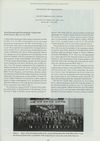 February 1996 in “International Journal of Dermatology”
 The Seoul International Dermatology Symposium was a successful event that highlighted new dermatology treatments and fostered international relations.
The study aims to create a model to improve personalized and preventive health care.
September 2025 in “OPAL (Open@LaTrobe) (La Trobe University)” Researchers created an efficient method to extract DNA from marmoset hair, avoiding blood chimerism.
 56 citations
,
July 2014 in “PLoS ONE”
56 citations
,
July 2014 in “PLoS ONE” Midazolam reduces PTSD-like behavior in rats by acting on specific brain receptors.
November 2024 in “Journal of Investigative Dermatology” Microfluidic models improve testing for aging, wound healing, and oral tissue, reducing animal testing.
June 2004 in “Dermatologic Surgery” Mixing different sizes of hair follicles during hair restoration surgery can give excellent results, save time, and cause less damage.
October 2022 in “Hair Transplantation” Full-time staff is best, but per diem can work for specific needs.
 18 citations
,
February 2006 in “Brain & development”
18 citations
,
February 2006 in “Brain & development” A patient with Satoyoshi syndrome improved with a treatment combining several medications, including carbamazepine and methotrexate.
 April 2016 in “The Journal of Sexual Medicine” 2 citations
,
January 2019 in “Recent Advances in Biology and Medicine”
April 2016 in “The Journal of Sexual Medicine” 2 citations
,
January 2019 in “Recent Advances in Biology and Medicine” A 5% DMSO and 5% BSA mix best preserves rabbit dermal papilla cells during cryopreservation.
Hair properties change under electromagnetic fields and are influenced by individual characteristics and the environment.
The trial aims to understand how obesity and lifestyle affect circadian rhythms in people with schizophrenia and bipolar disorder.
 March 2019 in “Sexual medicine reviews” 10 citations
,
February 2017 in “European journal of neuroscience/EJN. European journal of neuroscience”
March 2019 in “Sexual medicine reviews” 10 citations
,
February 2017 in “European journal of neuroscience/EJN. European journal of neuroscience” The availability of certain hormones and specific stimulation patterns affect long-term synaptic changes in the male rat brain.
12 citations
,
April 2023 in “Molecular Pharmaceutics” A new patch can deliver stable antibodies over time for potential HIV treatment.
3 citations
,
November 2022 in “International journal of molecular sciences” Bio-pulsed stimulation increases production of beneficial vesicles from bird stem cells that improve skin and hair cell functions.
The conference emphasized innovative solutions for global challenges, including disaster architecture, education, health, and economic impacts.
 17 citations
,
May 2015 in “Aesthetic Plastic Surgery”
17 citations
,
May 2015 in “Aesthetic Plastic Surgery” FUE hair transplantation using a micromotor is effective and gives natural results with few complications.
32 citations
,
October 2015 in “Frontiers in Cellular Neuroscience” DHT is needed for long-term depression, while E2 is needed for full long-term potentiation in male rat brains.
 January 2004 in “Dermatologic Surgery”
 Storing hair follicles in a special buffer with certain inhibitors can increase hair growth and improve transplant results.
 19 citations
,
July 2017 in “PLoS ONE”
19 citations
,
July 2017 in “PLoS ONE” Cell characteristics change with passage numbers, affecting experiment results.
 July 1996 in “Hair transplant forum international”
 The Japanese Society of Hair Restoration Surgery's annual meeting shared new hair restoration techniques.