 December 2025 in “Journal of Advanced Biotechnology and Experimental Therapeutics”
 Mesenchymal stem cells may help reduce melanin in UV-exposed mice.
10 citations
,
February 2012 in “Journal of Clinical Investigation” Advancements in skin and hair biology improve dermatology care and cosmetic treatments.
1 citations
,
January 2009 in “Elsevier eBooks” Laser hair removal can be effective for darker skin but requires careful use to avoid side effects.
 January 2024 in “Australasian journal of dermatology (Print)”
 A boy's hair turned red because of genetic mutations, not lack of zinc.
 January 2016 in “Experimental Dermatology”
 New findings suggest potential treatments for melanoma, hyperpigmentation, hair defects, and multiple sclerosis, and show skin microbiome changes don't cause atopic dermatitis.

Treating vitiligo with stem cells and melanocytes from hair, along with UVB light, works better than without the light.
1 citations
,
November 2024 in “Life” Desmodesmus pannonicus water extract may help reduce skin pigmentation, heal wounds, and promote hair growth.
 9 citations
,
May 2013 in “JAMA Dermatology”
9 citations
,
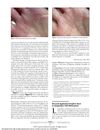
May 2013 in “JAMA Dermatology” Sunlight exposure improved a patient's skin condition, and there may be a link between a certain disease and skin growths; a leukemia treatment caused changes in hair color and growth.
April 2021 in “Authorea (Authorea)” A 20-year-old woman had stable Progressive Hemifacial Atrophy and Vitiligo after treatment, suggesting a possible link between the conditions.
November 2025 in “Journal of Investigative Dermatology” Alpha-MSH affects mitochondrial function, and MC1R mutations may increase skin aging.
9 citations
,
September 2020 in “Journal of cosmetic dermatology” A woman developed vitiligo from repeated eyebrow microblading.
21 citations
,
November 2023 in “International Journal of Molecular Sciences” Melatonin helps reduce aging signs in human eyelid skin.
8 citations
,
June 2009 in “British Journal of Dermatology” Human melanocytes in skin and hair follicles don't express keratin 16 or 6 naturally.
177 citations
,
November 2002 in “British journal of dermatology/British journal of dermatology, Supplement” Transplantation is effective for stable leucoderma but not for progressive, widespread vitiligo vulgaris.
2 citations
,
June 2011 in “Journal of the American Academy of Dermatology” Melanoma occurs more on the left side of the body, unlike other skin cancers.
 1 citations
,
May 2017 in “Journal of Stem Cell Research & Therapeutics”
1 citations
,
May 2017 in “Journal of Stem Cell Research & Therapeutics” Pluripotent stem cells show promise for treating skin color loss disorders like vitiligo.
30 citations
,
January 2005 in “Elsevier eBooks” Vitamin D affects skin and hair by influencing cell behavior and melanin production.
1 citations
,
June 2025 in “Pigment Cell & Melanoma Research” SASH1 gene mutations are linked to various inherited skin pigmentation disorders.
12 citations
,
September 2022 in “Frontiers in Genetics” Enhancing CD8+ T cell function to induce ferroptosis in tumor cells may help treat skin melanoma.
33 citations
,
April 2003 in “Oncogene” 12 citations
,
May 2019 in “Journal of cosmetic dermatology” Effective treatments for premature hair graying still require significant research.
 July 2025 in “International Journal of Dermatology Venereology and Leprosy Sciences”
 Microneedling may improve melasma treatment by boosting topical therapy effectiveness.
 August 2025 in “Annals of Medicine”
 Mycophenolate mofetil may safely help restore skin color in depigmentation conditions.
82 citations
,
January 1997 in “Forensic science international” Drugs can be incorporated into hair based on their chemical properties and hair pigmentation.
November 2025 in “PLoS ONE” Melanocytes are present in specific skin areas of male albino rats.
1 citations
,
April 2004 in “Cancer” Imatinib mesylate can cause skin lightening, especially in Chinese patients, due to its effect on pigment production.
 16 citations
,
January 2008 in “Acta dermato-venereologica”
16 citations
,
January 2008 in “Acta dermato-venereologica” Vitamin B12 deficiency can cause skin darkening and increased blood vessels, but treatment can improve symptoms.
24 citations
,
October 2022 in “Cell Regeneration” A new mouse model effectively mimics vitiligo for research and drug testing.
99 citations
,
March 2013 in “Journal of Investigative Dermatology” Mutations in the ABCB6 gene cause Dyschromatosis Universalis Hereditaria.
33 citations
,
January 2015 in “Journal of Ginseng Research” Ginsenoside Rg3 from Panax ginseng can lighten skin by reducing melanin production.