70 citations
,
December 2004 in “Proceedings of the National Academy of Sciences” BMP signaling affects hair color by interacting with the MC-1R pathway.
60 citations
,
August 2005 in “Endocrinology” αMSH may help regulate immune responses in hair follicles and its disruption could lead to hair loss.
43 citations
,
May 1999 in “Journal of Biological Chemistry” Agouti protein affects melanocortin receptors through competitive antagonism and receptor down-regulation.
32 citations
,
October 2004 in “Experimental Dermatology” α-MSH may help treat skin inflammation and fibrosis.
22 citations
,
June 2010 in “Experimental Dermatology” Lower MC2R expression may contribute to alopecia areata.
16 citations
,
May 2006 in “PubMed” Alpha-melanocyte-stimulating hormone helps manage skin inflammation and protect against UV damage.
 9 citations
,
November 2012 in “Archives of Dermatological Research”
9 citations
,
November 2012 in “Archives of Dermatological Research” MC4R gene variants not linked to female hair loss.
7 citations
,
October 2010 in “Medical Hypotheses” Alopecia areata may involve stress-related changes affecting hormone receptors, leading to reduced cortisol production.
1 citations
,
January 2005 in “Experimental Dermatology” MC-1R in skin cells may influence inflammation and collagen production.
1 citations
,
September 2004 in “Experimental Dermatology” MC-1R is present in skin cells and may help reduce inflammation.
April 2015 in “한국생물공학회 학술대회” Finasteride reduces melanin production in skin cells.
January 2009 in “The Chinese Journal of Dermatovenereology” Higher doses of Tribulus terrestris extract increase MC-1R expression in mouse hair follicles.
135 citations
,
March 2000 in “Journal of Biological Chemistry” Agouti and AGRP affect pigmentation and obesity, with implications for metabolic disorders.
 59 citations
,
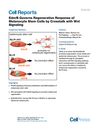
April 2016 in “Cell Reports”
59 citations
,
April 2016 in “Cell Reports” EdnrB signaling helps melanocyte stem cells regenerate and could be targeted to treat pigmentation issues.
58 citations
,
March 2011 in “Pflügers Archiv für die gesamte Physiologie des Menschen und der Tiere/Pflügers Archiv” Hormones and signaling pathways control sebaceous gland function and could help treat acne.
43 citations
,
October 2005 in “Molecular and cellular endocrinology” Hair melanocytes help the skin respond to stress and regulate hair pigmentation.
24 citations
,
January 2023 in “Cancer Research” AMPK activation may reduce melanoma risk in red-haired individuals.
 22 citations
,
November 2007 in “Journal of Investigative Dermatology Symposium Proceedings”
22 citations
,
November 2007 in “Journal of Investigative Dermatology Symposium Proceedings” Hair growth and health are influenced by stress and hormones.
 12 citations
,
September 2018 in “International Journal of Cosmetic Science”
12 citations
,
September 2018 in “International Journal of Cosmetic Science” Palmitoyl tetrapeptide-20 may help reduce hair greying and increase melanin production.
10 citations
,
November 2009 in “Pigment cell & melanoma research” The document concludes that MGRN1 affects mouse fur color by interfering with a receptor's signaling, but its full role in the body is still unknown.
 7 citations
,
March 2003 in “PubMed”
7 citations
,
March 2003 in “PubMed” The scalp has a natural speckled pattern of increased pigment around hair follicles, possibly linked to local hormone production.
5 citations
,
February 2012 in “Australasian Journal of Dermatology” Two red-haired men with alopecia areata regrew black hair instead of red.
2 citations
,
May 2019 in “International Journal of Molecular Sciences” Tranexamic acid turns white hair brown in certain mice by affecting specific proteins.
1 citations
,
July 2014 in “The journal of investigative dermatology/Journal of investigative dermatology” Light affects skin health, aging, and cancer risk, and new light-based treatments and imaging are promising for skin care.
 1 citations
,
January 2014 in “Elsevier eBooks”
1 citations
,
January 2014 in “Elsevier eBooks” Melanocytes produce melanin; their defects cause vitiligo and hair graying, with treatments available for vitiligo.
1 citations
,
January 2012 in “Human health handbooks” Hair color is determined by melanin types and gene activity.
 1 citations
,
January 2015 in “Journal of Pigmentary Disorders”
1 citations
,
January 2015 in “Journal of Pigmentary Disorders” Melasma is a skin condition linked to female hormones, genetics, UV exposure, and certain medications, but not to pituitary, adrenal, or thyroid diseases.
 September 2025 in “Arthritis Research & Therapy”
 BMS-470539 reduces skin fibrosis and inflammation.
January 2026 in “Aging and Disease” The α-MSH-MC1R-cAMP pathway does not protect skin cells from UVA damage.
November 2025 in “Journal of Investigative Dermatology” Alpha-MSH affects mitochondrial function, and MC1R mutations may increase skin aging.