 1 citations
,
July 2023 in “Nature communications”
1 citations
,
July 2023 in “Nature communications” MOF controls key genes for skin development by regulating mitochondrial and ciliary functions.
 12 citations
,
June 2019 in “Psychoneuroendocrinology”
12 citations
,
June 2019 in “Psychoneuroendocrinology” Allopregnanolone is needed for certain brain processing issues caused by D1 dopamine receptor activation.
 44 citations
,
April 2017 in “Genes & development”
44 citations
,
April 2017 in “Genes & development” Scientists found cells in hair that are key for growth and color.
 43 citations
,
February 2008 in “Journal of cutaneous pathology”
43 citations
,
February 2008 in “Journal of cutaneous pathology” Melanocyte precursors in human fetal skin follow a specific migration pattern and some remain in the skin's deeper layers.
 February 2026 in “International Journal of Molecular Sciences”
 Muscarinic acetylcholine receptors in skin cells help regulate and promote hair growth.
 2 citations
,
February 2023 in “Research Square (Research Square)”
2 citations
,
February 2023 in “Research Square (Research Square)” The scaffold effectively prevents melanoma relapse and aids wound healing.
 11 citations
,
May 2015 in “Stem Cells Translational Medicine”
11 citations
,
May 2015 in “Stem Cells Translational Medicine” Megestrol acetate helps fat-derived stem cells grow, move, and turn into fat cells through a specific receptor.
50 citations
,
February 2004 in “Journal of Investigative Dermatology” September 2025 in “Figshare” Alopecia areata involves complex immune activity, mainly Th1, with potential benefits from broader immune treatments.
 8 citations
,
June 2016 in “Journal of Cutaneous Pathology”
8 citations
,
June 2016 in “Journal of Cutaneous Pathology” Two women were diagnosed with a rare melanoma that looked like hair loss but was actually a type of skin cancer.
 3 citations
,
April 2016 in “The journal of investigative dermatology/Journal of investigative dermatology”
3 citations
,
April 2016 in “The journal of investigative dermatology/Journal of investigative dermatology” Curcumin applied to the skin can start hair growth in mice.
39 citations
,
March 2017 in “Dermatologic clinics” UV light can help stimulate the growth of new pigment cells from hair follicles in people with vitiligo.
January 2010 in “China Animal Husbandry & Veterinary Medicine” RORs may influence cashmere growth cycles.
 28 citations
,
January 2003 in “Skin pharmacology and physiology”
28 citations
,
January 2003 in “Skin pharmacology and physiology” Melatonin affects skin cell growth differently based on how much and how long it's used.
May 2005 in “Molecular Carcinogenesis” mrp/plf-mRNA can indicate tumor-promoting effects in skin.
10 citations
,
July 2022 in “Journal of Cosmetic Dermatology” Medicago sativa extract may help treat vitiligo by enhancing skin and hair pigmentation.
12 citations
,
January 1995 in “British Journal of Plastic Surgery” 
Melatonin may help hair growth by affecting certain cell signals, and the paper improved after revisions.
 3 citations
,
February 2012 in “The American Journal of Dermatopathology”
3 citations
,
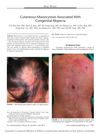
February 2012 in “The American Journal of Dermatopathology” A 3-year-old girl with skin mast cell buildup and congenital baldness improved with treatment, suggesting a rare link between these conditions.
February 2005 in “CRC Press eBooks” Hair color is due to active pigment cells in hair during growth.
 June 2025 in “Electronic Journal of General Medicine”
 Melatonin may help regrow hair, but more consistent research is needed.
June 1999 in “Connective tissue”  1 citations
,
January 2019 in “Skin Pharmacology and Physiology”
1 citations
,
January 2019 in “Skin Pharmacology and Physiology” Eplerenone, a mineralocorticoid receptor antagonist, was found to promote hair growth in human hair follicles.
10 citations
,
December 2008 in “Molecular Carcinogenesis” The PML protein helps prevent skin cancer in mice.
 62 citations
,
August 2014 in “BMC Endocrine Disorders”
62 citations
,
August 2014 in “BMC Endocrine Disorders” New findings explain how genetic changes, body clocks, and certain molecules affect tissue response to stress hormones.
 7 citations
,
July 2020 in “Pigment cell & melanoma research”
7 citations
,
July 2020 in “Pigment cell & melanoma research” RT1640 treatment reverses gray hair and promotes hair growth in mice.
Moles may stop growing due to cell cooperation, not just because of individual cell aging.
27 citations
,
August 2003 in “Anais Brasileiros de Dermatologia” Neuropeptides affect skin inflammation, repair, and hair growth, with potential for therapy.
September 2025 in “Figshare” Alopecia areata involves complex immune responses, suggesting broader treatments could help.
 36 citations
,
September 1999 in “Toxicologic pathology”
36 citations
,
September 1999 in “Toxicologic pathology” Stronger corticosteroids cause more skin damage in hairless dogs, similar to effects in humans.