
Hair follicle stem cells are crucial for touch sensation and proper nerve structure in mice.
75 citations
,
January 1980 in “Journal of Investigative Dermatology”  24 citations
,
April 2012 in “Developmental Biology”
24 citations
,
April 2012 in “Developmental Biology” Dermal papillae cells, important for hair growth, come from multiple cell lines and can be formed by skin cells, regardless of their origin or hair cycle phase. These cells rarely divide, but their ability to shape tissue may contribute to their efficiency in inducing hair growth.
48 citations
,
July 1993 in “Archives of Dermatological Research” Merkel cells are abundant in facial vellus hair follicles, especially during the anagen phase.
November 2024 in “Genomics” Melatonin boosts hair growth in cashmere goats by helping certain cells multiply.
46 citations
,
April 2005 in “Melanoma Research” 35 citations
,
May 2006 in “Journal of Investigative Dermatology” Monilethrix involves multiple genes affecting hair structure, including DSG4 mutations.
161 citations
,
June 1994 in “The journal of investigative dermatology/Journal of investigative dermatology” Hair stops producing melanin as it transitions from the growth phase to the resting phase.
July 2025 in “Journal of Investigative Dermatology” Monocyte-derived dendritic cells play a key role in UVB-induced skin sensitivity and inflammation.
90 citations
,
August 2004 in “Physiological Genomics” Dermal papilla cells help skin stem cells grow into hair.
May 2019 in “CINECA IRIS Institutial Research Information System (University of Genoa)” MITF+ melanoma patients are more likely to have multiple melanomas and unique skin patterns.
9 citations
,
April 2010 in “The Journal of Dermatology” Nestin helps identify certain melanoma cells in nodular melanoma.
9 citations
,
December 1991 in “Annals of the New York Academy of Sciences” July 2025 in “Journal of Investigative Dermatology” Wnt and SHH pathways help form hair follicles by coordinating cell processes.
24 citations
,
January 1998 in “Dermatology” Merkel cell increase is specific to certain skin diseases, not general skin growth.
1 citations
,
January 2013 in “Journal of clinical & experimental dermatology research” Melatonin may help whisker growth in mice.
January 2000 in “Neuroscience Research”  109 citations
,
October 2007 in “Journal of pineal research”
109 citations
,
October 2007 in “Journal of pineal research” Melatonin helps regulate hair growth and protects the hair follicle from stress.
 2 citations
,
August 2013 in “Journal of Investigative Dermatology”
2 citations
,
August 2013 in “Journal of Investigative Dermatology” Nuclear shape and chromatin changes affect gene expression in skin cell differentiation.
 131 citations
,
July 2009 in “Experimental Dermatology”
131 citations
,
July 2009 in “Experimental Dermatology” The document concludes that specific cells are essential for hair growth and more research is needed to understand how to maintain their hair-inducing properties.
 April 2023 in “Australasian Journal of Dermatology”
 Lentiginous melanoma is most common on the face, especially the nose, cheek, and pre-auricular areas, with men more likely to have it on the scalp, ears, upper back, and trapezius, and women on the cheek and anterior arm. Sun damage is a key factor in its formation.
421 citations
,
September 2003 in “Development” Stem cell behavior varies with stimuli, and lineage changes can happen without affecting stem cell division.
 2 citations
,
June 2012 in “Journal of Dermatological Science”
2 citations
,
June 2012 in “Journal of Dermatological Science” The gene HDC is important for the development of hair follicles in newborn mice.
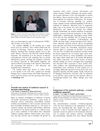 June 2008 in “Experimental dermatology”
 Melatonin protects skin and hair from damage and stress by acting as an antioxidant and influencing cell growth.
 11 citations
,
January 2012 in “Journal of cell science”
11 citations
,
January 2012 in “Journal of cell science” Rac1 is essential for proper hair structure and color.
July 2017 in “D-Scholarship@Pitt (University of Pittsburgh)” Notch signaling stops Merkel cell development, and hair follicles help maintain them after skin injury.
13 citations
,
December 1983 in “Canadian journal of zoology” Heterotypic cell contacts likely help hair matrix cells differentiate during mouse hair follicle development.
 122 citations
,
July 2005 in “The FASEB journal”
122 citations
,
July 2005 in “The FASEB journal” Hair follicles produce and respond to melatonin, affecting hair growth and sensitivity to estrogen.
April 2017 in “Journal of Dermatological Science” Asymmetric hair follicle differentiation causes the unique shape of kinky hair.
46 citations
,
August 2012 in “Experimental Dermatology” Engineered skin can grow chimeric hair follicles only with mouse dermal papilla cells.