 162 citations
,
August 2002 in “Survey of Ophthalmology”
162 citations
,
August 2002 in “Survey of Ophthalmology” Latanoprost can make eyelashes longer, thicker, and darker.
 119 citations
,
March 2020 in “Frontiers in Bioengineering and Biotechnology”
119 citations
,
March 2020 in “Frontiers in Bioengineering and Biotechnology” Asia has made significant progress in tissue engineering and regenerative medicine, but wider clinical use requires more development.
 112 citations
,
May 2019 in “Pharmacological Research”
112 citations
,
May 2019 in “Pharmacological Research” Lignans and neolignans from plants may help protect against various health issues, including cancer and heart disease.
 111 citations
,
March 2012 in “Expert Opinion on Drug Delivery”
111 citations
,
March 2012 in “Expert Opinion on Drug Delivery” Liposomes could improve how skin care products work but are costly and not very stable.
 45 citations
,
July 2009 in “Journal of Investigative Dermatology”
45 citations
,
July 2009 in “Journal of Investigative Dermatology” The S100A4 protein is more common in psoriatic skin and could be a target for treating psoriasis.
 27 citations
,
December 2016 in “Dermatology and Therapy”
27 citations
,
December 2016 in “Dermatology and Therapy” Certain skin conditions can indicate insulin resistance and should prompt lifestyle changes and medical treatment to manage underlying health issues.
 19 citations
,
October 2011 in “Clinics in Dermatology”
19 citations
,
October 2011 in “Clinics in Dermatology” New chemotherapy drugs cause skin side effects, but treatments like minocycline and tetracycline can help reduce them.
 19 citations
,
October 2008 in “Journal der Deutschen Dermatologischen Gesellschaft”
19 citations
,
October 2008 in “Journal der Deutschen Dermatologischen Gesellschaft” Anti-cancer treatments can cause reversible hair loss, skin sensitivity, pigmentation changes, nail damage, and skin reactions, with a need for more research on managing these side effects.
 17 citations
,
January 2014 in “Stem Cells Translational Medicine”
17 citations
,
January 2014 in “Stem Cells Translational Medicine” Canine epidermal neural crest stem cells could be a promising treatment for spinal cord injuries in dogs.
 16 citations
,
April 2016 in “PLoS ONE”
16 citations
,
April 2016 in “PLoS ONE” Negative pressure treatment improved skin thickness, blood vessel growth, and hair growth.
 11 citations
,
January 2017 in “Evidence-based Complementary and Alternative Medicine”
11 citations
,
January 2017 in “Evidence-based Complementary and Alternative Medicine” DA-5512 effectively improves hair growth and health, performing better than minoxidil.
 7 citations
,
November 2000 in “Clinics in Dermatology”
7 citations
,
November 2000 in “Clinics in Dermatology” Most hair loss in children is caused by a few common conditions and is easy to diagnose, but rare types require careful evaluation.
 5 citations
,
October 2018 in “American Journal of Clinical Dermatology”
5 citations
,
October 2018 in “American Journal of Clinical Dermatology” Skin problems are common after stem cell transplants, and early treatment by dermatologists can improve patient outcomes.
 5 citations
,
January 2017 in “Molecular Medicine Reports”
5 citations
,
January 2017 in “Molecular Medicine Reports” Human hair follicle cells can be turned into neural stem cell-like cells, which might help treat brain diseases.
 5 citations
,
November 2008 in “Advances in Dermatology”
5 citations
,
November 2008 in “Advances in Dermatology” The review highlights the importance of stem cells in hair health and suggests new treatment strategies for hair loss conditions.
 4 citations
,
March 2022 in “Cureus”
4 citations
,
March 2022 in “Cureus” Minced skin grafts speed up healing and improve scar quality at donor sites.
 3 citations
,
August 2014 in “Cellular reprogramming”
3 citations
,
August 2014 in “Cellular reprogramming” Hair follicle stem cells need all reprogramming factors to become pluripotent.
 2 citations
,
November 2019 in “Cancer reports”
2 citations
,
November 2019 in “Cancer reports” The Wnt signaling pathway is not a major factor in the development of keratoacanthoma, a type of skin tumor.
 2 citations
,
February 2009 in “Journal of the American Academy of Dermatology”
2 citations
,
February 2009 in “Journal of the American Academy of Dermatology” Many research paper titles in dermatology journals lack scientific precision.
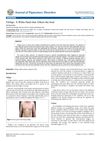 2 citations
,
January 2017 in “Journal of Pigmentary Disorders”
2 citations
,
January 2017 in “Journal of Pigmentary Disorders” Vitiligo causes white skin patches and can lead to psychological stress.
 2 citations
,
December 2011 in “Annales de Dermatologie et de Vénéréologie”
2 citations
,
December 2011 in “Annales de Dermatologie et de Vénéréologie” 2011 dermatological research found new skin aging markers, hair loss causes, skin defense mechanisms, and potential for new treatments.
 2 citations
,
December 2007 in “Expert Review of Dermatology”
2 citations
,
December 2007 in “Expert Review of Dermatology” The document concludes that early diagnosis and treatment are key for pediatric hair loss disorders, and addressing the emotional effects on children is important.
 1 citations
,
August 2018 in “Journal of Investigative Dermatology”
1 citations
,
August 2018 in “Journal of Investigative Dermatology” Muse cells keep their special features and can become different cell types even after being frozen and thawed three times.
 1 citations
,
July 2018 in “Elsevier eBooks”
1 citations
,
July 2018 in “Elsevier eBooks” Triple horizontal scalp biopsies are 98% accurate in diagnosing hair loss, better than single biopsies.
 January 2018 in “Online Publication Service of Würzburg University (Würzburg University)”
 EpiLife® media and younger donor age improve artificial skin model quality.
 July 2016 in “American Journal of Dermatopathology”
 The meeting showcased rare skin disease cases, highlighting the need for accurate diagnosis and treatment.
 January 2026 in “International Journal of All Research Education & Scientific Methods”
 Alopecia is caused by various factors, and new treatments like gene editing and regenerative medicine offer hope for personalized hair regrowth solutions.
Stem cell therapy shows promise for treating hair loss in androgenetic alopecia.
 January 2024 in “PloS one”
 Rat hair-follicle stem cells can become heart cells with specific supplements.
 September 2018 in “Journal of Investigative Dermatology”
 Non-white organ transplant patients have worse skin cancer outcomes due to later diagnosis and treatment.