 13 citations
,
April 2022 in “Frontiers in oncology”
13 citations
,
April 2022 in “Frontiers in oncology” Melanoma development can be linked to the breakdown of skin's melanin-producing units.
9 citations
,
July 2012 in “Dermatitis” Hair dye with para-phenylenediamine can cause skin depigmentation.

Melanocytes can regenerate around hair follicles in bullous pemphigoid, especially in patients with darker skin.
 June 2023 in “JAAD Case Reports”
 A man had a rare skin cancer that looked like a bald spot.
 2 citations
,
January 2002
2 citations
,
January 2002 Melanin and melanocytes contribute to the brown pigmentation in stasis dermatitis.
 84 citations
,
April 2005 in “Dermatologic Clinics”
84 citations
,
April 2005 in “Dermatologic Clinics” Treatments for melanin disorders exist, but more effective options needed.
June 2025 in “British Journal of Dermatology” Melanocytic matricoma can look like skin cancer but is usually harmless; surgery and follow-up are advised.
 January 2016 in “Experimental Dermatology”
 New findings suggest potential treatments for melanoma, hyperpigmentation, hair defects, and multiple sclerosis, and show skin microbiome changes don't cause atopic dermatitis.
20 citations
,
November 2004 in “Archives of Pathology & Laboratory Medicine” A rare benign skin growth called melanocytic matricoma was identified in a 69-year-old man.
 6 citations
,
November 2011 in “Journal of Dermatological Science”
6 citations
,
November 2011 in “Journal of Dermatological Science” A new gene mutation may allow some piebaldism patients to regain skin color in white patches.
 April 2018 in “Journal of Investigative Dermatology”
 The research found that a specific skin cell type not only triggers hair growth but also controls hair color, and that aging can lead to hair loss and color changes.
April 2024 in “International journal of molecular sciences” Dermal factors are crucial in regulating melanin production in skin.
 1 citations
,
January 2015 in “Journal of Pigmentary Disorders”
1 citations
,
January 2015 in “Journal of Pigmentary Disorders” Melasma is a skin condition linked to female hormones, genetics, UV exposure, and certain medications, but not to pituitary, adrenal, or thyroid diseases.
2 citations
,
October 2016 in “Nutrition in clinical practice” Vitamin B12 deficiency can cause facial dark spots that go away with treatment.
 11 citations
,
April 2013 in “SpringerPlus”
11 citations
,
April 2013 in “SpringerPlus” Human skin's melanocytes respond to light by changing shape, producing pigments and hormones, which may affect sleep patterns.
18 citations
,
March 2015 in “Journal of Investigative Dermatology” Silencing certain circadian clock genes increases skin pigmentation.
 24 citations
,
September 2008 in “Clinical and experimental dermatology”
24 citations
,
September 2008 in “Clinical and experimental dermatology” Repigmentation in vitiligo may come from melanocyte stem cells in the skin.
25 citations
,
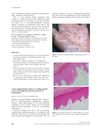
May 1995 in “Journal of the American Academy of Dermatology” Erythromelanosis follicularis faciei can also affect women, though it's rare.
18 citations
,
April 1989 in “Archives of Dermatology” Iron deficiency can cause hair color changes, which can be reversed with iron supplements.
 January 2007 in “Journal of the American Academy of Dermatology”
 A 73-year-old man's grey-white hair turned dark brown after eczema treatment.
303 citations
,
August 1971 in “The American Journal of Medicine” Melanocytes are destroyed by factors needed for melanin production, causing vitiligo and gray hair.
 9 citations
,
September 2009 in “Journal of Cutaneous Medicine and Surgery”
9 citations
,
September 2009 in “Journal of Cutaneous Medicine and Surgery” UV light causes skin color loss in bald areas; wear a cap and use sunscreen.
4 citations
,
March 2020 in “JAAD Case Reports” Vitamin B12 deficiency can cause darkening of all nails.
September 2012 in “British Small Animal Veterinary Association eBooks” The document concludes that pigmentation disorders in animals involve complex interactions between melanocytes and keratinocytes.
 June 2021 in “Asian Journal of Medical Sciences”
 Vitamin B12 deficiency can cause reversible skin darkening.

Follicular atopic dermatitis in dark skin can look different, making diagnosis harder.
September 2025 in “Indian Dermatology Online Journal” Melatonin may help treat skin conditions and promote hair growth.
48 citations
,
March 1997 in “Seminars in Cutaneous Medicine and Surgery” Vitiligo causes white skin patches but can be treated in many ways.
 41 citations
,
December 2018 in “Experimental Dermatology”
41 citations
,
December 2018 in “Experimental Dermatology” Understanding how melanocyte stem cells work could lead to new treatments for hair graying and skin pigmentation disorders.
4 citations
,
April 2019 in “JAAD Case Reports” DPR can cause skin, hair, and nail issues, sometimes appearing later in life.