 April 2018 in “Journal of Investigative Dermatology”
 Macrophages are more involved in Lichen planopilaris than in Frontal fibrosing alopecia.
 September 2017 in “Clinical and Experimental Dermatology”
 The document summarized various dermatology studies and case reports.
April 2015 in “한국생물공학회 학술대회” Finasteride reduces melanin production in skin cells.
January 2015 in “DSpace@MIT (Massachusetts Institute of Technology)” PHGDH promotes cancer growth by aiding cell proliferation and tumor progression.
 March 2014 in “Pediatric Clinics of North America”
 The document discusses how to identify and manage common skin conditions in children.
 January 2014 in “Pathology”
 Non-scarring hair loss can be diagnosed with two 4mm punch biopsies, one cut vertically and the other transversely.
 January 2014 in “Pathology”
 RET mutation is important in familial medullary thyroid carcinoma, and BRAF mutation in papillary thyroid carcinoma is linked to more aggressive cancer and higher death rates.
 June 2010 in “Expert Review of Dermatology”
 Scientists found key proteins and genes that affect skin and hair health, and identified potential new treatments for hair loss, skin disorders, and wound healing.
January 2009 in “The Chinese Journal of Dermatovenereology” Higher doses of Tribulus terrestris extract increase MC-1R expression in mouse hair follicles.
 January 2009 in “Springer eBooks”
 The document concludes that managing skin conditions during pregnancy is important and requires specialized care.
January 2008 in “Projeto: revista mensal de arquitetura” Targeted cancer drugs can cause skin reactions, so dermatologists must manage these effects.
 August 2007 in “Journal of Investigative Dermatology”
 The meeting discussed vitamin D3's role in fighting tuberculosis, potential treatments for skin conditions like psoriasis, and hair follicle regeneration as a possible solution for hair loss.
 September 2005 in “Journal of Investigative Dermatology”
 Ferulic acid helps stabilize vitamins C and E for better skin protection from the sun, certain compounds may promote hair growth, atopic dermatitis patients have lower skin defense molecules, older men are more likely to get a type of skin cancer, and a substance called relaxin may prevent age-related skin thickening.
 April 2005 in “Clinics in Plastic Surgery”
 Various surgical techniques effectively treat skin diseases and cosmetic issues.
 July 2004 in “British Journal of Dermatology”
 The document concludes that accurate diagnosis and treatment are crucial in dermatology, and it presents various findings on skin conditions and treatments.
 August 2001 in “Journal of Cutaneous Medicine and Surgery”
 Prednisone has risks for lupus patients, isotretinoin is safe for mental health, transplant patients risk skin cancer, and various treatments are effective for specific skin conditions.
 November 1999 in “Australasian Journal of Dermatology”
 The document concludes that there is a need for more research and regulation in dermatology, covering topics like latex allergy in children, the use of botulinum toxin, and treatments for skin conditions.

Insect eggshells form through specialized cell processes and gene regulation, with potential for pest control innovations.
 234 citations
,
September 2004 in “Clinical cancer research”
234 citations
,
September 2004 in “Clinical cancer research” BAY 43-9006 helps control kidney cancer growth but doesn't significantly increase overall survival.
 126 citations
,
January 1987 in “Journal of The American Academy of Dermatology”
126 citations
,
January 1987 in “Journal of The American Academy of Dermatology” The document concludes that understanding hair structure is key to diagnosing hair abnormalities and recommends gentle hair care for management.
 41 citations
,
February 1970 in “Archives of Dermatology”
41 citations
,
February 1970 in “Archives of Dermatology” Oral contraceptives can cause skin issues like dark patches, acne, yeast infections, sensitivity to light, spider veins, skin rashes, and hair loss.
 1 citations
,
January 2016 in “Elsevier eBooks”
1 citations
,
January 2016 in “Elsevier eBooks” The document concludes that identifying the specific cells where skin cancers begin is important for creating better prevention, detection, and treatment methods.
 1 citations
,
January 2015 in “Side effects of drugs annual”
1 citations
,
January 2015 in “Side effects of drugs annual” The document concludes that various dermatological treatments and drugs can cause skin reactions and side effects.
 May 2021 in “Austin journal of pharmacology and therapeutics”
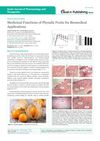
 Physalis fruits have medicinal properties that can help treat various diseases and have anti-inflammatory, antioxidant, antibacterial, and antitumor effects.
46 citations
,
April 2005 in “Melanoma Research”  June 2010 in “Melanoma research”
 LDE225 is a promising skin-applied treatment for basal cell carcinoma with good skin penetration and effectiveness.
 240 citations
,
April 2011 in “Pigment Cell & Melanoma Research”
240 citations
,
April 2011 in “Pigment Cell & Melanoma Research” Melanocyte stem cells in hair follicles are key for hair color and could help treat greying and pigment disorders.
144 citations
,
December 2017 in “Pigment cell & melanoma research” Melasma is now considered a skin aging disorder caused by sun exposure in people with a genetic tendency, which impacts treatment and prevention approaches.
140 citations
,
August 2010 in “Pigment Cell & Melanoma Research” We know a lot about mouse hair color, but not much about human hair color differences.
 56 citations
,
November 2010 in “Pigment Cell & Melanoma Research”
56 citations
,
November 2010 in “Pigment Cell & Melanoma Research” Brain hormones significantly affect hair color and could potentially be used to prevent or reverse grey hair.