20 citations
,
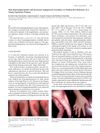
January 2002 in “Laboratory Animals” Mutations in the hairless gene cause hair loss and skin cysts in rhesus macaques.
 16 citations
,
January 2008 in “Acta dermato-venereologica”
16 citations
,
January 2008 in “Acta dermato-venereologica” Vitamin B12 deficiency can cause skin darkening and increased blood vessels, but treatment can improve symptoms.
51 citations
,
May 2008 in “Mycoses” Terbinafine HCl nail solutions with DDAIP HCl are more effective than current treatments for nail infections.
October 2019 in “Postgraduate Medical Journal” Pellagrous dermatitis, caused by niacin deficiency, can be cured with vitamin supplements.
 21 citations
,
April 2014 in “PLoS ONE”
21 citations
,
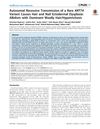
April 2014 in “PLoS ONE” A rare gene variant causes hair and nail issues in a family.
2 citations
,
May 2020 in “The journal of investigative dermatology/Journal of investigative dermatology” A TP63 gene mutation causes significant hair loss and mild skin, nail, and tooth abnormalities.
 January 2020 in “Medpulse International Journal of General Medicine/Medpulse International Journal of Medicine”
 Premature graying of hair is often linked with other health issues, but treatment with biotin, zinc, and calcium pantothenate is not very effective.
4 citations
,
January 2011 in “European journal of dermatology/EJD. European journal of dermatology” A boy had a rare scalp condition with thickened skin and different-colored hair.
 30 citations
,
December 2001 in “Experimental dermatology”
30 citations
,
December 2001 in “Experimental dermatology” Gonadal hormones significantly affect the severity of alopecia areata in mice.
 10 citations
,
August 2012 in “Current Problems in Pediatric and Adolescent Health Care”
10 citations
,
August 2012 in “Current Problems in Pediatric and Adolescent Health Care” Hair changes can indicate systemic diseases or medication effects.
 9 citations
,
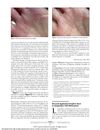
May 2013 in “JAMA Dermatology”
9 citations
,
May 2013 in “JAMA Dermatology” Sunlight exposure improved a patient's skin condition, and there may be a link between a certain disease and skin growths; a leukemia treatment caused changes in hair color and growth.
5 citations
,
February 2022 in “Molecular genetics & genomic medicine” New gene variants linked to a rare inherited hair loss disorder were found in three Chinese families.
15 citations
,
April 1970 in “PubMed” Netherton's syndrome may have a familial link and doesn't always include atopy.
3 citations
,
November 2010 in “The Journal of Dermatology” A giant blue nevus on the scalp can cause hair loss and may damage underlying structures.
 January 2026 in “International Journal of Dermatology Venereology and Leprosy Sciences”
 Metformin may improve acanthosis nigricans by reducing insulin resistance.
 2 citations
,
January 2025 in “Dermatology Practical & Conceptual”
2 citations
,
January 2025 in “Dermatology Practical & Conceptual” Nailfold dermoscopy is a simple, cheap way to check blood vessel changes in COVID-19 patients.
2 citations
,
February 1945 in “Archives of Dermatology and Syphilology” Alopecia in the woman was likely caused by vitamin A deficiency, not a fungal infection.
Adenophora Radix extract can promote hair growth and increase melanin in mice.
130 citations
,
December 1998 in “The journal of investigative dermatology/Journal of investigative dermatology” Hair follicle melanocytes die during hair regression.
January 2011 in “The Chinese Journal of Dermatovenereology” The woman's skin condition improved with specific oral and topical treatments.
25 citations
,
April 2008 in “Clinical and experimental dermatology” EFFC might be common but underreported.
10 citations
,
May 1994 in “Journal of Investigative Dermatology” 4 citations
,
November 2020 in “Case reports in dermatology” A rare skin condition causes red, dark, bumpy facial lesions.
73 citations
,
January 2004 in “Journal of the American Academy of Dermatology” Immunocompromised patients can develop skin and hair issues due to a virus.
 1 citations
,
January 2015 in “Journal of Pigmentary Disorders”
1 citations
,
January 2015 in “Journal of Pigmentary Disorders” Melasma is a skin condition linked to female hormones, genetics, UV exposure, and certain medications, but not to pituitary, adrenal, or thyroid diseases.
 February 2026 in “Indian Journal of Dermatology”
 Upadacitinib may effectively treat twenty-nail dystrophy without causing pain.
 48 citations
,
September 2009 in “Dermato-endocrinology”
48 citations
,
September 2009 in “Dermato-endocrinology” Anorexia nervosa can cause skin problems, which may help with early diagnosis and usually improve with treatment.
January 2016 in “UNESP Institutional Repository (São Paulo State University)” Melasma results from changes in the skin's pigment and structure, not just pigment cell growth.
1 citations
,
March 2006 in “Journal of Cosmetic Dermatology” The woman's forehead lesion was caused by ointment use and resolved with treatment.
 6 citations
,
September 2017 in “Multiple Sclerosis and Related Disorders”
6 citations
,
September 2017 in “Multiple Sclerosis and Related Disorders” Nail loss may be a side effect of the MS drug teriflunomide.