 January 2022 in “Indian journal of dermatopathology and diagnostic dermatology”
 Women with diffuse hair loss often have lower iron and vitamin D levels, but their thyroid function is typically normal.
8 citations
,
January 2018 in “Journal of Analytical Methods in Chemistry” A new method accurately measures a drug in skin for cancer therapy research.
June 2025 in “JCEM Case Reports” False high testosterone levels were corrected using a more accurate test.
 26 citations
,
June 2020 in “Polymers”
26 citations
,
June 2020 in “Polymers” Microneedle made of iron oxide and PVA helps hair regrowth in alopecia treatment.
 January 2024 in “Archives of Endocrinology and Metabolism”
 A new gene mutation causes insulin resistance in a girl and her mother.
 6 citations
,
July 2015 in “European Journal of Dermatology”
6 citations
,
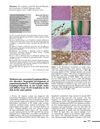
July 2015 in “European Journal of Dermatology” Stopping methotrexate might reverse lymphoma-like conditions in some patients.
 January 2022 in “Social Science Research Network”
 A special coating was made for artificial hair fibers that can slowly release silver ions for up to 56 days, providing long-term protection against bacteria and inflammation.
January 1999 in “Journal of Investigative Dermatology” 5 citations
,
October 2021 in “American Journal of Medical Genetics Part A” A new genetic variant causes BRESHECK syndrome by disrupting cell growth and stress response.
 December 2024 in “Antioxidants”
 Luteolin can reduce hair graying in mice, with external treatment being more effective.
64 citations
,
March 2021 in “Anaesthesia” Iron deficiency in women is common, often overlooked, and needs better recognition and treatment.
43 citations
,
December 2012 in “The Journal of Steroid Biochemistry and Molecular Biology” Progesterone protects neurons from damage by converting to allopregnanolone, which works through GABAA receptors.
Raising serum ferritin levels can improve symptoms like fatigue and hair loss, even if hemoglobin levels are normal.
 March 2024 in “International journal of molecular sciences”
 Zinc, copper, and iron are important for skin health and may help diagnose skin diseases.
2 citations
,
July 2022 in “bioRxiv (Cold Spring Harbor Laboratory)” Certain gut bacteria can lower androgen levels in male mice.
2 citations
,
July 1994 in “Journal of Dermatological Science” Grafted human scalp samples on mice can produce human hair, useful for studying hair genetics.
September 2019 in “The journal of investigative dermatology/Journal of investigative dermatology” A new mutation in the STING protein causes a disease with lupus-like symptoms and responds well to a specific inhibitor treatment.
128 citations
,
December 2006 in “Journal of Biological Chemistry” Altering SSAT affects fat metabolism and body fat in mice.
2 citations
,
June 2023 in “Clinical and Experimental Neuroimmunology” Thymoma may link myasthenia gravis, nail dystrophy, and alopecia areata.
 7 citations
,
February 2021 in “Legal Medicine”
7 citations
,
February 2021 in “Legal Medicine” Hair analysis showed very high metformin levels in two fatal overdose cases, suggesting it's useful in forensics but sweat may affect results.
24 citations
,
September 2014 in “PloS one” Thyroid hormone receptors are essential for hair growth and wound healing.
 6 citations
,
November 2008 in “Journal of Dermatological Science”
6 citations
,
November 2008 in “Journal of Dermatological Science” Certain proteins involved in DNA modification may affect the genetic changes in systemic lupus erythematosus and could indicate the disease's activity.
CCC1 is essential for pH balance and normal cell function in plants.
Serum iron levels should be checked, not just hemoglobin, for chronic diffuse hair loss in women.
3 citations
,
June 2025 in “Journal of Cellular and Molecular Medicine” CuATSM speeds up wound healing and reduces scarring.
 3 citations
,
February 2005 in “Journal of Quantitative Spectroscopy & Radiative Transfer/Journal of quantitative spectroscopy & radiative transfer”
3 citations
,
February 2005 in “Journal of Quantitative Spectroscopy & Radiative Transfer/Journal of quantitative spectroscopy & radiative transfer” Iron and zinc levels in hair are not linked to hair loss from chemotherapy.
Green tea compound EGCG could potentially treat colorectal cancer by removing iron and causing stress in cancer cells leading to their death.
CCC1 is essential for ion balance and proper plant cell function.
73 citations
,
December 2015 in “Nature Genetics” Mutations in TBX3 cause horses to have more even hair color instead of Dun camouflage.
 June 2021 in “Asian Journal of Medical Sciences”
 Vitamin B12 deficiency can cause reversible skin darkening.