217 citations
,
February 2009 in “The FASEB Journal” Gray hair is caused by hydrogen peroxide buildup, which damages hair color repair.
 June 2023 in “Benha Journal of Applied Sciences”
 People with chronic hair shedding have lower antioxidant levels in their blood compared to healthy individuals.
6 citations
,
December 2022 in “Anais Brasileiros de Dermatologia” 1 citations
,
January 2018 in “Molecular and integrative toxicology” Getting the right amount of selenium is important for health; too little can cause disease, and too much can lead to toxicity.
 37 citations
,
October 2006 in “Steroids”
37 citations
,
October 2006 in “Steroids” New sulfur-containing steroid analogs show promise for more targeted medical treatments.
9 citations
,
October 1947 in “The Lancet” 1 citations
,
November 1947 in “The Lancet” 1 citations
,
June 2009 in “Integrated Environmental Assessment and Management” Selenium is essential in small amounts but toxic in excess, requiring careful management.
7 citations
,
March 2004 in “Journal of the American Academy of Dermatology” Tiger tail banding and hair abnormalities are reliable indicators for diagnosing trichothiodystrophy.
August 2025 in “Nanomaterials” Tea polyphenol–zinc helps protect the liver and intestines from oxidative stress.
16 citations
,
September 1999 in “Journal of Investigative Dermatology Symposium Proceedings”  78 citations
,
December 2011 in “Clinical toxicology”
78 citations
,
December 2011 in “Clinical toxicology” Excessive selenium from a supplement caused toxicity but patients recovered with care.
1 citations
,
June 2016 in “DOAJ (DOAJ: Directory of Open Access Journals)” The Enterobacter isolate AMS1-S8 is effective for removing selenium from wastewater.
8 citations
,
November 2023 in “Frontiers in Bioengineering and Biotechnology” Combining metals and herbs in microneedles can improve wound healing.
October 2014 in “Journal of Nutrition & Food Sciences” Higher copper and lower chromium and selenium in hair are linked to insulin resistance in visceral-obese adults.
 October 2022 in “The American journal of gastroenterology”
 Thymoma-associated multiorgan autoimmunity can cause liver damage and affects multiple organs, with limited treatment options and a generally poor prognosis.
 37 citations
,
September 2003 in “Journal of Medicinal Chemistry”
37 citations
,
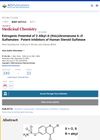
September 2003 in “Journal of Medicinal Chemistry” A substance called Compound 2g can strongly block STS (a hormone-related enzyme) without affecting estrogen levels, making it potentially good for treating breast cancer.
2 citations
,
January 2004 in “AIP conference proceedings” Hair analysis can help screen for serious diseases like cancer and osteoporosis.
62 citations
,
December 1941 in “Experimental biology and medicine” Eating phenylthiocarbamide made all the rats' hair go gray, but some returned to their original color after stopping.
144 citations
,
May 1990 in “Journal of the American Academy of Dermatology” 1 citations
,
January 1985 in “IRIS UNIMORE (University of Modena and Reggio Emilia)” Copper deficiency lowers blood and liver copper levels in rats, but not in hair or bones.
10 citations
,
January 1980 in “Ultrastructural pathology” Green hair has high copper levels due to contaminated water and damaged hair cuticles.
1 citations
,
April 2022 in “The Journal of Urology” Both penicillamine and tiopronin have significant side effects, but trying the alternative drug can be beneficial if the first is not tolerated.
13 citations
,
July 2012 in “International Journal of Trichology” TTD symptoms vary widely, requiring thorough evaluations.
 January 2013 in “Food science and technology research”
 Green tea extract may increase copper levels in mouse hair without affecting liver copper.
11 citations
,
February 2002 in “European Journal of Clinical Investigation” The new platinum complexes effectively increased survival in rats with tumors, despite some reversible side effects.
 103 citations
,
January 2009 in “Carbon”
103 citations
,
January 2009 in “Carbon” Pure carbon nanotubes are safe for mice, but impure ones cause immune issues and hair loss.
 January 2023 in “Indian dermatology online journal”
 A child with trichothiodystrophy also had autoimmune thyroiditis and anemia, which is a new finding.