 96 citations
,
October 2000 in “The FASEB Journal”
96 citations
,
October 2000 in “The FASEB Journal” The p75 neurotrophin receptor is important for hair follicle regression by controlling cell death.
39 citations
,
January 2020 in “Frontiers in Genetics” PDGFC gene may help select goats with desirable curly wool traits.
35 citations
,
December 2014 in “Lasers in surgery and medicine” Red light promotes hair growth by directly stimulating hair cells and improving cell communication.
75 citations
,
March 1998 in “Journal of Investigative Dermatology” The transgene likely activated an oncogene or interrupted a tumor suppressor gene, causing melanoma in mice.
94 citations
,
July 2003 in “Journal of biological chemistry/The Journal of biological chemistry” EGF controls hair growth by regulating hair follicles' growth phases.
17 citations
,
April 1990 in “Environmental Research” Methylmercury accumulates in mouse hair during growth, then decreases when growth stops.
 25 citations
,
June 2022 in “Developmental cell”
25 citations
,
June 2022 in “Developmental cell” Overactivating Hedgehog signaling makes hair follicle cells in mice grow hair faster and create more follicles.
Hedgehog signaling can create new hair follicles but may also cause tumors.
 June 2023 in “Research Square (Research Square)”
 Autophagy, a cell process, helps activate hair growth stem cells and promote hair growth by controlling glycolysis, a type of cell metabolism.
 11 citations
,
September 2014 in “International Journal of Molecular Sciences”
11 citations
,
September 2014 in “International Journal of Molecular Sciences” Mycophenolate helps reverse hair loss effects caused by IFN-γ by activating a key hair growth pathway.
 11 citations
,
January 2008 in “International journal of environment and health”
11 citations
,
January 2008 in “International journal of environment and health” Children are at risk of health issues from exposure to platinum group elements from car exhausts.
 18 citations
,
March 2016 in “Cosmetics”
18 citations
,
March 2016 in “Cosmetics” Telogen Effluvium is a condition causing excessive hair loss due to stress, illness, drugs, or hormonal changes, and can be treated with specific products or naturally resolves after 3-4 years.
 19 citations
,
November 1993 in “Mammalian Genome”
19 citations
,
November 1993 in “Mammalian Genome” A gene mutation in mice causes permanent hair loss and skin issues.
17 citations
,
June 1997 in “Baillière's clinical obstetrics and gynaecology” Scientists now better understand how human hair growth is controlled, including the roles of specific genes and proteins.
April 2012 in “Informa Healthcare eBooks” Telogen effluvium is a condition that causes temporary hair loss.
November 2025 in “Journal of Investigative Dermatology” Alpha-MSH affects mitochondrial function, and MC1R mutations may increase skin aging.
Loss of Dnmt3a and Dnmt3b leads to more aggressive skin tumors, but blocking PPAR-γ can reduce this effect.
January 2014 in “China Animal Husbandry & Veterinary Medicine” EGF, IGF-I, and IGF-IR genes are crucial for mink skin and hair growth.
July 2016 in “Cancer research” Mutant cells in hair follicles are influenced by their location and interactions with surrounding cells.
9 citations
,
October 1989 in “Australian Journal of Agricultural Research” Mouse epidermal growth factor temporarily stops wool growth and causes cell changes in Merino sheep.
 March 2025 in “Journal of Dermatological Treatment”
 Temporary hair shedding after minoxidil use may indicate effective treatment.
 64 citations
,
January 2015 in “BioMed Research International”
64 citations
,
January 2015 in “BioMed Research International” Certain growth factors can promote hair growth in mice by activating hair growth-related proteins.
8 citations
,
December 2003 in “Experimental Dermatology” Altering the keratin 17 gene in mice hair follicles caused temporary hair issues, but changes were minimal and short-lived.
505 citations
,
October 2011 in “Journal of clinical oncology” MK-2206 was safe and effectively blocked AKT signaling in cancer patients, warranting more trials.
12 citations
,
September 2024 in “Frontiers in Immunology” Mitochondrial genes help predict breast cancer outcomes and spread.
 April 2018 in “Journal of Investigative Dermatology”
 DHT, not testosterone, mainly affects hair growth and related conditions.
 17 citations
,
May 2011 in “Gene Therapy”
17 citations
,
May 2011 in “Gene Therapy” Using polyethylenimine-DNA to deliver the hTERT gene can stimulate hair growth and may be useful in treating hair loss, but there could be potential cancer risks.
9 citations
,
November 1980 in “Geburtshilfe und Frauenheilkunde” Fenoterol treatment causes increased hair growth due to higher metabolism in hair follicles, not hormones.
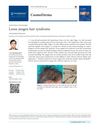 February 2023 in “Cosmoderma”
 Loose anagen hair syndrome causes easily shed hair but usually improves with time.