17 citations
,
April 1990 in “Environmental Research” Methylmercury accumulates in mouse hair during growth, then decreases when growth stops.
33 citations
,
November 2007 in “JAT. Journal of applied toxicology/Journal of applied toxicology” Human scalp hair on mice can effectively monitor mercury exposure.
25 citations
,
January 1992 in “International Journal of PIXE” Trace elements can impact health, causing issues like zinc deficiency, copper-related diseases, mercury and lead toxicity, and more.
27 citations
,
December 2006 in “Environmental Science & Technology” LA-ICP-MS can effectively track mercury exposure over time in hair.
 1 citations
,
December 2024 in “Bulletin of Osh State University”
1 citations
,
December 2024 in “Bulletin of Osh State University” Mercury can disrupt sex hormones and cause reproductive issues.
 April 2021 in “Journal of Advances in Environmental Health Research”
 Dental amalgam releases harmful mercury, posing health risks, and should be replaced with safer materials.
 1 citations
,
April 2021 in “Journal of Advances in Environmental Health Research”
1 citations
,
April 2021 in “Journal of Advances in Environmental Health Research” Dental amalgam releases harmful mercury, posing health risks, and should be replaced with safer materials.
February 2004 in “Frontiers in Ecology and the Environment” Eating too much fish can lead to mercury poisoning.
February 2004 in “Frontiers in Ecology and the Environment” Reducing fish consumption can lower mercury levels and improve related health symptoms.
 February 2024 in “Exposure and Health”
 Selenium supplements may reduce mercury levels in the hair of city dwellers in China.
27 citations
,
October 2018 in “Saudi Journal of Biological Sciences” Curcumin can protect against mercury's harmful effects on brain and behavior.
 72 citations
,
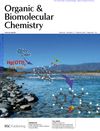
December 2009 in “Organic and Biomolecular Chemistry”
72 citations
,
December 2009 in “Organic and Biomolecular Chemistry” Mercuric triflate is an effective catalyst for various organic reactions, working well at room temperature with high yields.
 48 citations
,
March 2003 in “BJOG: An International Journal of Obstetrics and Gynaecology”
48 citations
,
March 2003 in “BJOG: An International Journal of Obstetrics and Gynaecology” Mothers and newborns with dental fillings had higher mercury in their hair, but getting fillings during pregnancy didn't raise mercury levels further.
 March 2003 in “BJOG: An International Journal of Obstetrics and Gynaecology”
 Mothers and newborns with dental fillings have higher mercury in their hair, but adding fillings during pregnancy doesn't raise mercury levels further.

Exposure to toxic elements like mercury and lead may be linked to autism, and a higher zinc to copper ratio might help protect against it.
 June 2001 in “Journal of The American Academy of Dermatology”
 The exam tested knowledge on various skin-related topics for CME credit.
 324 citations
,
July 2020 in “Applied Water Science”
324 citations
,
July 2020 in “Applied Water Science” Water near Abakaliki mines has high toxic metal levels, posing health risks.
 96 citations
,
September 2017 in “Analytica Chimica Acta”
96 citations
,
September 2017 in “Analytica Chimica Acta” Hair elemental analysis could be useful for health and exposure assessment but requires more standardization and research.
 84 citations
,
February 2013 in “Clinica chimica acta”
84 citations
,
February 2013 in “Clinica chimica acta” Hair mineral analysis might help diagnose diseases early, but standard methods are needed.
 58 citations
,
March 2013 in “Human Reproduction Update”
58 citations
,
March 2013 in “Human Reproduction Update” Products should be called 'sperm-safe' only after thorough, well-designed tests.
 18 citations
,
January 2008 in “Sen'i Gakkaishi”
18 citations
,
January 2008 in “Sen'i Gakkaishi” Thioglycolic acid and L-cysteine change hair structure differently during perms, affecting hair strength and curling efficiency.
 16 citations
,
April 2012 in “Journal of mammalogy”
16 citations
,
April 2012 in “Journal of mammalogy” Young female Australian fur seals are losing hair due to low tyrosine and zinc levels and high pollution exposure.
 7 citations
,
June 2017 in “Omics”
7 citations
,
June 2017 in “Omics” The study developed a method to analyze ancient hair proteins using very small samples.
 1 citations
,
December 2018 in “IntechOpen eBooks”
1 citations
,
December 2018 in “IntechOpen eBooks” Human hair shows promise for non-invasive medical testing, but more research is needed to standardize its use.
 1 citations
,
December 2011
1 citations
,
December 2011 Marine-derived ingredients show potential for hair health but need more human trials to confirm effectiveness.
 June 2026 in “International Journal on Science and Technology”
 Focus on improving healthspan with safe, evidence-based interventions, not just anti-aging claims.
 January 2026 in “Frontiers in Cellular Neuroscience”
 Neurosteroids like neuro-estrogen and neuro-androgen are crucial for brain function and can improve cognition and protect against aging-related decline.
 January 2025 in “American Journal of Medical and Clinical Research & Reviews”
 Cosmetics can contain harmful chemicals that may cause health issues.
Hair analysis can help identify specific minerals and amino acids linked to various diseases.
 February 2024 in “BioMetals”
 Heavy metals like arsenic, cadmium, and lead can increase cancer risk and worsen outcomes.